Vietnam’s economy is still expanding at a blistering pace, but the bigger story for investors is that the country now has to prove it can keep growing this fast without letting inflation and import dependence erode the payoff.
Vietnam Growth, Inflation, and Trade Deficit

That is the real tension in the fourth quarter: Hanoi wants another burst of growth from public investment, foreign direct investment and consumer spending, while price pressures, a widening trade deficit and a heavy reliance on foreign-owned exporters threaten to limit how much of that expansion stays inside the domestic economy.
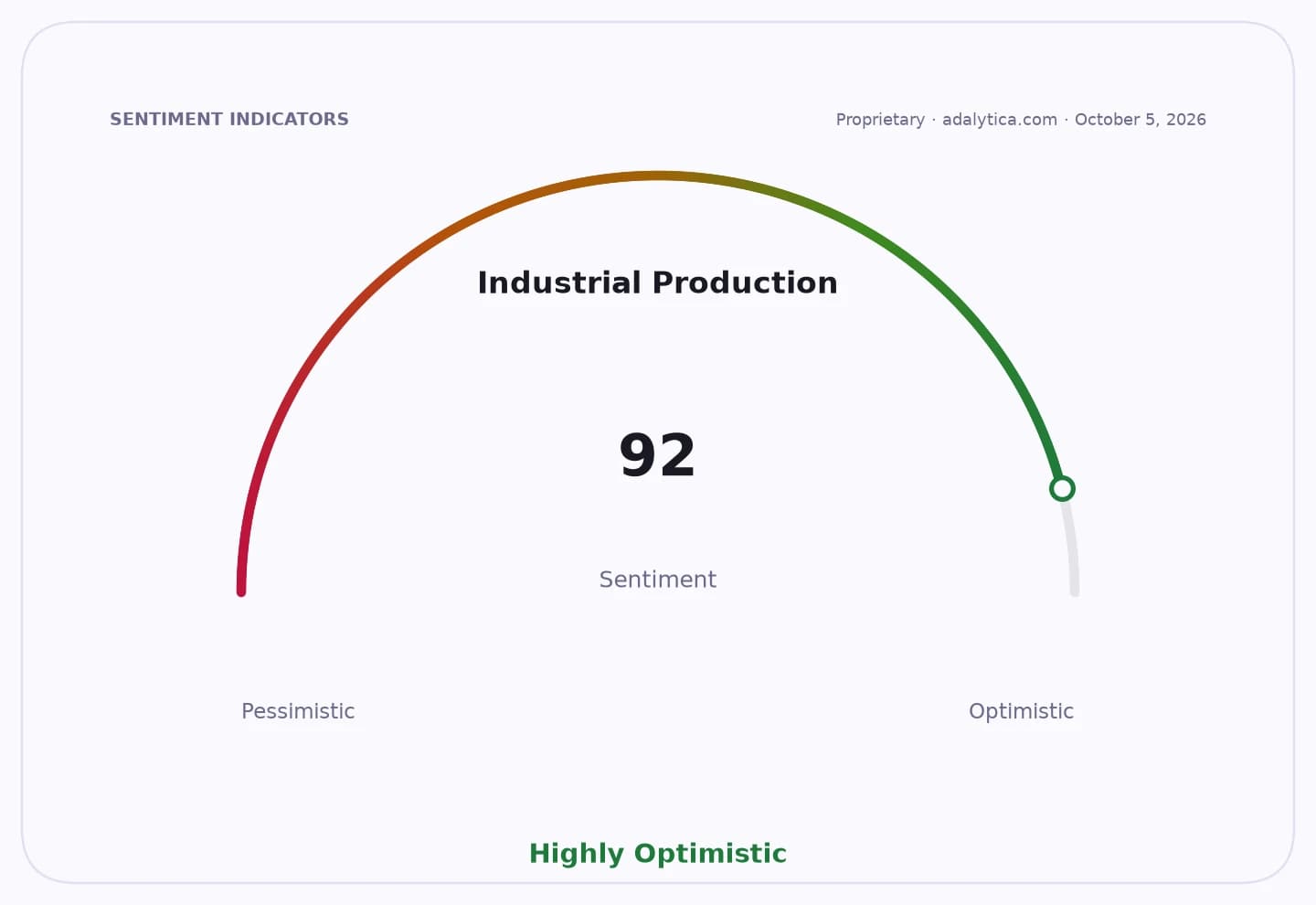
Sentiment IndicatorsⓘProprietary · adalytica.com · October 16, 2026
This is a snapshot — live sentiment, awareness and momentum for 130+ markets update continuously in the dashboard.Open AlphaPulse
Gross domestic product rose 9.01% in the first nine months of 2026, after a 9.95% jump in the third quarter, putting Vietnam within reach of its ambition to finish the year with growth of 10% or more. The investment engine is clearly running hot. Realized FDI reached $21.07 billion in the first nine months, up 12.1% year on year and the highest for the same period in five years, while public investment disbursement had reached 62.9% of the government’s plan by the end of September.
That matters because Vietnam’s growth story has become increasingly dependent on capex, infrastructure and manufacturing supply chains. If public works are executed well, they can unlock productivity gains, reduce logistics bottlenecks and crowd in private investment. If they are rushed or poorly targeted, they risk adding little to long-term output while still stoking prices. That is why economists are stressing not just faster disbursement, but better project selection and tighter oversight.
Domestic demand is also doing its part. Retail sales and consumer-service revenue rose 13.4% in the first nine months, or 7.8% excluding price effects, underscoring a large and growing consumer market. For investors, that is a reminder that Vietnam is not only a manufacturing platform for multinationals; it is also a 100-million-plus consumer market where e-commerce and rising incomes can create second-order winners in logistics, payments, retail and discretionary spending.
But the inflation problem is becoming harder to ignore. Consumer prices were up 4.52% in the first nine months, with September CPI rising 5.08% from a year earlier, while producer input costs climbed 5.12%. That is enough to squeeze margins for local companies and force the central bank to stay cautious, especially if businesses start passing higher costs on to households already facing pressure on real purchasing power.
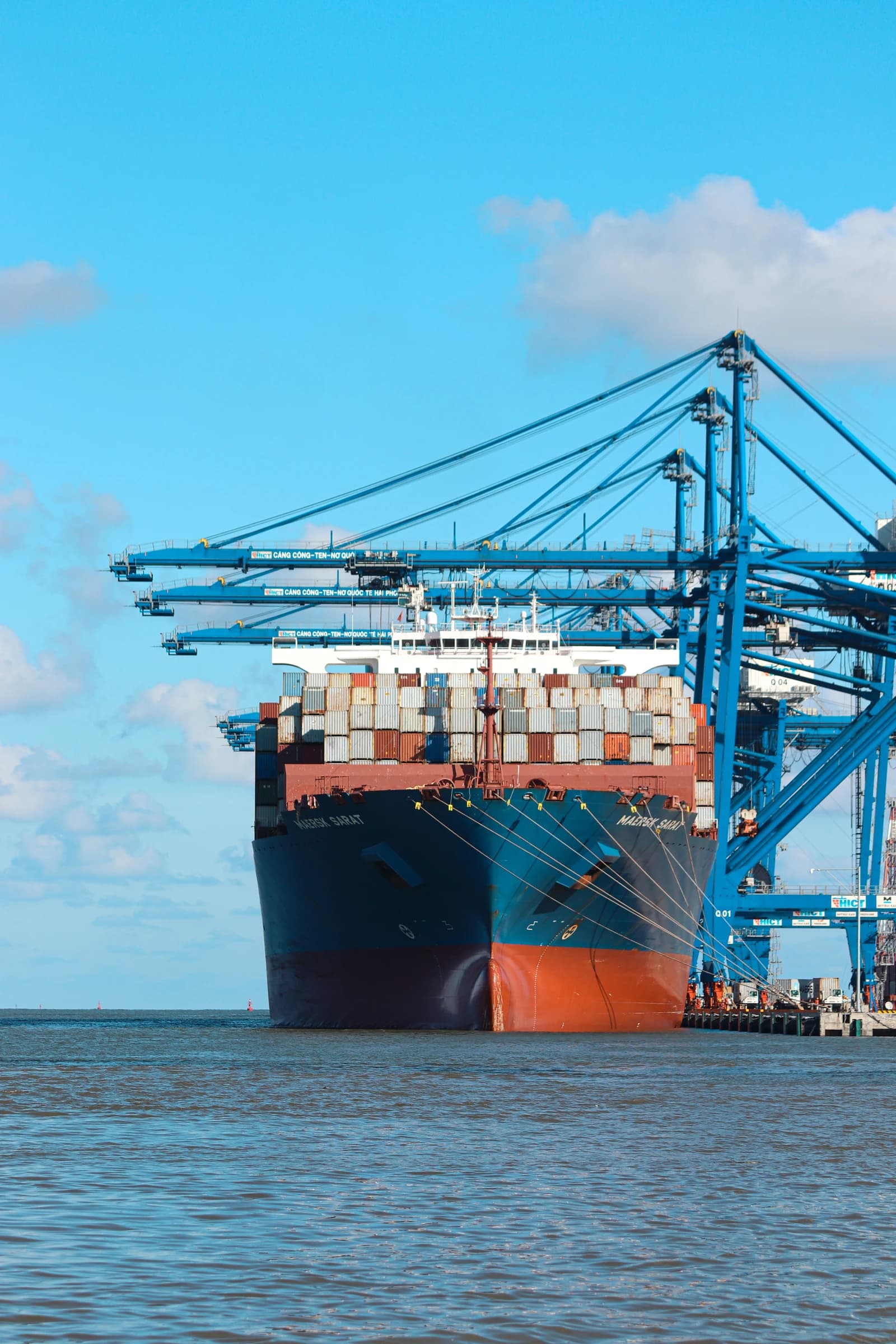
The external accounts tell a similar story. Merchandise exports rose 24.5% to $434.3 billion in the first nine months, but imports jumped 36.7%, leaving a trade deficit of $19.42 billion. Much of that import bill reflects machinery, equipment and raw materials, which is constructive for future production but also exposes how dependent Vietnam still is on foreign inputs. The foreign-invested sector, including oil, accounted for 80.7% of exports, leaving domestic firms with only 19.3%. That is the key structural issue the market often underestimates.
In other words, Vietnam’s headline growth is impressive, but the quality of that growth will determine whether the gains compound. The country needs more local value added, more technology transfer and a deeper domestic supplier base if it wants to convert export scale into durable earnings power and higher productivity. Otherwise, it risks remaining a high-growth node in a global supply chain without capturing enough of the profit pool at home.
For investors, that points to a clear theme. The most attractive opportunities are not just in the obvious export manufacturers, but in the picks-and-shovels behind the expansion: infrastructure, industrial land, logistics, utilities, construction materials, domestic banks financing capex, and consumer platforms that can monetize a rising middle class. The near-term catalyst is still government spending and FDI inflows. The longer-term catalyst is whether Vietnam can turn that investment wave into a broader, higher-margin domestic economy.
My view is simple: the market should not treat Vietnam as a pure growth trade anymore. It should treat it as a selective compounding story, where the winners will be the companies tied to infrastructure, supply-chain localization and domestic consumption, while the losers are businesses exposed to imported inflation, thin margins and low local value capture. If Hanoi keeps pushing public investment while keeping inflation contained, Vietnam remains one of Asia’s most compelling asymmetric opportunities.
| Entity | Gains | Losses |
|---|---|---|
| Infrastructure builders and materials suppliers | ▲More public works spending | ▼Execution risk if projects are delayed |
| Domestic banks and lenders | ▲Credit demand from capex and housing-linked activity | ▼Asset-quality pressure if inflation bites consumers |
| FDI exporters and global manufacturers | ▲Strong output growth and supply-chain demand | ▼Higher imported-input costs and trade friction |
| Consumers and retail platforms | ▲Bigger economy and e-commerce tailwinds | ▼Weaker real purchasing power if CPI stays hot |