Foreign manufacturers are pouring hundreds of millions of dollars into Vietnam’s production base, and the immediate beneficiary is the country’s industrial property market.
Vietnam industrial landlords gain on FDI inflows
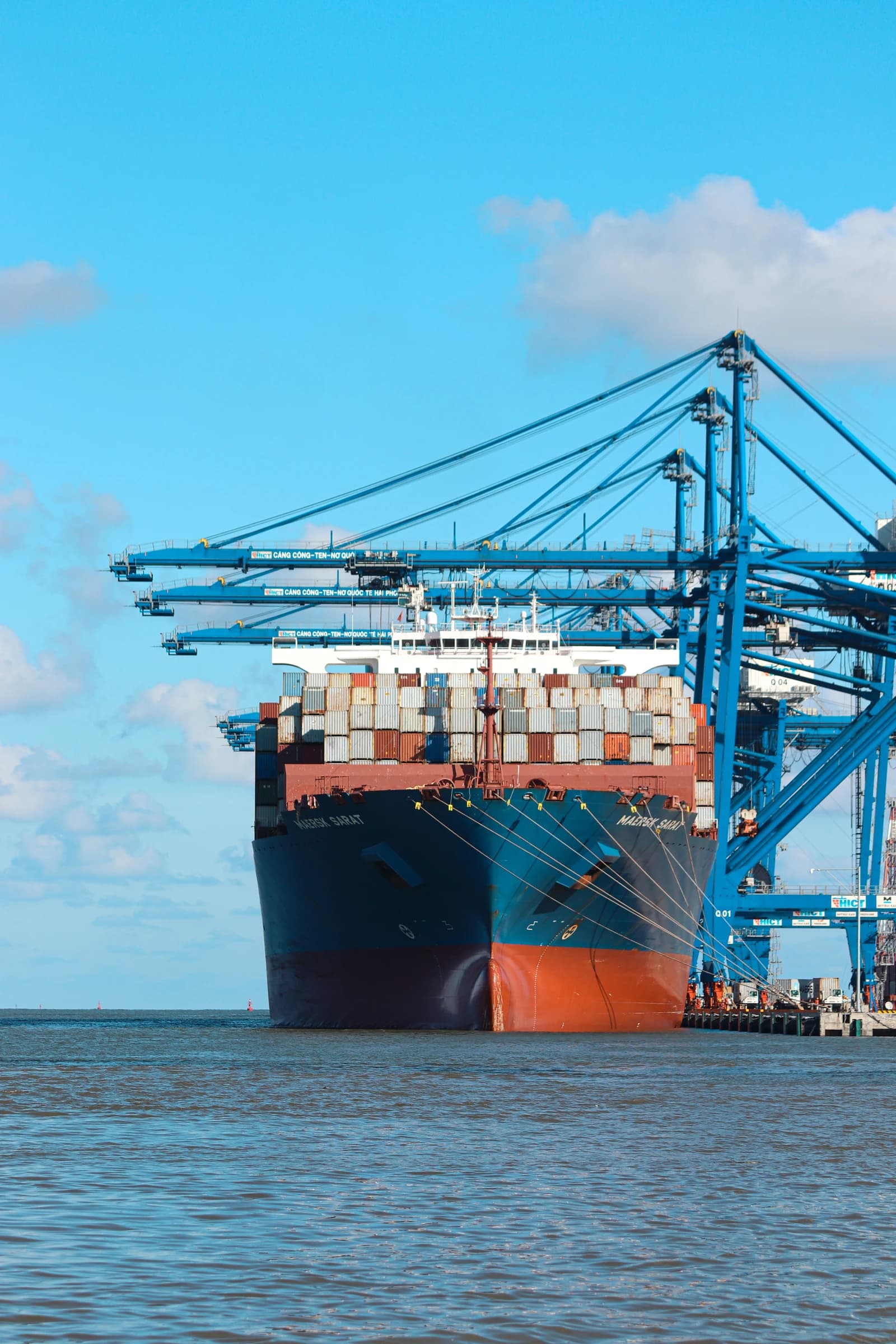
That matters because the new wave of factory investment is translating directly into demand for land, ready-built warehouses and logistics space at a time when Vietnam’s foreign investment pipeline is at its strongest in years. In the first nine months, disbursed FDI rose 12.1% from a year earlier to more than $21 billion, the highest nine-month level in five years, while registered FDI surged 76.4% to $50.3 billion, according to the statistics office.
Sentiment IndicatorsⓘProprietary · adalytica.com · October 13, 2026
This is a snapshot — live sentiment, awareness and momentum for 130+ markets update continuously in the dashboard.Open AlphaPulse
The capital is not staying on paper. OJI of Japan broke ground on a $110 million packaging factory in Dong Nai, Pandora opened a $150 million jewelry plant in Ho Chi Minh City’s VSIP 3 industrial park, and Nestle has added new instant-coffee packing capacity in Dong Nai after nearly $600 million of investment at its Tri An site over the past five years. Together, the projects show how Vietnam is moving beyond low-cost assembly toward a broader production platform serving regional and export markets.
For industrial landlords, that is the key investment story. Each new factory brings a tail of ancillary demand — land preparation, power, transport links, warehousing, and supplier space — that tends to tighten occupancy and support rents. The fact that interest is broadening beyond Japan and South Korea to Chinese and European investors, with inquiries now extending into semiconductors, next-generation electronics and data centers, suggests the demand cycle may be more durable than a simple reshoring trade.
The macro backdrop is also helping. Vietnam is still adding industrial land, but not fast enough to erase the need for better logistics. JLL expects the north to add about 5,000 hectares of industrial land by 2030 and the south more than 6,000 hectares, alongside major infrastructure projects including the Long Thanh airport, Ring Road 3, Ring Road 4 and upgrades to the North-South expressway and Long Thanh-Dau Giay highway. Those projects should cut transport costs and widen the catchment area for factories.
That is why brokers and park operators are increasingly talking about industrial real estate as a structural play on Vietnam’s export model rather than a cyclical property trade. Amata City Long Thanh says investors are looking harder at Dong Nai, while SSI Research expects demand to stay supported by better connectivity and policy steps including faster procedures and incentives for eco-industrial parks.
The bull case is straightforward: FDI keeps rising, infrastructure improves, and industrial assets remain one of the cleanest ways to play Vietnam’s role in regional supply chains. The bear case is that the opportunity remains constrained by permitting delays, skilled-labor shortages and the time it takes for roads, ports and airports to catch up with factory announcements.
For investors, the near-term implication is that industrial developers, logistics operators and landlords with exposure to Vietnam’s southern and northern manufacturing corridors may continue to enjoy pricing power, while occupiers that need land and build-to-suit capacity may face tighter competition for space. The next test is whether the current wave of manufacturing commitments turns into sustained absorption of industrial land and higher recurring rental income.
| Entity | Gains | Losses |
|---|---|---|
| Industrial landlords | ▲Higher leasing demand | ▼ |
| Factory investors | ▲Local production capacity | ▼Higher setup competition |
| Vietnam economy | ▲FDI inflows and jobs | ▼Pressure on infrastructure |
| Logistical bottlenecks | ▲ | ▼Rising strain from new projects |