Vietnam’s parliament is moving to deepen cooperation with China at a moment when bilateral trade and Chinese investment are already at record-strength levels, underscoring how political ties are increasingly tied to supply chains, factories and cross-border commerce.
Vietnam Parliament Deepens China Economic Cooperation

National Assembly Chairman Tran Thanh Man will pay an official visit to China from Oct. 11-15, where he will co-chair the second meeting of the Vietnam National Assembly and China’s National People’s Congress cooperation committee, the highest-level inter-parliamentary mechanism the two sides have created. The visit is his first to China in the role and comes after Chinese legislature chief Zhao Leji visited Vietnam in 2025 for the first meeting.
The trip matters economically because Hanoi and Beijing remain each other’s most important commercial partners in the region. Vietnam has been China’s largest trade partner in ASEAN for 10 straight years and its fourth-largest globally in 2024-2025, while China has been Vietnam’s biggest trading partner for more than two decades.
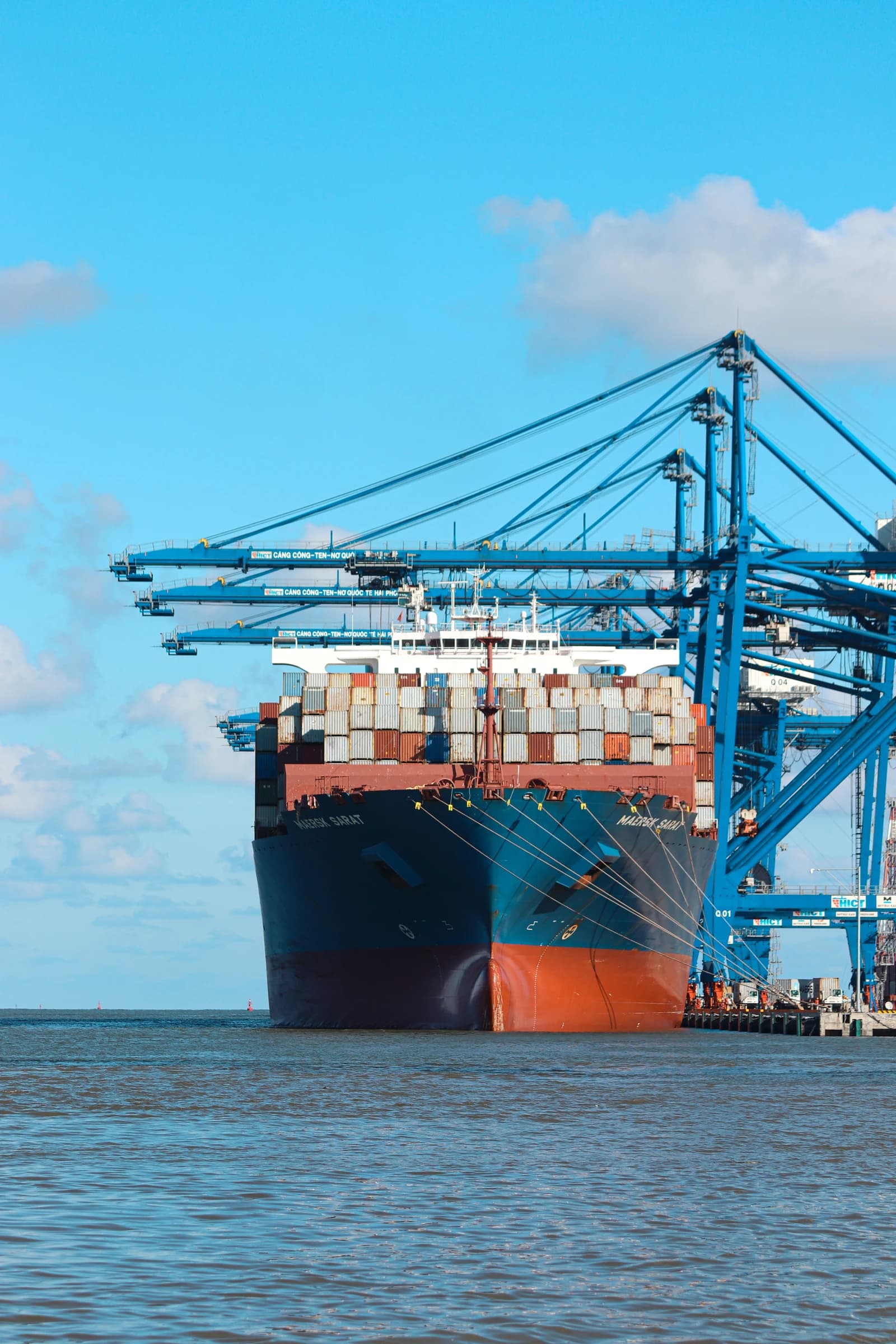
That relationship is also feeding investment flows. Chinese registered investment into Vietnam reached nearly $3.7 billion in the first seven months of 2026, up 31.5% from a year earlier, with 849 new projects — about 35% of all newly licensed FDI projects in the country. For manufacturers, suppliers and logistics firms, that points to a deeper integration of production networks even as global companies look to diversify supply chains.
The parliamentary visit is also meant to build on momentum from Vietnamese Communist Party chief and President To Lam’s state trip to China in April, when the two sides signed 32 cooperation documents covering trade, production chains, customs, science, technology and local ties. Hanoi says the legislative channel is now a pillar of the broader comprehensive strategic cooperative partnership and a way to keep political trust aligned with economic ties.
For investors, the relevance is straightforward: stronger Vietnam-China ties can support industrial parks, ports, exporters and companies exposed to China-linked supply chains, while also reducing policy friction around trade and investment. That can be constructive for Vietnam-focused equities and funds tracking the country’s manufacturing-led growth story, though the benefits will depend on whether the diplomatic warmth continues to translate into concrete approvals, project execution and cross-border trade.
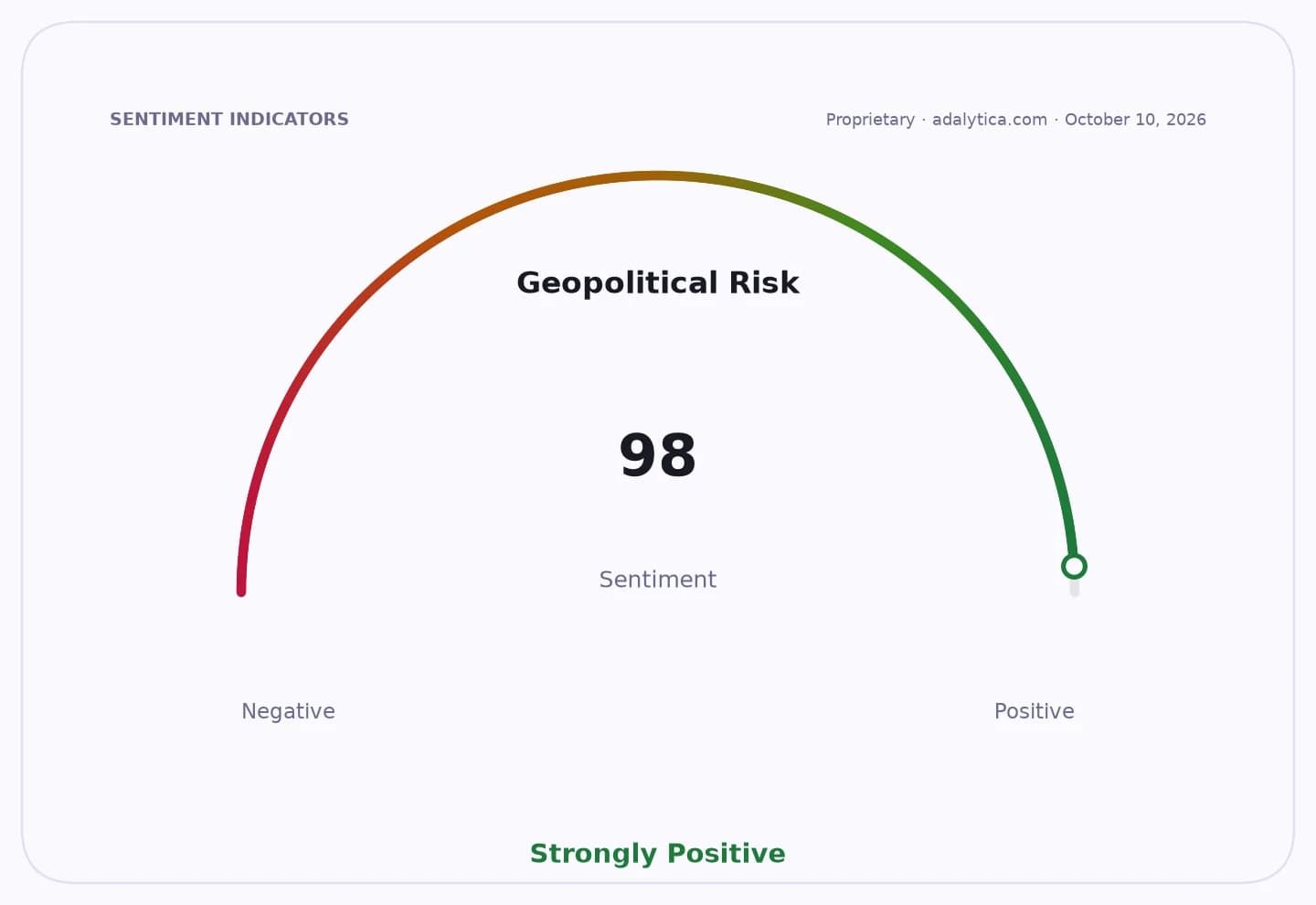
The immediate focus now is on whether the lawmakers’ committee produces follow-through in customs, infrastructure and supply-chain cooperation, and whether the relationship continues to help Vietnam attract more China-linked manufacturing investment without raising geopolitical risk for firms balancing exposure to both markets.
| Entity | Gains | Losses |
|---|---|---|
| Vietnam exporters | ▲Easier China market access | ▼Less immediate pressure |
| Chinese investors in Vietnam | ▲More policy support | ▼Slower project approvals if ties cool |
| Vietnam industrial parks | ▲Higher FDI inflows | ▼Idle capacity if investment stalls |
| Competitors in third countries | ▲Weaker Vietnam cost advantage | ▼More supply-chain relocation to Vietnam |