Vietnam’s inflation is moving above the government’s comfort zone just as the economy is expanding at one of its fastest paces in years, putting policymakers in a tighter bind over how to support growth without letting prices run further ahead.
Vietnam Inflation Tops Target as Growth Stays Strong
Consumer prices rose 5.08% in September from a year earlier, while the consumer price index climbed 0.62% from August, the National Statistics Office said. For the first nine months of the year, CPI was up 4.52%, slightly above Hanoi’s target of around 4.5% for 2026 and the highest nine-month average increase in the 2016-2026 period.
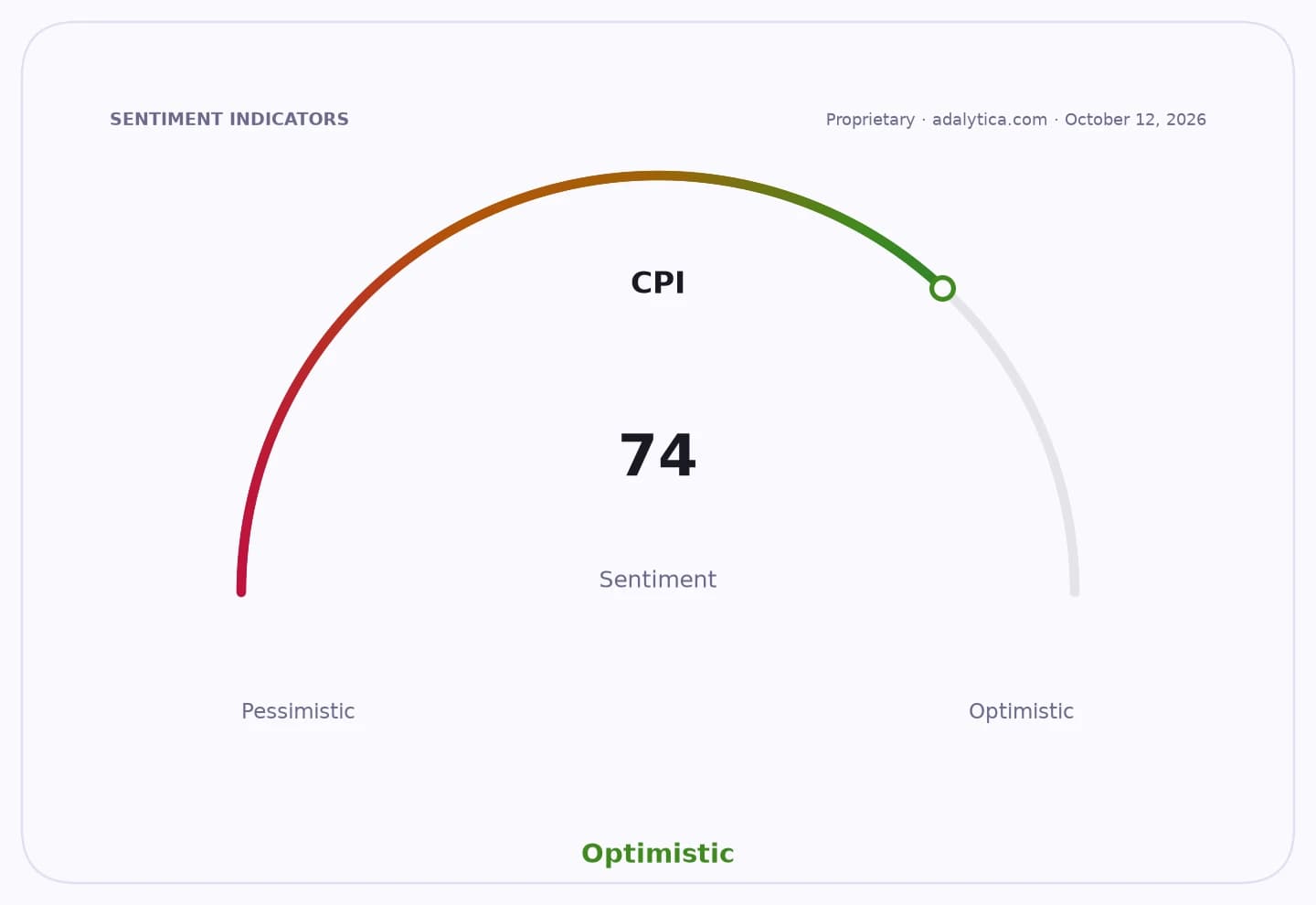
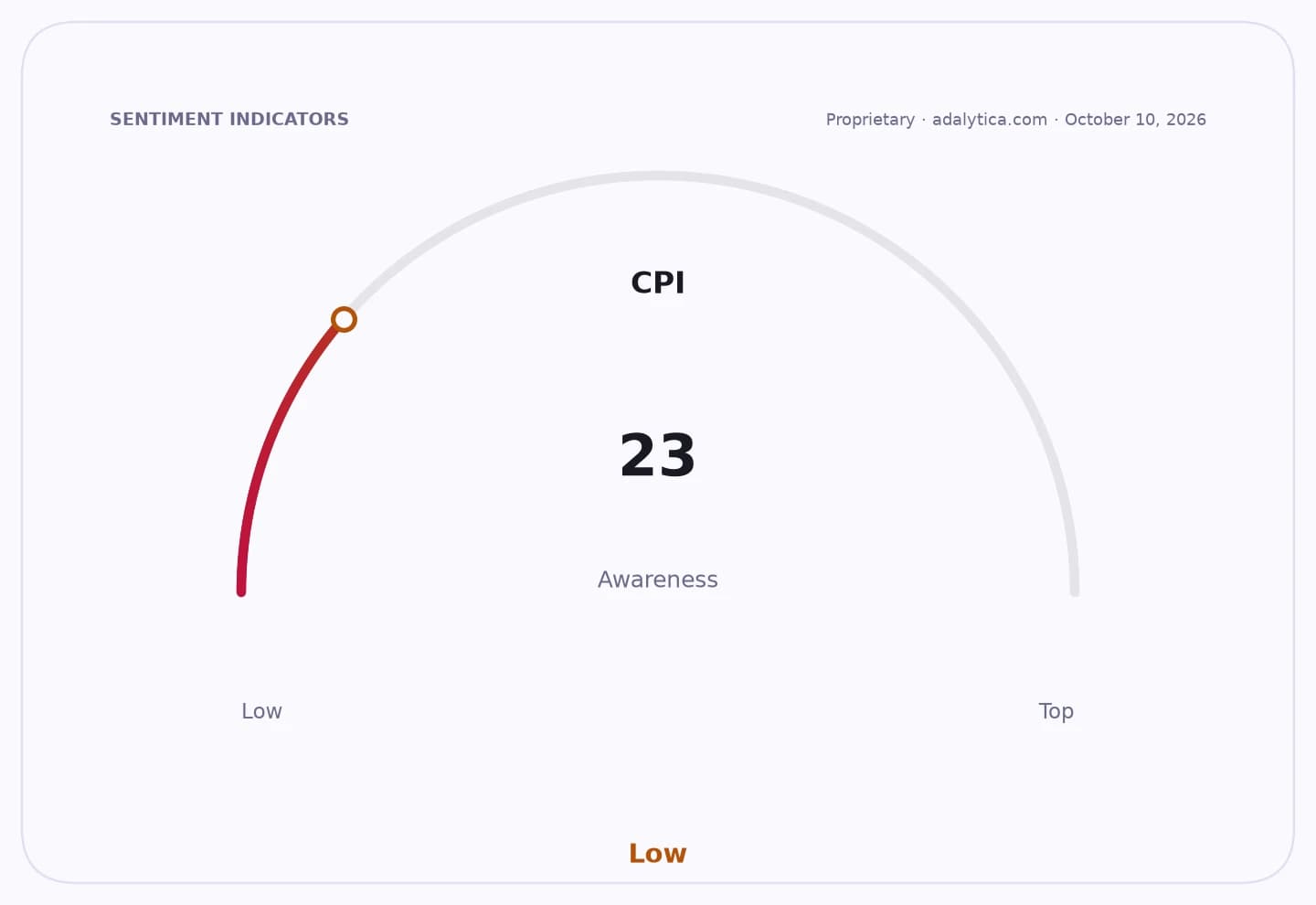
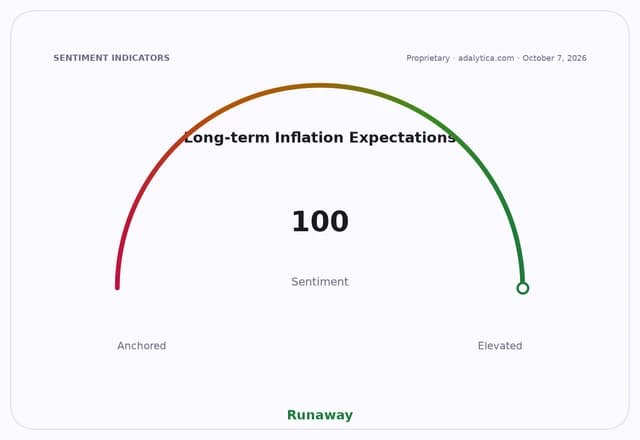
Sentiment IndicatorsⓘProprietary · adalytica.com · October 7, 2026
This is a snapshot — live sentiment, awareness and momentum for 130+ markets update continuously in the dashboard.Open AlphaPulse
That matters because Vietnam is trying to sustain rapid GDP growth while containing the sort of broad-based cost pressures that can quickly erode purchasing power, lift business expenses and complicate credit and interest-rate decisions. The third-quarter economy grew 9.95% from a year earlier, and the nine-month expansion reached 9.01%, underscoring strong demand even as prices accelerate.
The pressure is being led by essentials. Food and catering services rose 4.72% year-on-year in the first nine months, contributing 1.69 percentage points to headline CPI, the biggest contribution among major spending groups. Pork prices climbed 4.46%, poultry prices 3.93% and food-away-from-home costs 7.14%.
Housing, electricity, water, fuel and construction materials also added to the strain, rising 6.68% and contributing 1.52 percentage points. Within that basket, housing maintenance materials jumped 13.07%, rents rose 4.91% and household electricity prices gained 4.35%.
Transport prices were up 6.06% over the nine-month period, with fuel prices climbing 10.89% year-on-year. In September alone, transport costs rose 3.97% from the previous month as petrol prices increased 9.39% and diesel prices 4.53%, reflecting domestic fuel adjustments.
Rising input costs are now feeding through the production pipeline as well. The producer price index for industrial products rose 4.37% in the first nine months, while the index for raw materials, fuel and materials used in production increased 5.12%, both the highest for the same period in 2023-2026.
Core inflation averaged 4.26% in the first nine months, below headline CPI, showing that some of the pressure is still concentrated in volatile food, fuel and healthcare items. But with headline inflation already above target and production costs still climbing, businesses may have less room to absorb higher expenses if demand remains firm.
For investors, the mix of strong growth and sticky inflation argues for closer attention to the policy path, input-sensitive sectors and margin risk. Higher fuel and logistics costs can eventually bleed into consumer prices, while elevated housing and construction materials prices may add to pressure across real estate, infrastructure and retail supply chains.
The immediate focus now is the fourth quarter, when global energy prices, food supplies and further adjustments in regulated goods and services will determine whether inflation stays near target or pushes further above it. If that happens, Vietnam could face more pressure to choose between price stability and the growth momentum that has powered this year’s expansion.
| Entity | Gains | Losses |
|---|---|---|
| Consumers | ▲stronger wages if they persist | ▼purchasing power |
| Businesses | ▲firms that can pass on costs | ▼margin-heavy manufacturers |
| Government | ▲nominal revenue base | ▼inflation target credibility |
| Importers/transport users | ▲stable fuel supply if managed | ▼fuel and logistics costs |