Mauritius’ annual inflation accelerated to 5.7% in September, the sharpest rise in months and a fresh squeeze on household budgets as fuel, food and services pushed prices higher across the economy.
Mauritius Inflation Rises to 5.7% in September
The increase matters because it shows inflation is broadening beyond a handful of volatile items and risks keeping real incomes under pressure. Statistics Mauritius said the consumer price index rose to 114.1 points in September from 113.4 in August, a 0.6% monthly gain, with annual inflation up from 4.9% in August and 4.4% a year earlier.
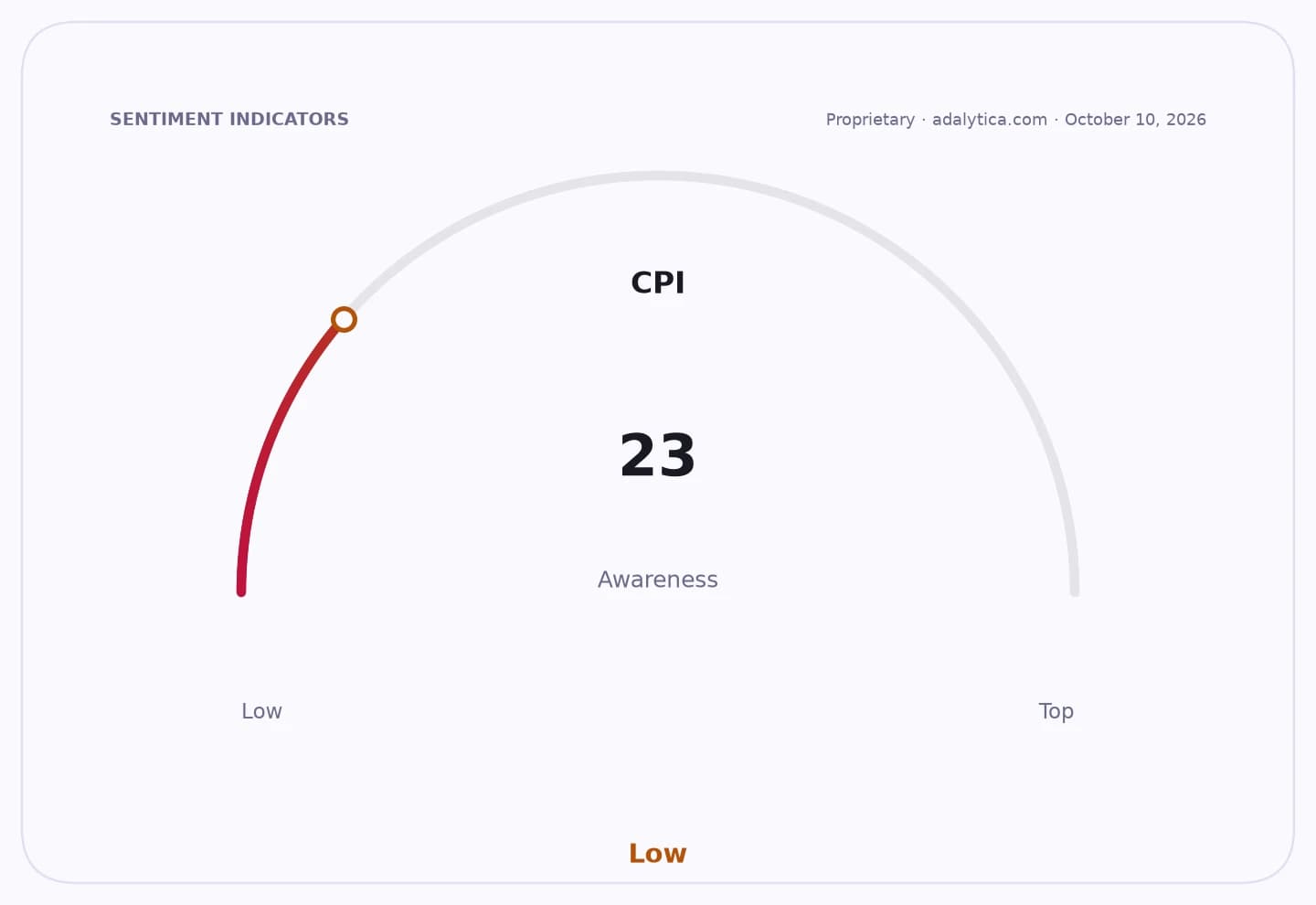
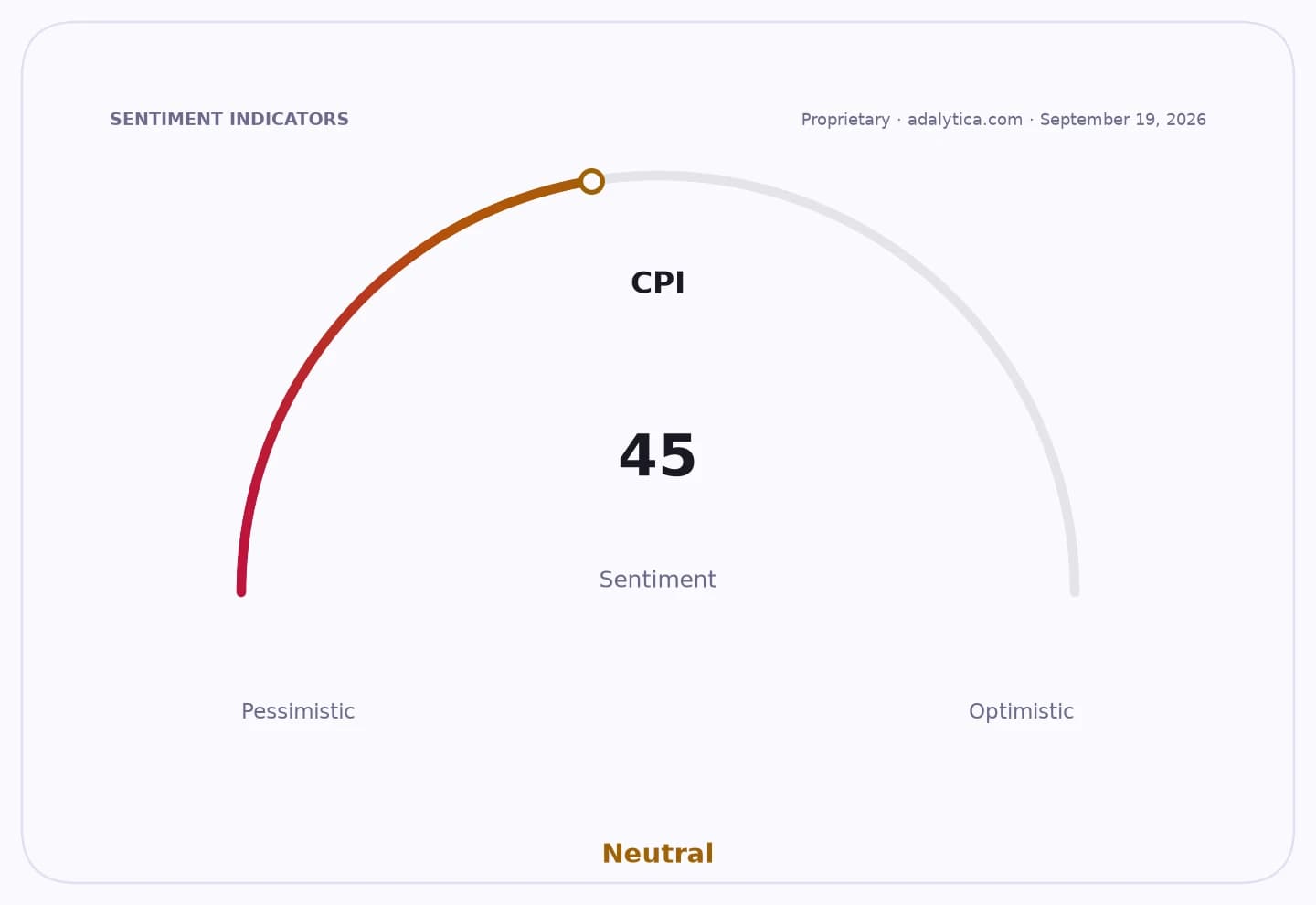
Sentiment IndicatorsⓘProprietary · adalytica.com · October 12, 2026
This is a snapshot — live sentiment, awareness and momentum for 130+ markets update continuously in the dashboard.Open AlphaPulse
Transport was the biggest driver of the monthly move, with the category rising 1.8% as gasoline alone added 0.3 percentage point to the overall index. Food and non-alcoholic beverages climbed 0.6%, while vegetables and other food items each contributed 0.1 point, underscoring how staples continue to feed through into the cost of living.
The breadth of the price pressure is what will concern policymakers and investors most. Core inflation, which strips out food, drinks, tobacco and mortgage interest, rose to 5.8% year on year from 5.2% in August, while the 12-month core measure increased to 5.1% from 3.5% a year earlier.
That suggests the September pickup was not just an energy story. Education prices rose 1.9%, restaurant and accommodation costs increased 1.3% and recreation, furniture and household maintenance also advanced, leaving consumers with little relief across day-to-day spending.
For investors, the data raises the odds that inflation stays sticky enough to constrain policy flexibility and keep pressure on consumption-sensitive sectors. Higher fuel and food costs can also weigh on margins for retailers, hospitality companies and transport operators if they are unable to pass on the increases.
The latest reading leaves Mauritius facing a more difficult inflation backdrop heading into year-end, with the key question now whether higher oil and food costs continue to pass through into broader prices or start to fade in coming months.
| Entity | Gains | Losses |
|---|---|---|
| Fuel suppliers | ▲Higher pump prices | ▼Consumers’ real income |
| Food retailers | ▲Potential price pass-through | ▼Household budgets |
| Restaurants and hotels | ▲Revenue lift from pricing | ▼Demand from cost-sensitive customers |
| Policymakers | ▲Stronger case for vigilance | ▼Room for easier policy |