France’s grocery shoppers are headed for another squeeze, with supermarket chains warning that prices in some aisles could rise 2% to 4% — and more on some products — as food makers seek bigger increases in 2027 contract talks.
France grocery prices may rise in 2027 talks
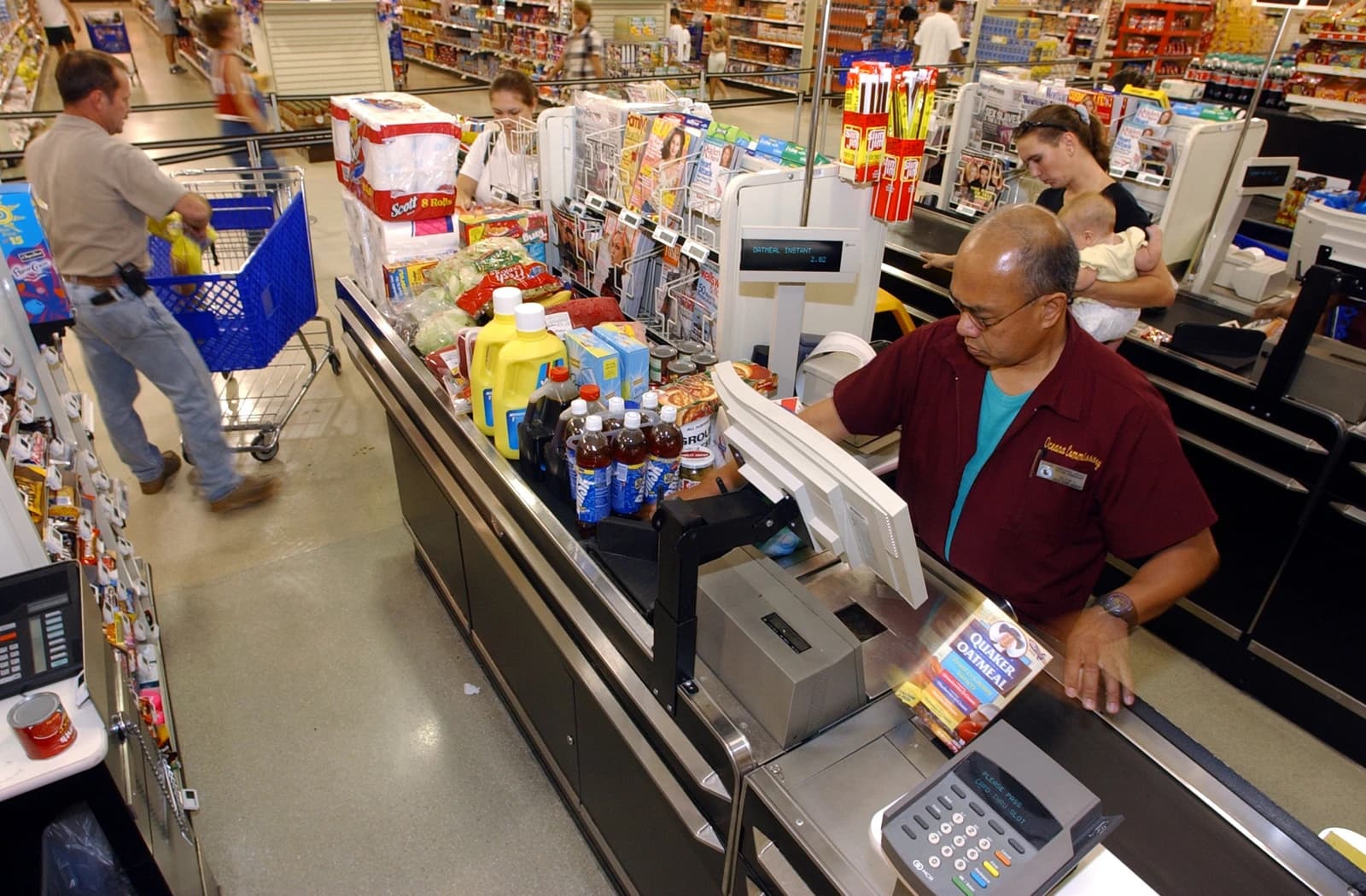
The prospect matters because it hits household purchasing power at a time when French inflation remains sticky and real incomes are weakening. Insee says French purchasing power is set to fall 0.4% in 2026 for a second straight year, while consumer prices rose 3% year on year in September, leaving retailers and policymakers worried that another round of food inflation could curb spending across the economy.
Sentiment IndicatorsⓘProprietary · adalytica.com · October 11, 2026
This is a snapshot — live sentiment, awareness and momentum for 130+ markets update continuously in the dashboard.Open AlphaPulse
Industrial groups are preparing to ask for increases of 4% to 5% on average, with some packaging categories far higher. Bonduelle said it needs about a 7% uplift on canned goods, arguing that higher fuel and energy costs, climate pressures and wage gains are squeezing manufacturers.
Supermarket groups are pushing back, saying consumers will only absorb limited price rises before cutting purchases. Thierry Colillard, president of Groupement Mousquetaires, said suppliers are arriving with hikes of as much as 8% before negotiations, but the industry hopes to hold the final increase to 2% to 3%, or 4% for some families of products, to avoid “deconsumption” that would hurt the French economy.
The tension underscores a familiar European retail battleground: manufacturers trying to protect margins after years of cost shocks, and grocers trying to defend volumes in a weak-demand environment. For investors, the issue feeds straight into pricing power, food retail margins and the outlook for consumer staples names exposed to France and wider euro zone grocery demand.
That backdrop also helps explain why staples stocks remain closely watched as inflation settles but does not disappear. U.S.-listed consumer staples ETF XLP has been trading above its 200-day moving average, while Costco, Walmart and other grocers have held up better than the broader market as investors look for businesses that can pass through cost pressure without a sharp drop in traffic.
The next catalyst is the 2027 annual price-negotiation round, which will show whether manufacturers can secure enough relief to offset rising input costs — or whether French retailers can keep a lid on food inflation without sacrificing sales.
| Entity | Gains | Losses |
|---|---|---|
| Food manufacturers | ▲Higher list prices | ▼Shoppers’ budgets |
| French supermarkets | ▲Volume if hikes are contained | ▼Margin if costs rise faster |
| Consumers | ▲Limited relief if inflation stays 2%-3% | ▼Purchasing power |
| Consumer staples investors | ▲Pricing-power visibility | ▼Demand-sensitive retailers |