Inflation in Greece surged to 5% in September from 3.8% in August, with energy and transport prices doing most of the damage and raising the odds of renewed pressure on household spending, business margins and policy makers.
Greece Inflation Rises to 5% in September
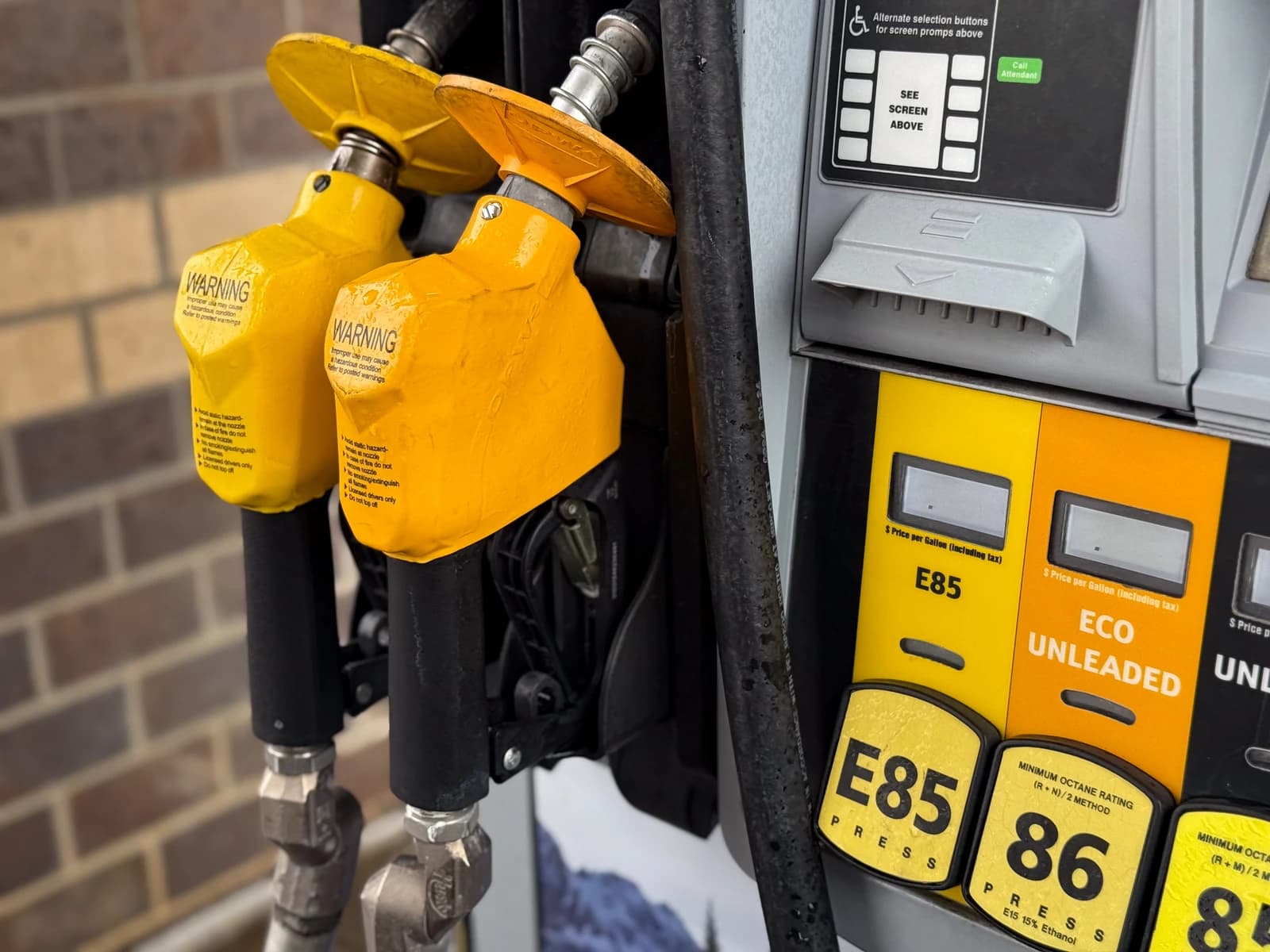
The biggest driver was housing and utilities, where prices rose 14.7% year on year, reflecting sharper costs for electricity, natural gas, heating oil and rent. Transport prices climbed 11.3%, led by diesel, petrol and airline tickets, while natural gas jumped 55.2% and heating oil 53.2%. Diesel was up 38.8% and petrol 22.5%, underscoring how quickly fuel inflation is feeding through to the broader economy.
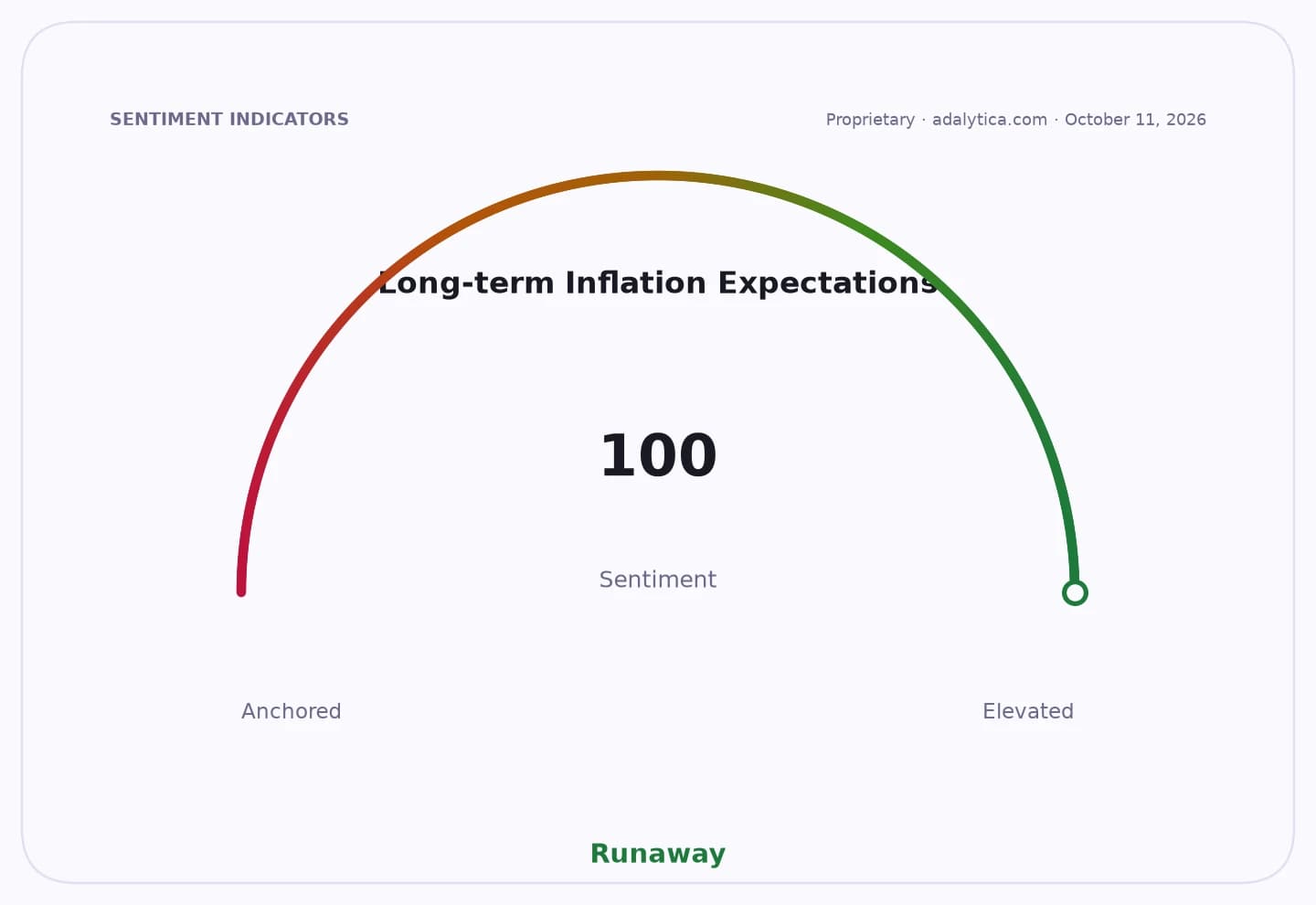
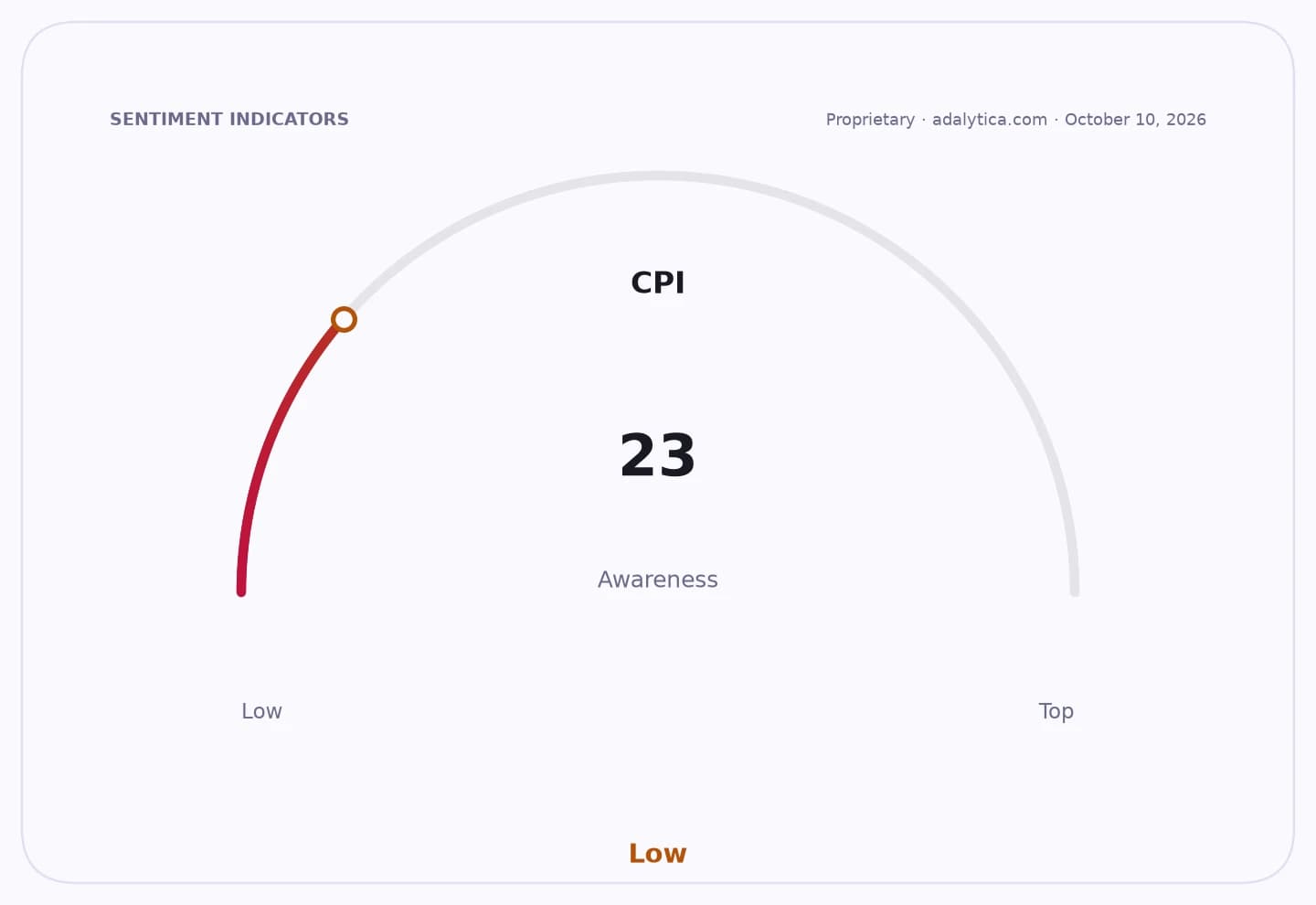
Sentiment IndicatorsⓘProprietary · adalytica.com · October 11, 2026
This is a snapshot — live sentiment, awareness and momentum for 130+ markets update continuously in the dashboard.Open AlphaPulse
That matters because energy and transport are not only large items in the consumer basket; they are input costs across the economy. Higher fuel and electricity bills squeeze disposable income, especially for lower-income households that spend a larger share on essentials, while raising operating costs for airlines, logistics companies, retailers and other businesses with heavy freight exposure. The transport component also points to the risk that imported inflation remains sticky even if some domestic prices ease.
There was little evidence of relief elsewhere. Restaurant and hotel prices rose 6.9%, insurance and financial services 3.5%, education 2.9% and health 1.4%. Food and non-alcoholic beverages rose 0.6%, with higher prices for bread, meat, cheese, eggs and vegetables partly offset by declines in rice, cereals, fresh fish, milk, olive oil, fruit, chocolate, prepared foods, juice and coffee. Communications was the only major drag, down 1.9%.
For investors, the mix is a reminder that headline inflation shocks are most dangerous when they come from energy, because they can ripple into margins, demand and rate expectations at the same time. Travel and transport-linked businesses face a direct hit to costs, while consumer discretionary spending may soften if real incomes are eroded. In Europe, where inflation has already re-accelerated in several economies, the Greek reading adds to the case for central banks to stay cautious even as growth remains uneven.
The market implication is straightforward: if fuel prices remain elevated, the inflation impulse is unlikely to fade quickly. That would keep pressure on local consumption, support pricing power for energy producers and suppliers, and challenge sectors that cannot easily pass on costs. The next data prints will show whether September was a one-off jump or the start of another inflation wave.
| Entity | Gains | Losses |
|---|---|---|
| Energy suppliers | ▲Higher revenue from fuel and power prices | ▼Risk of demand backlash |
| Airlines and transport firms | ▲Limited | ▼Higher fuel and ticket costs |
| Consumers | ▲None | ▼Lower real incomes |
| Central bankers | ▲Tighter policy justification | ▼Less room to ease |