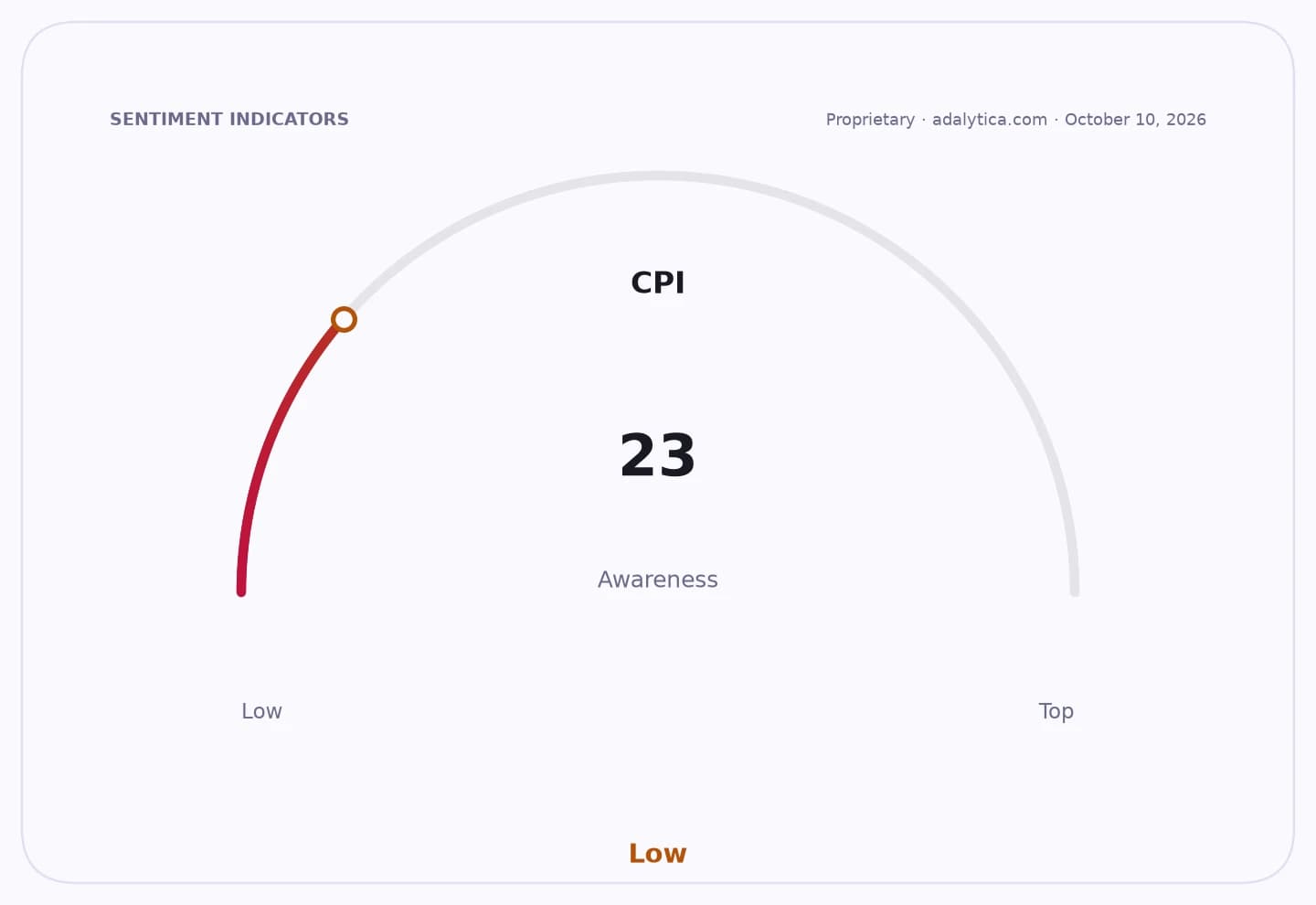
Inflation in Brazil’s Belém metropolitan area accelerated 0.62% in September, with electricity bills doing the heavy lifting and underscoring how one regulated cost can keep consumer prices sticky even when broader inflation is easing.
Brazil Inflation Rises in Belem on Electricity Costs
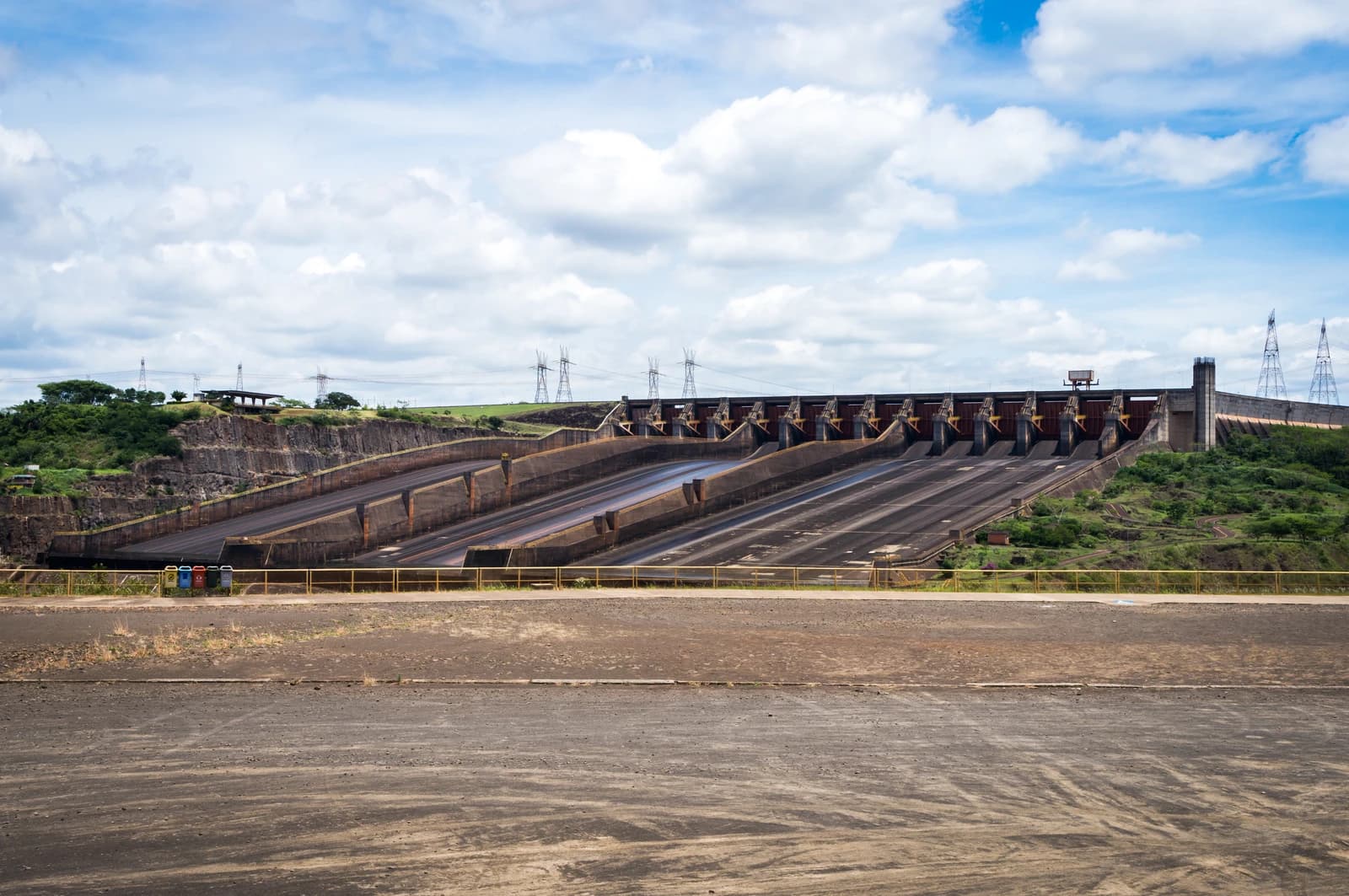
That matters because the Belém reading, while below the national IPCA rise of 0.82%, shows the inflation fight is not uniform across the country. Housing prices climbed 3.01% in the region, led by a 7.05% increase in residential electricity, while transport and food added more heat through higher airfare, diesel and staples such as tomatoes and potatoes.
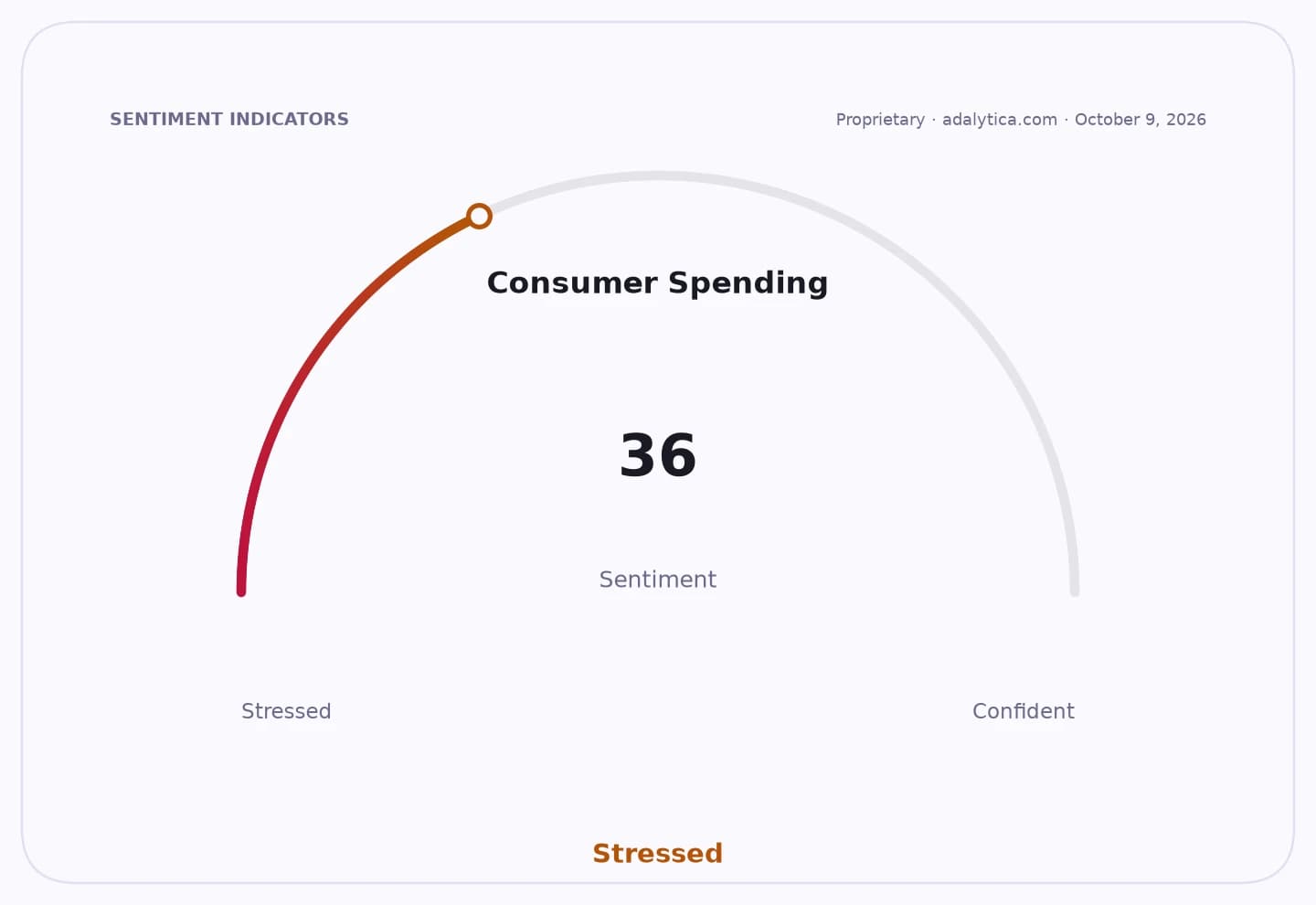
Sentiment IndicatorsⓘProprietary · adalytica.com · October 12, 2026
This is a snapshot — live sentiment, awareness and momentum for 130+ markets update continuously in the dashboard.Open AlphaPulse
For investors, the message is straightforward: power costs remain a live inflation catalyst in Brazil, and that keeps pressure on real household spending, utility-linked price setting and the central bank’s policy room. The national reading pushed 12-month inflation to 4.58%, above the government’s 4.5% target ceiling, after August’s deflation helped mask underlying price momentum.
The driver is especially important because it is not just a one-off food shock. In Belém, the housing group was the main source of monthly inflation, with electricity outweighing declines in clothing and health-related prices. That pattern is exactly what makes inflation persistent: when regulated utilities, transportation and services move together, the consumer basket becomes harder to cool.
Food prices were mixed, but the winners and losers still point to pressure on low- and middle-income budgets. Tomatoes surged 23.94% in the month, and the 12-month jump in tomatoes, onions, potatoes and beans shows how quickly household purchasing power can be eroded when essentials reprice at the same time as utility bills.
Transport is another warning sign. Airfares rose 5.39% in the month and 61.63% over 12 months in the Belém region, while diesel rose 2.30% in September and 16.72% over the year. That combination feeds through logistics, tourism and consumer travel, keeping services inflation from fading too quickly.
The investment takeaway is that Brazil’s inflation story still hinges on energy and transport, not just food. That argues for caution on rate-sensitive assets if inflation expectations reheat, while favoring businesses with pricing power, regulated revenue streams or direct exposure to infrastructure and power distribution. The market underestimates how quickly utility shocks can ripple through the rest of the economy when real incomes are already under strain.
| Entity | Gains | Losses |
|---|---|---|
| Power distributors | ▲Higher pass-through revenue | ▼Political scrutiny |
| Consumers in Belém | ▲— | ▼Higher utility bills |
| Transport operators | ▲Fuel-related pricing power | ▼Demand squeeze |
| Rate-sensitive assets | ▲— | ▼Sticky inflation risk |