Abruzzo households are set to absorb as much as 1,200 euros in extra annual costs in 2026, underscoring how higher energy bills and food prices are continuing to erode purchasing power and squeeze regional consumption.
Abruzzo households face higher energy and food costs
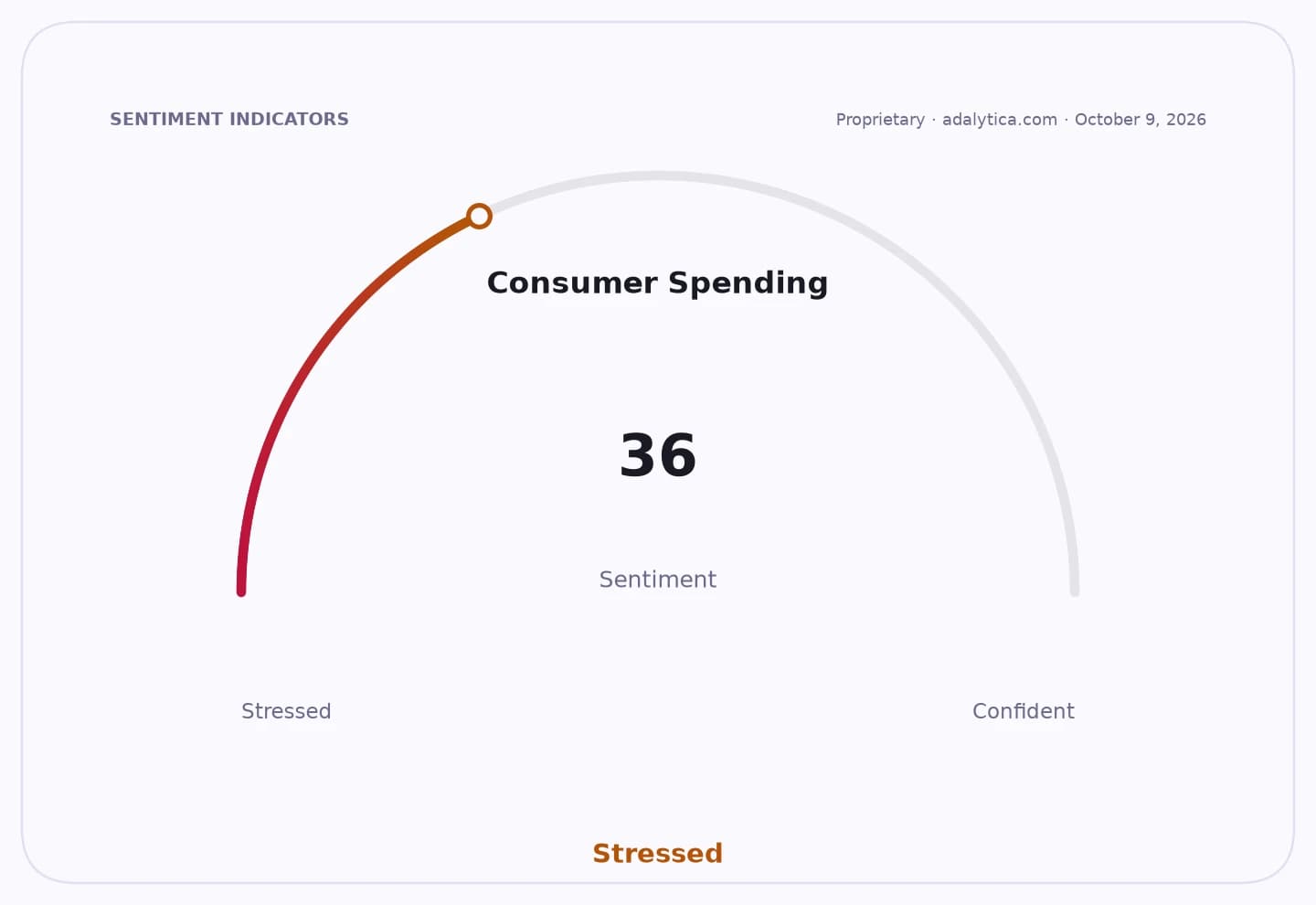
That is the central warning from Confcommercio Abruzzo, which says the combined impact of electricity, fuel and basic food inflation will leave families with far less room for discretionary spending. The trade group estimates electricity and utility bills could climb by as much as 34%, while food prices in the region may rise about 24% compared with 2025.
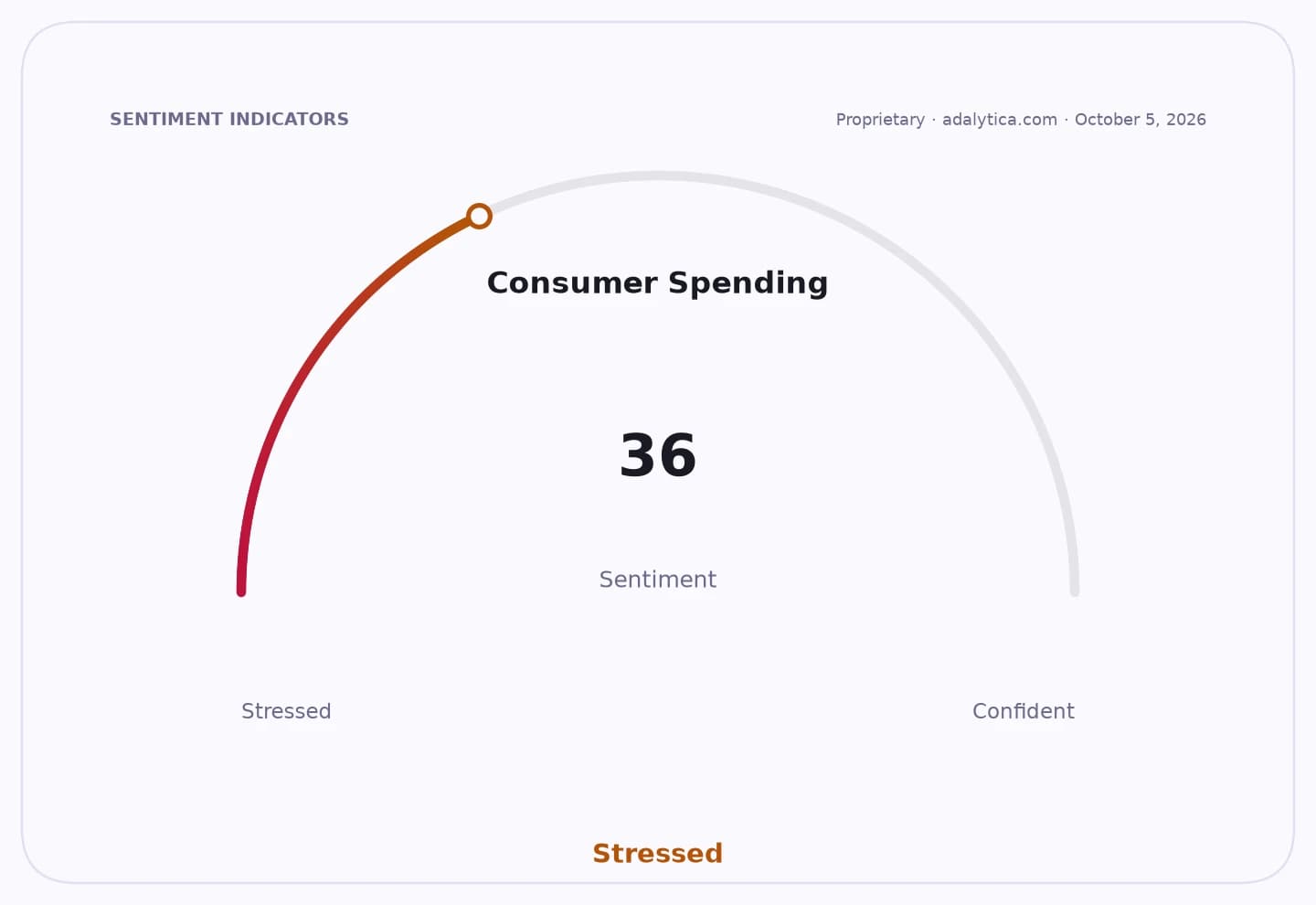
Sentiment IndicatorsⓘProprietary · adalytica.com · October 9, 2026
This is a snapshot — live sentiment, awareness and momentum for 130+ markets update continuously in the dashboard.Open AlphaPulse
The pressure is not confined to lower-income households. Confcommercio said the burden is spreading into the middle class as fixed expenses such as housing, energy, transport, insurance and healthcare absorb an increasingly large share of income. That shift matters economically because it redirects household budgets away from non-essential goods and services, dampening demand across retail, leisure and hospitality.
The group said a family with two children could face an additional grocery bill of up to 1,200 euros a year. Over the past five years, it said prices for everyday items have surged sharply, with coffee up 51%, extra-virgin olive oil up 47%, tomatoes up 45%, potatoes and rice up 44% and eggs up 43%. Coffee at bars has risen 21% and gasoline 12.7% over the same period, adding to the sense of persistent inflation rather than a one-off spike.
For businesses, the implications are twofold. Higher energy costs raise operating expenses for shops, restaurants and tourism operators, while weaker household demand limits pricing power and sales volumes. Confcommercio warned that this combination risks hurting investment and competitiveness, especially for small firms and businesses in smaller towns where local commerce is also a social and employment anchor.
The association is calling for structural measures to curb energy costs and support investment in renewables, grids and energy infrastructure. That puts the issue squarely in the policy debate over how to shield consumers without distorting markets or delaying the shift to cheaper, more resilient energy supply.
For investors, the story is a reminder that inflation can remain economically damaging even when headline readings ease elsewhere. In Abruzzo, the immediate losers are consumers, retailers and service providers exposed to discretionary spending. The relative winners are likely to be energy suppliers and businesses tied to cost-cutting or value-oriented consumption, while the broader economy risks weaker growth if households continue to defer purchases.
| Entity | Gains | Losses |
|---|---|---|
| Households | ▲— | ▼Lower real income |
| Retailers and restaurants | ▲Value demand | ▼Discretionary spending |
| Energy suppliers | ▲Higher revenue | ▼Political pressure |
| Local economies in Abruzzo | ▲— | ▼Commercial desertification |