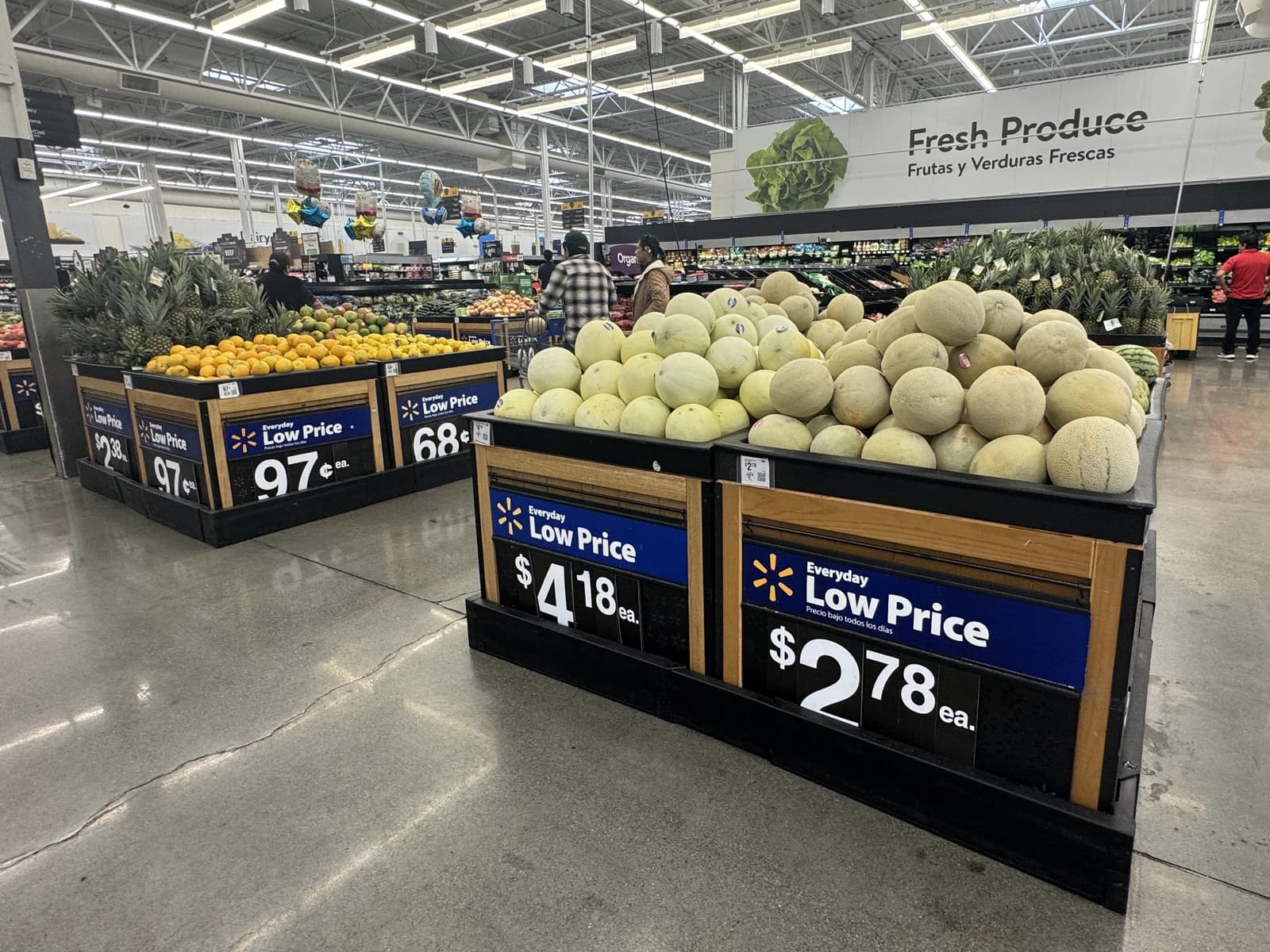
Wages in Italy have been outpaced by inflation for so long that in the hardest-hit cities, households have effectively lost most of a decade’s purchasing power — a reminder that high prices are not just a cost-of-living problem, but a force that reshapes consumer demand, company earnings and portfolio returns.
Italy Wages Lag Inflation, Consumer Spending Weakens
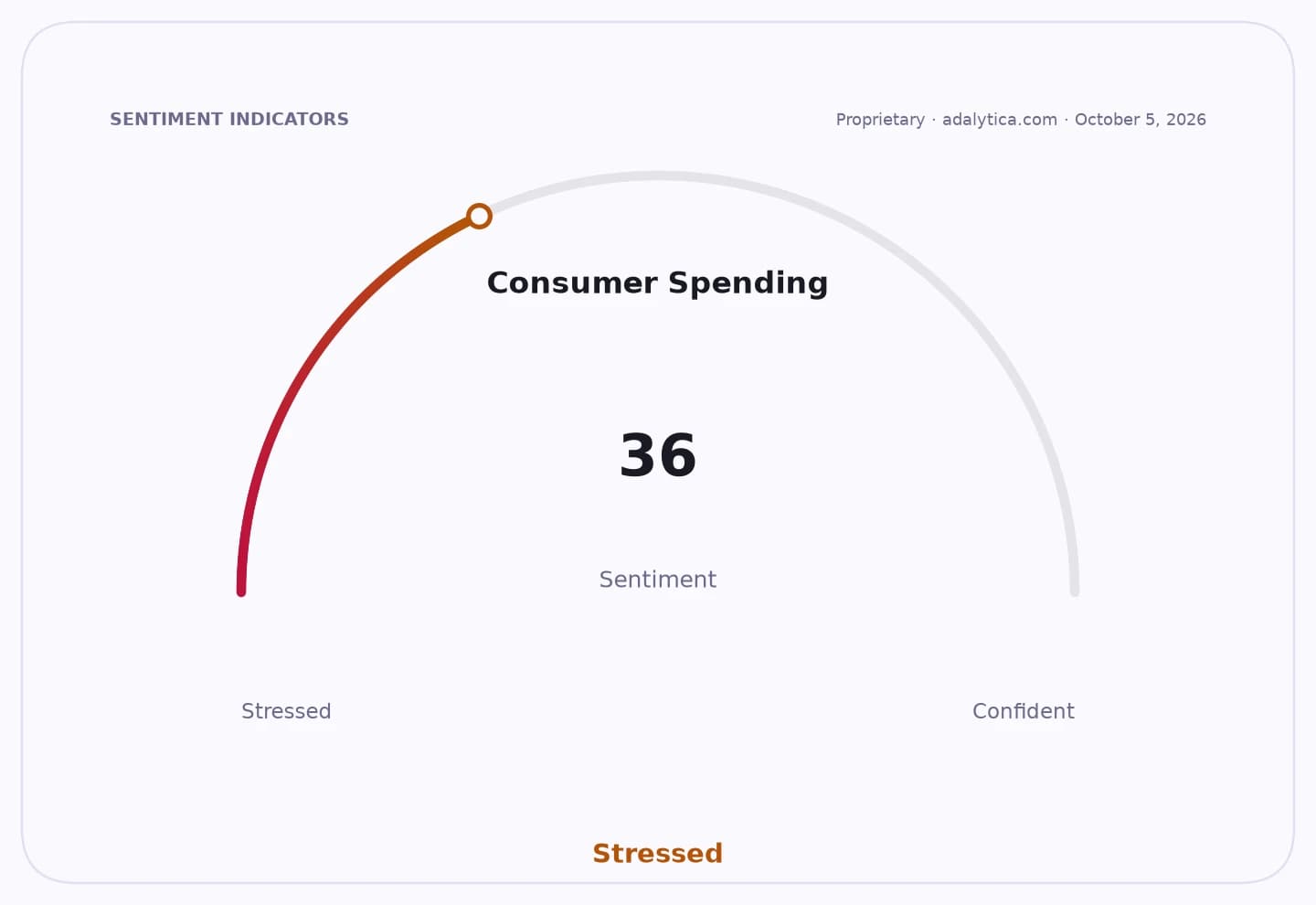
That is the real market story behind the new ranking of cities where the price surge has burned the most purchasing power. Even when nominal pay rises, the ability to buy goods and services can still deteriorate if inflation runs hotter for longer. Over time, that means families cut back on discretionary spending, trade down to cheaper brands and delay big-ticket purchases. For investors, those are not abstract shifts: they show up in retail sales, margins and the relative performance of consumer stocks.
Sentiment IndicatorsⓘProprietary · adalytica.com · October 5, 2026
This is a snapshot — live sentiment, awareness and momentum for 130+ markets update continuously in the dashboard.Open AlphaPulse
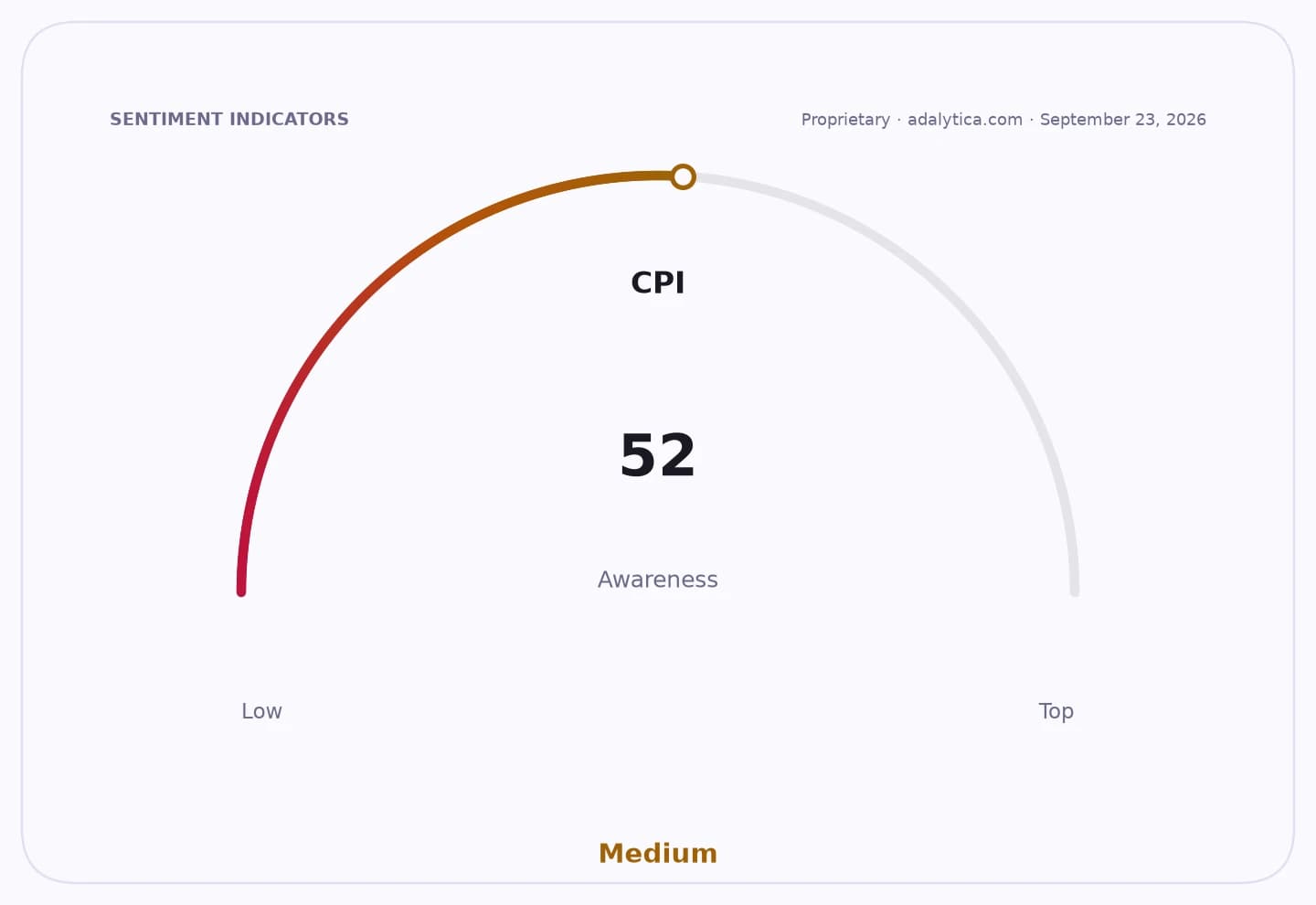
The broader macro backdrop helps explain why this matters. The latest U.S. inflation data in the context remains elevated, with the consumer price index forecast to stay little changed around 333.9 after a reading of 334.1 in August. Unemployment, meanwhile, is still near 4.2%, suggesting labor markets are not collapsing — but strong employment alone does not erase the damage from a long stretch of rising prices. When inflation lingers, paychecks may look healthier on paper while buying less in practice.
That is why consumer-sector positioning matters so much here. The Consumer Staples Select Sector SPDR Fund, XLP, has held up better than the Consumer Discretionary Select Sector SPDR Fund, XLY, in recent sessions, a classic sign that investors favor necessities over wants when household budgets come under pressure. XLP closed at 80.53, while XLY ended at 110.04, but the relative message is more important than the level: staples are being treated as the safer place to hide when spending power is under strain.
Financial stocks also tell part of the story. The Financial Select Sector SPDR Fund, XLF, has weakened sharply from recent highs, closing at 53.49 after trading above 58 in early September. That does not mean banks are the direct victim of inflation erosion, but it does reflect the market’s sensitivity to the broader consumer cycle. When households feel squeezed, credit quality, loan growth and spending-related fees can all become less dependable.
For long-term investors, the lesson is straightforward: inflation is a hidden tax on consumption, and cities where it has hit wages hardest often become the first places where demand shifts show up. Companies with pricing power, loyal customers and strong free cash flow are better equipped to protect margins. Businesses that depend on aspirational spending are more exposed. If you are building a portfolio for the next three to 10 years, this is another argument for diversification, resilience and a focus on firms that can grow earnings even when real wages lag.
In other words, the ranking of the most inflation-battered cities is not just a household story. It is a map of where consumer behavior may change first — and that makes it worth watching closely for investors.
| Entity | Gains | Losses |
|---|---|---|
| Household savers | ▲Better budgeting discipline | ▼Lower real purchasing power |
| Consumer staples stocks | ▲Defensive demand | ▼Less upside from discretionary spending |
| Consumer discretionary stocks | ▲Select premium brands only | ▼Trade-down behavior and weaker volumes |
| Consumers in hardest-hit cities | ▲Pressure to adjust spending | ▼Biggest erosion of living standards |