Brazil’s inflation jump back above the central bank’s target is turning the election season into a macro stress test, and investors are right to treat it as a warning that policy easing may stay on hold longer than the market hoped.
Brazil Inflation Above Target Pressures Rate Cuts

The key development is simple: inflation surprised higher to 4.58%, according to the data context, just as the country heads toward a presidential vote. That matters because Brazil’s policymakers have spent the past cycle trying to thread the needle between slowing growth and restoring price stability. When inflation breaks above target this close to an election, rate cuts become harder to justify, the currency comes under more pressure, and domestic assets become more vulnerable to a repricing of the policy path.
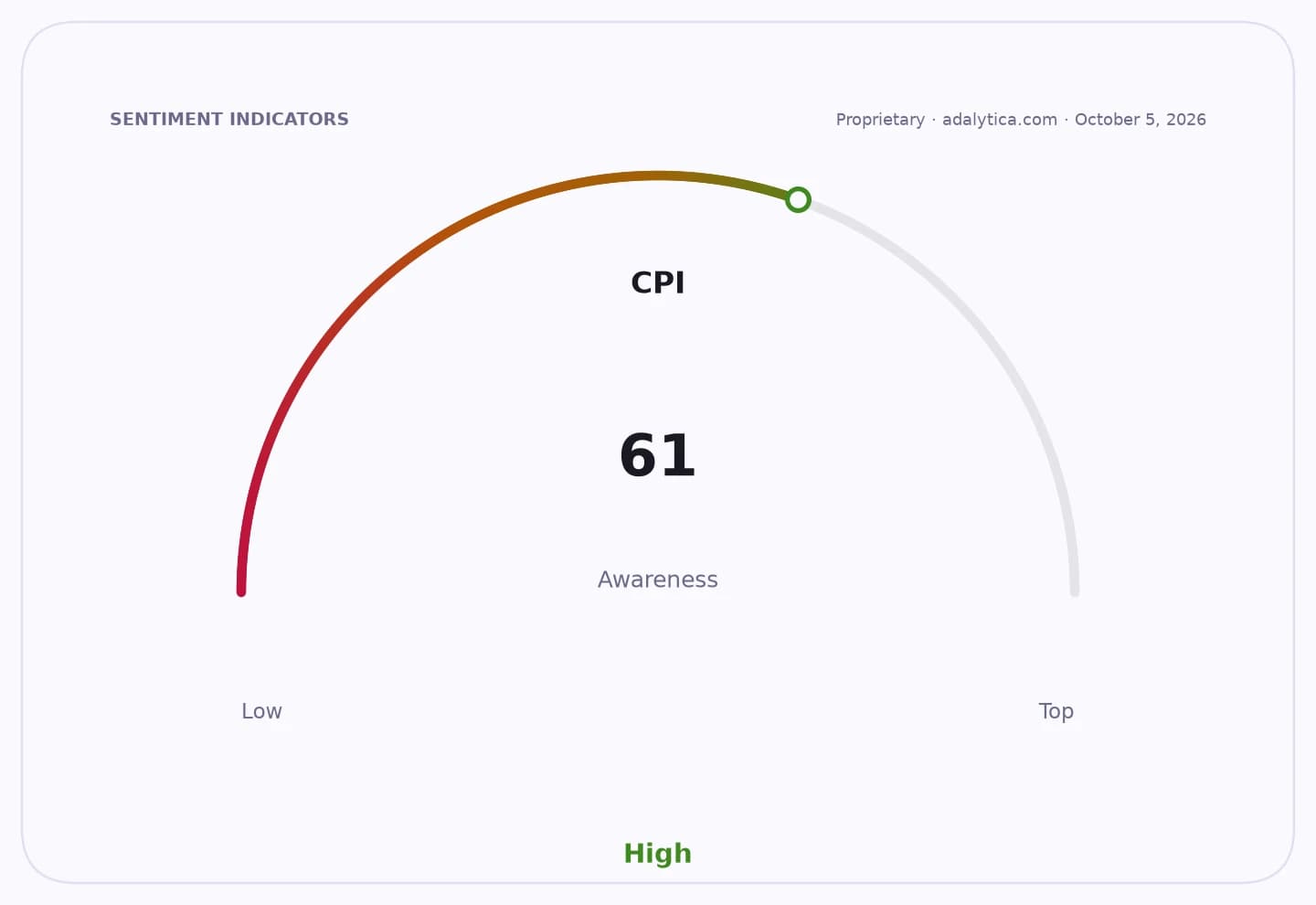
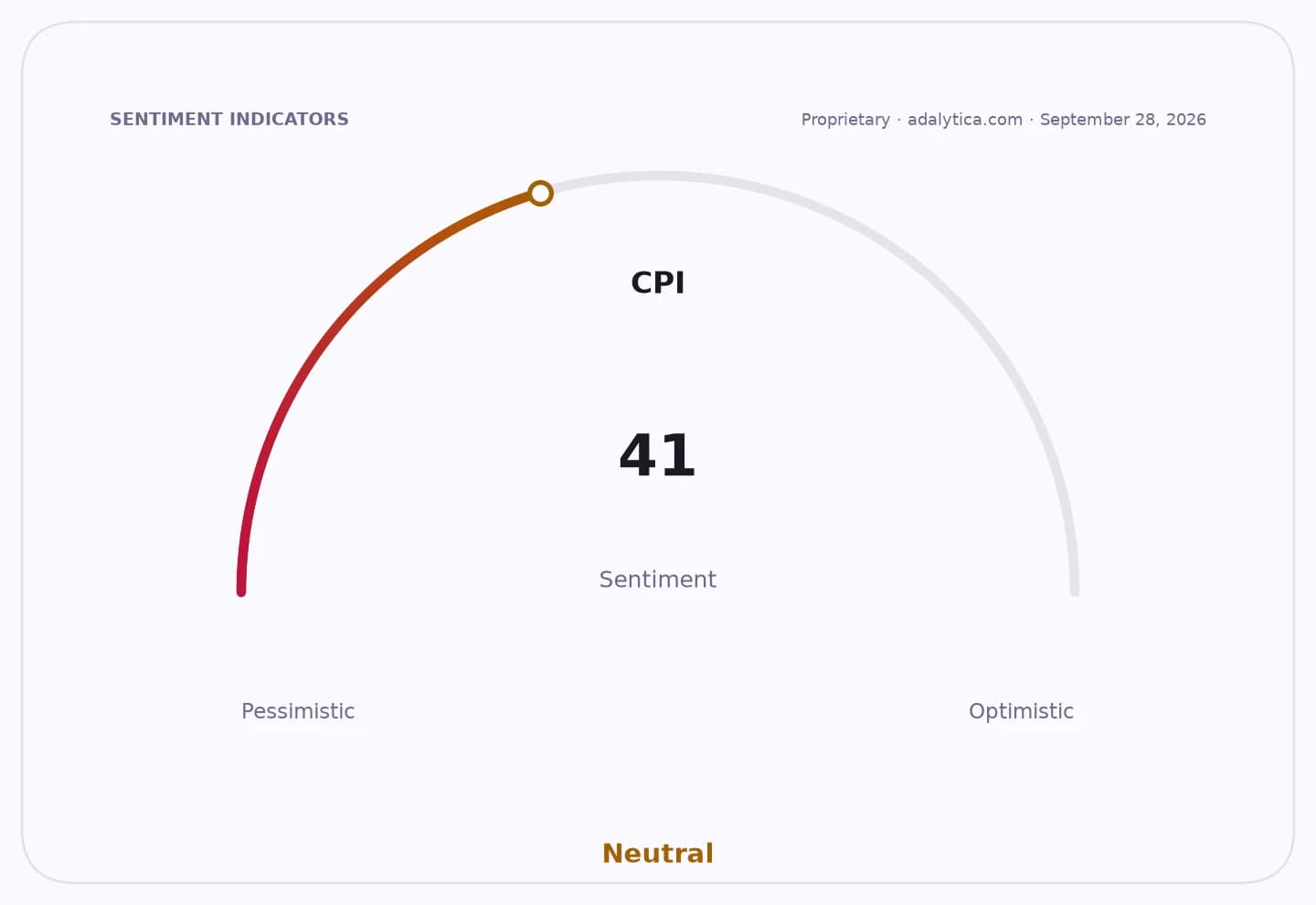
Sentiment IndicatorsⓘProprietary · adalytica.com · October 12, 2026
This is a snapshot — live sentiment, awareness and momentum for 130+ markets update continuously in the dashboard.Open AlphaPulse

For investors, the immediate implication is that the market may have been leaning too aggressively toward easier monetary policy. Brazilian rates have long been the main transmission channel for risk appetite, and any delay in cuts reverberates through local equities, the real and duration-sensitive sectors such as retail, homebuilding and consumer credit. The country’s inflation problem is not just an abstract macro story; it changes discount rates, borrowing costs and earnings expectations in real time.
The reaction in Brazil-linked assets shows that tension. The iShares MSCI Brazil ETF, EWZ, has surged to 43.54, well above its 50-day and 200-day moving averages, but its momentum has also become stretched, with RSI readings in the mid-70s and price action pressing against the upper Bollinger Band. That tells you the rally has been powerful, but also vulnerable if inflation forces policymakers to sound less dovish than traders have priced in. The real, meanwhile, is still trading near 5.02 per dollar after a weak stretch earlier this year, underscoring that currency markets have not fully bought into a clean disinflation story.
This is where the election narrative matters. Inflation is the most politically toxic macro variable in an emerging market before a vote, because it compresses household purchasing power and narrows the room for stimulus. Candidates will be tempted to promise relief, but the central bank cannot print credibility. If inflation remains sticky, Brazil risks a familiar combination: a stronger dollar, tighter financial conditions and a policy mix that forces growth to slow before it can reaccelerate.
The bigger investment lesson is that Brazil is moving from a story of cheap cyclicality to one of macro fragility. That usually favors exporters, commodity producers and companies with hard-currency revenue, while pressuring domestic demand plays that rely on lower rates and stable purchasing power. Investors looking for asymmetry should prefer businesses that can ride a weaker real or benefit from global commodity demand, rather than betting on a swift consumer-led rebound at home.
Our thesis is that the market underestimates how long inflation can stay politically and financially disruptive in Brazil. If price pressures remain above target into the election cycle, the next move is not just about central bank rhetoric — it is about whether local assets can keep rallying without a cleaner inflation backdrop. For now, the best positioning is to stay selective: own Brazil only where pricing power, export leverage or dollar revenues provide a margin of safety.
| Entity | Gains | Losses |
|---|---|---|
| Brazilian exporters | ▲Weaker-real tailwind | ▼Higher input costs |
| Domestic retailers/consumers | ▲— | ▼Eroded purchasing power |
| Brazil central bank | ▲Credibility if hawkish | ▼Flexibility to cut rates |
| EWZ bulls | ▲Momentum if risk appetite holds | ▼Repricing if inflation stays hot |