US lawmakers are escalating pressure on the Trump administration over alleged meddling in Brazil’s politics, a fight that matters far beyond diplomatic protocol because it risks damaging ties with Latin America’s biggest economy just as investors are already wary of political interference, sanctions and trade fragmentation.
Brazil Congress Presses Rubio Over Election Meddling
A group of 12 Democratic members of Congress has asked Secretary of State Marco Rubio to explain what role, if any, the administration played in Brazil’s election process, citing contacts between the White House and the Bolsonaro family, the August revocation of the visa for Brazil’s ambassador in Washington, and what they called efforts to scrutinize Brazil’s electoral system. The letter, led by Gregory Meeks and James McGovern, says the administration’s actions are “sabotag[ing]” the relationship with Brazil and pushing the country closer to U.S. adversaries — a warning that carries economic weight because Brazil is a critical supplier of food, energy and industrial commodities, and a major market for US capital and multinationals.
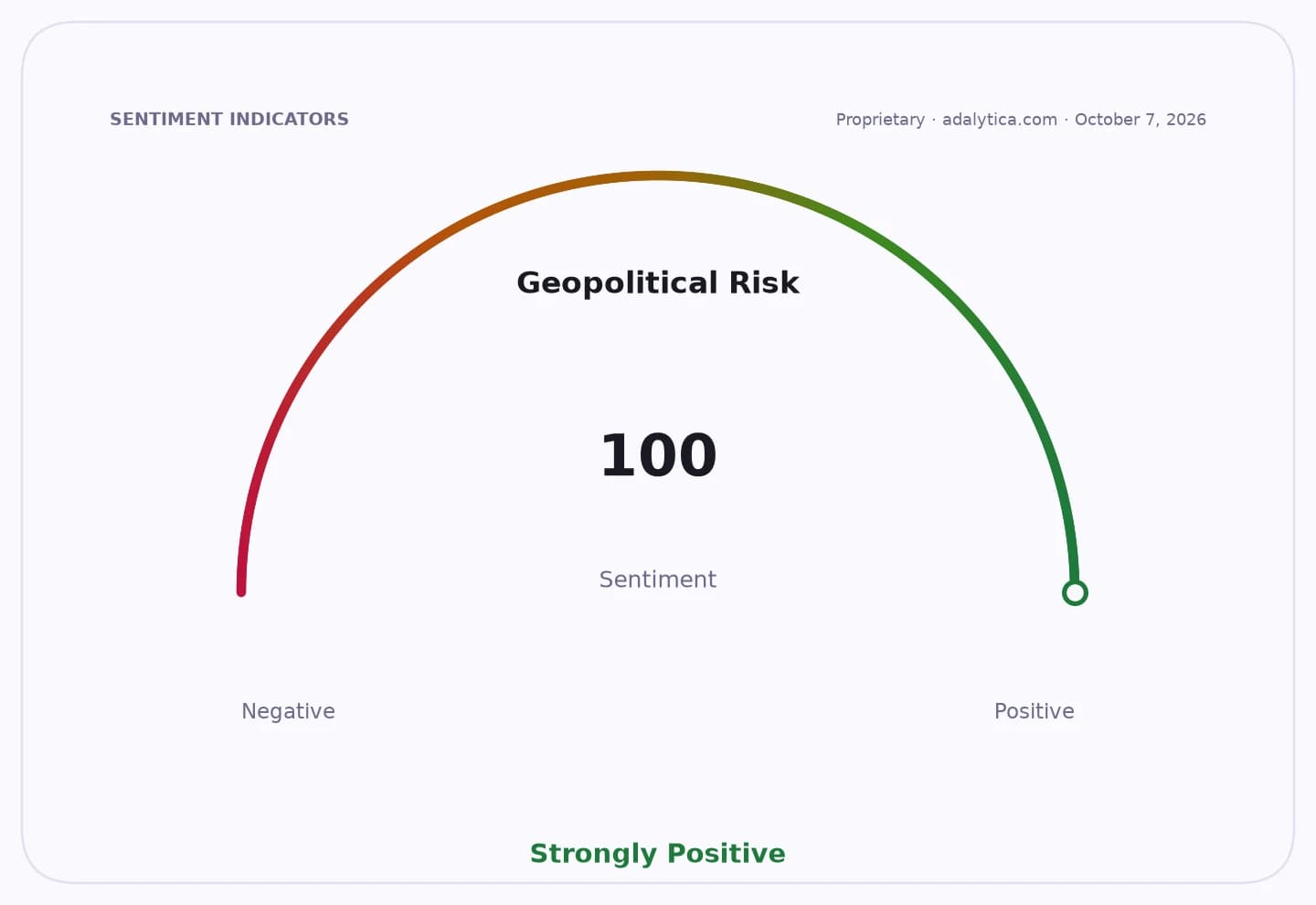
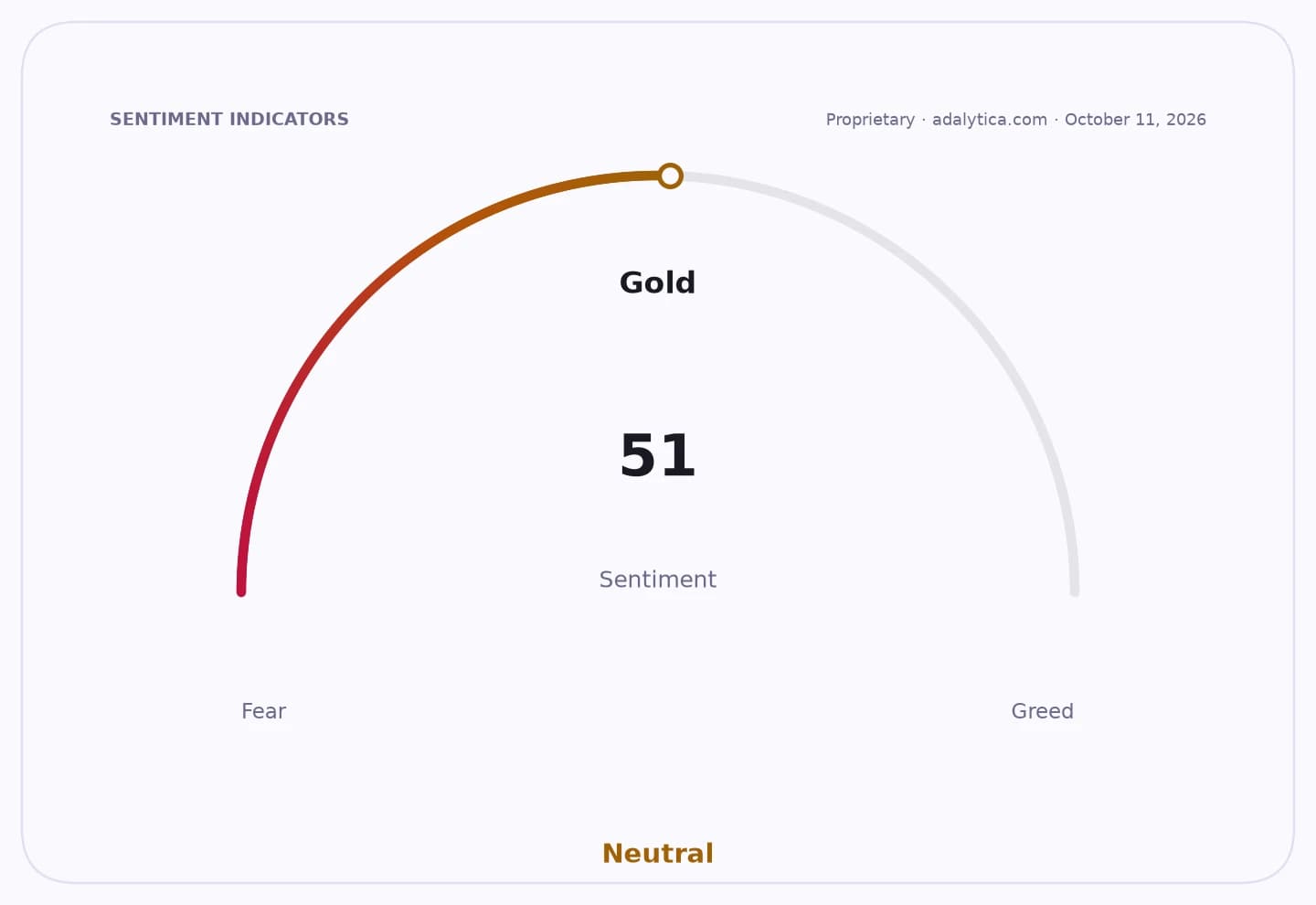
Sentiment IndicatorsⓘProprietary · adalytica.com · October 10, 2026
This is a snapshot — live sentiment, awareness and momentum for 130+ markets update continuously in the dashboard.Open AlphaPulse
For investors, the immediate issue is not just diplomatic friction, but policy optionality. When Washington and Brasília are at odds, the first-order effects show up in currencies, capital flows and risk premiums, then in cross-border trade and sector exposure. Brazilian assets are already reacting to a broader geopolitical backdrop: the real has been soft around the 5-per-dollar area, while the iShares MSCI Brazil ETF has surged to record territory above $43, with recent price action showing stretched momentum and RSI readings in the mid-70s. That combination suggests investors are buying Brazil risk on one hand while demanding a geopolitical discount on the other.
The move also underscores a deeper market truth: Brazil is no longer just a domestic story. It sits at the intersection of U.S.-China competition, commodity supply chains and election-year politics. Any perception that Washington is trying to shape Brazil’s internal political trajectory increases the odds of retaliation, regulatory unpredictability or a colder investment climate. That is why the letter matters — it is a signal that the conflict could move from rhetoric to institutional scrutiny in Washington.
Geopolitical Risk vs EWZadalytica.com
Explore this data interactively — full history, time series and cross-market comparisons.Open AlphaPulse
Notably, Brazil’s Federal Police on Wednesday archived a request to investigate possible US interference in the first round of the Brazilian election, underscoring how politically charged the issue has become on both sides of the hemisphere. That may ease immediate legal risk, but it does not remove the strategic overhang. In fact, by closing one investigative path in Brazil while opening another in Congress, the controversy is becoming more entrenched, not less.
The investable takeaway is straightforward: the market is underestimating the second-order winners and losers from a prolonged US-Brazil chill. I believe investors should treat this as a geopolitical allocation signal, not a passing diplomatic squabble. Winners can include Brazil-exposed exporters, commodity channels and US firms with limited political sensitivity; losers are the obvious cross-border policy beneficiaries, the real if tensions escalate further, and any asset premised on smooth Washington-Brasília cooperation. If the dispute deepens, volatility will create better entry points — but it will also punish complacency.
| Entity | Gains | Losses |
|---|---|---|
| Brazilian exporters | ▲weaker real tailwind | ▼tougher US-Brazil ties |
| US commodity buyers | ▲diversified supply access | ▼higher political risk |
| Brazil equity bulls | ▲strong momentum trade | ▼geopolitical premium risk |
| Trump administration | ▲loyalist political support | ▼reputational damage in region |