A Ninja Foodi Max Dual Zone air fryer is being sold for 119.99 euros on Back Market, roughly 110 euros below the usual entry price for the model and far under comparable new units, underscoring how aggressive discounting is keeping demand hot in one of the most competitive corners of small kitchen appliances.
Ninja Foodi Max Dual Zone on Back Market for 119.99
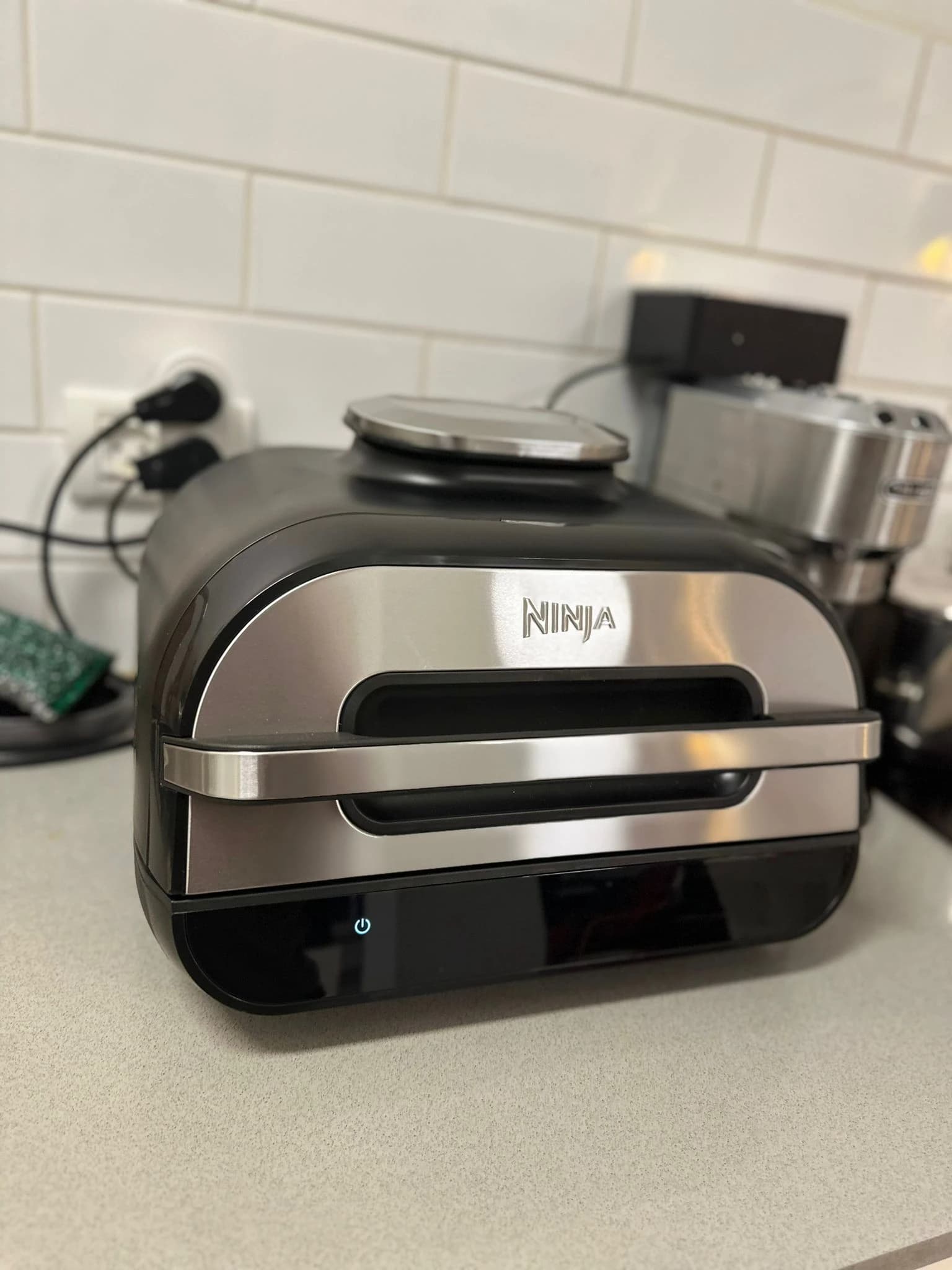
The offer matters because air fryers have shifted from novelty to mainstream household equipment, and price is now the main battleground. Dual-zone models, which let consumers cook different foods at the same time, have become especially sought after by families and time-pressed households. That has created room for a sharp split between premium brands such as Ninja and lower-priced rivals, with refurbished inventory increasingly used to capture budget-conscious buyers.
Sentiment IndicatorsⓘProprietary · adalytica.com · October 11, 2026
This is a snapshot — live sentiment, awareness and momentum for 130+ markets update continuously in the dashboard.Open AlphaPulse
In this case, the low tag is not a pricing error but a refurbished unit in “excellent” condition, complete with a 12-month warranty and 30-day free returns. That reduces the risk for buyers and explains why the deal can undercut new stock so dramatically. The trade-off is obvious: consumers get the same 9.5-litre dual-zone format, but without the certainty of factory-sealed packaging. For many shoppers, especially those prioritizing capacity over cosmetic condition, that is a reasonable exchange.
The economics are straightforward. A refurbished premium appliance at 119.99 euros sits well below the 230-euro-plus level for new versions of the Ninja Foodi Max in the same colorway, while even alternative new dual-drawer machines are materially more expensive. That price gap highlights how secondary markets and flash-deal platforms are putting pressure on brand pricing power just as consumer demand for “value upgrades” remains resilient.
There is also a competitive angle. Amazon is offering the newer Cosori Tenno TurboBlaze for 149.96 euros, showing that rivals are pushing hard on both features and price. Cosori’s unit is smaller at 8.6 litres but uses a stacked dual-basket design that saves counter space, making it a different value proposition rather than a direct like-for-like substitute. The comparison suggests buyers are still willing to pay up for recognized brands and larger capacity, but only if the discount is meaningful.
For investors in consumer electronics, kitchen appliance brands and resellers, the message is that unit growth may remain supported by promotion rather than pricing discipline. That can help turnover, but it also risks compressing margins if discounting becomes the default way to clear stock. The winners are deal-driven marketplaces and price-sensitive consumers; the losers are sellers trying to defend full price in a category where shoppers can now compare premium and refurbished offers side by side.
The near-term test is whether bargain hunting around air fryers remains a seasonal promotion effect or turns into a more persistent pattern of value-seeking behavior. If refurbished and discounted premium models keep drawing traffic, brands may need to lean more on product differentiation, capacity and warranty terms rather than sticker price alone.
| Entity | Gains | Losses |
|---|---|---|
| Back Market | ▲Higher deal traffic | ▼Lower pricing power |
| Buyers | ▲Premium features at discount | ▼New-unit certainty |
| Ninja | ▲Broader reach, volume support | ▼Full-price margins |
| Rival brands | ▲Category demand spillover | ▼Need deeper discounts |