Private and business customers hunting for a new car are finding unusually aggressive leasing offers as dealers use short contract terms, high down payments and rich equipment lists to pull demand into a softening market.
BMW X3 lease deal highlights Europe auto discounting
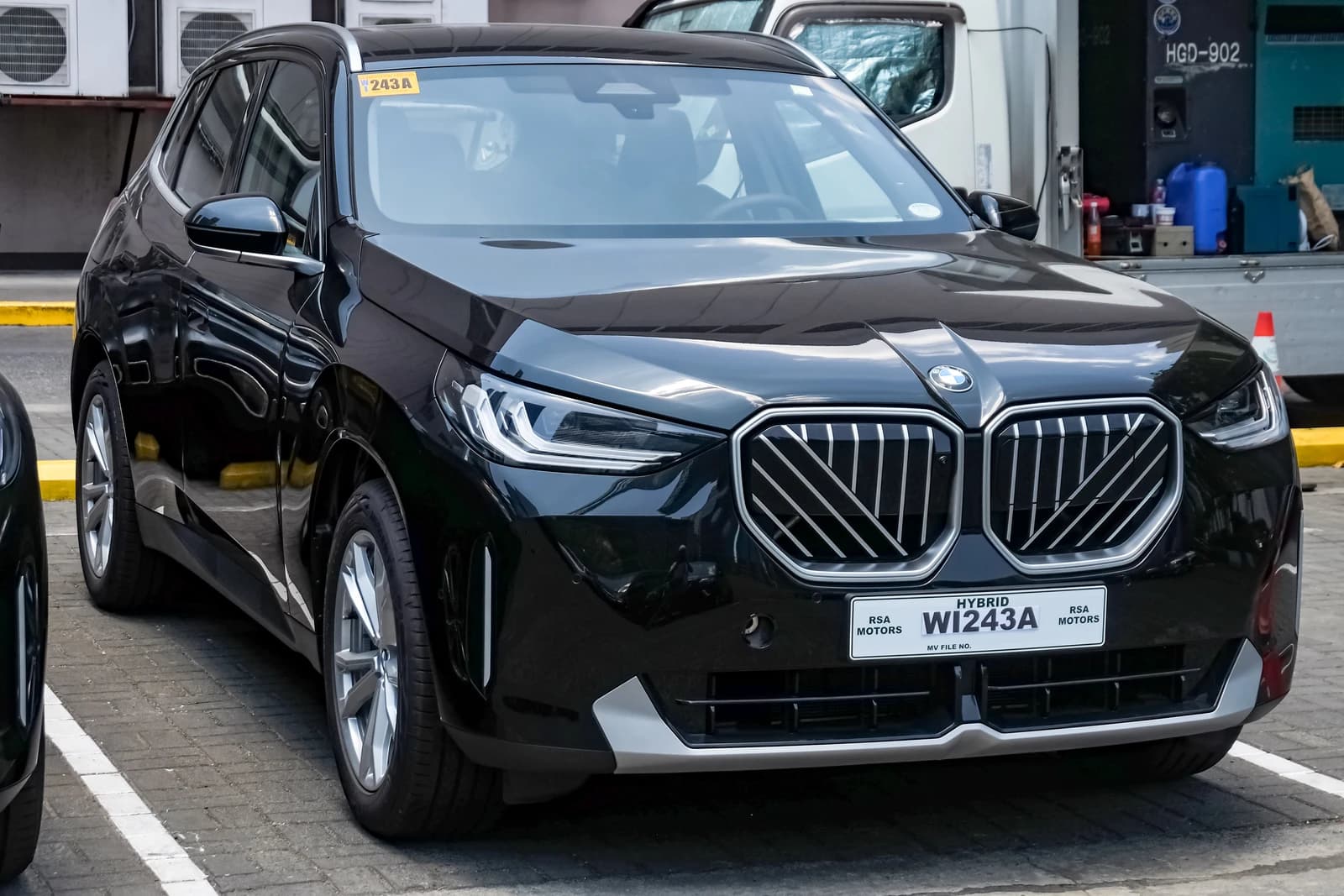
The headline BMW X3 deal at 289 euros a month is the clearest example: it brings a premium midsize SUV into reach at a rate that would normally be associated with far smaller cars, but the fine print shows why the offer looks cheaper than it first appears. The contract requires a 1,000-euro deposit, 1,340 euros in delivery charges and 120 euros for registration, while the Vario structure leaves either a 2,246-euro final payment or a 54,634-euro purchase option at the end.
That matters because leasing has become one of the main ways automakers and brokers support showroom traffic when buyers are more price-sensitive and wary of depreciation on new cars. The deals in the market this week show the same pattern across brands: a VW Caddy California with a 79-euro headline rate that rises sharply once the 2,491-euro upfront payment and fees are included, a Peugeot 2008 GT at 129 euros a month on a 12-month term, a Ford Kuga at 218 euros with no down payment, and a Škoda Kamiq at 164 euros for customers willing to accept a short contract and added fees.
The economics are straightforward. Dealers and leasing platforms can advertise a low monthly payment by shifting value into deposits, final payments and ancillary charges, while manufacturers keep production moving and protect residual values by bundling popular trims and options. For consumers, the deals can still be attractive if they want access to higher-spec models, but the real cost is best judged by the normalized monthly rate: the BMW X3 works out to 372.33 euros once the deposit is spread over the term, and the Peugeot 2008 rises to 212.33 euros before delivery charges.
For investors, the story is less about a single bargain and more about what it says on pricing power in Europe’s auto market. Heavy discounting through leasing usually suggests competition is intensifying, inventory needs support or demand is being stimulated with shorter-duration offers rather than durable volume growth. That can help unit sales in the near term, but it also pressures margins, residual values and second-hand pricing if aggressive promotions become widespread.
BMW’s X3 remains a strong product on paper, with more than 3.5 million units sold globally, a 197-horsepower mild-hybrid diesel and a test reputation for long-distance comfort. But the sharp price gap versus a rival quote for the same configuration underlines how fragmented the leasing market has become and how much pricing is being used to move premium stock. The same dynamic applies to VW, Peugeot, Ford and Škoda: the winners are buyers willing to shop around and accept short terms, while the losers are sellers forced to concede more value to keep demand flowing.
The key question now is whether these offers remain isolated weekly promotions or develop into a broader pricing reset. If headline rates keep falling while fees and final payments rise, the market may be cushioning demand without fixing the underlying weakness. If the discounts spread, investors should expect more pressure on automakers, leasing providers and used-car values across Europe.
| Entity | Gains | Losses |
|---|---|---|
| Car buyers | ▲Lower access costs | ▼Hidden fees and deposits |
| BMW, VW, Peugeot, Škoda dealers | ▲Higher lead generation | ▼Margin pressure |
| Leasing brokers | ▲More transaction volume | ▼Residual-value risk |
| Used-car market | ▲More supply discipline | ▼Price competition |