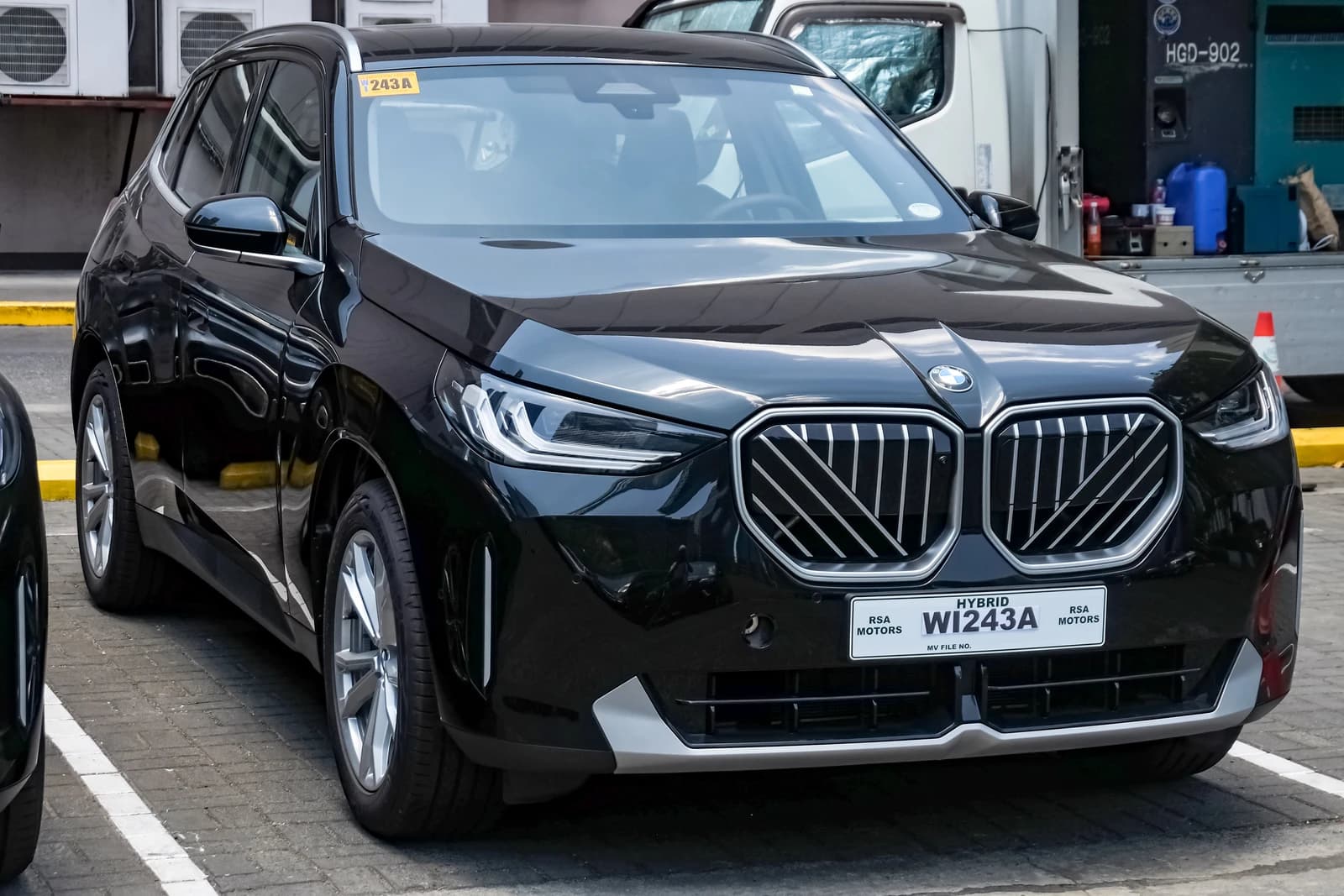
BMW’s new 3 Series is making its biggest shift in decades by launching a fully electric i3 with up to 912 kilometers of WLTP range while ending diesel power in the sedan lineup, a move that shows how fast the premium midsize market is being reshaped by electrification.
BMW 3 Series Gets Electric i3 and Ends Diesel
For BMW, the change matters because the 3 Series has long been one of its most important volume and brand-defining models. Replacing diesel with an electric flagship and gasoline-only alternatives signals where the company sees demand, regulation and product mix heading in Europe and beyond.
The new i3 arrives with two launch variants. The i3 50 xDrive uses a 108.7-kWh battery, 800-volt architecture and dual motors for 469 horsepower, 0-100 kph in 4.7 seconds and as much as 912 kilometers of range. A lower-powered i3 40 xDrive offers 374 horsepower and up to 710 kilometers.
BMW is also keeping combustion in the range, led by the M350 xDrive, a 3.0-liter inline-six with 48-volt mild-hybrid assistance making 443 horsepower, plus two four-cylinder gasoline engines. That leaves diesel out entirely, a notable break from a powertrain that helped define the 3 Series in Europe for years.
The product mix reflects the pressure automakers face to balance emissions compliance with customer demand for long-range, high-performance cars. BMW is trying to protect the 3 Series nameplate’s appeal by offering electric, gasoline and later plug-in hybrid variants, rather than forcing a one-size-fits-all transition.
Investors tend to watch these launches for clues about pricing power, mix and margins. Premium EVs with long range and fast charging can support higher transaction prices, while the continued presence of a six-cylinder M Performance model suggests BMW is still leaning on profitable performance trim to offset the cost of electrification.
BMW shares in Frankfurt have been weak, closing at 53.26 euros on Friday after a sharp slide from more than 91 euros in January. The stock is now well below both its 50-day moving average and 200-day moving average, while RSI readings show heavy oversold conditions, underscoring the market’s skepticism even as BMW refreshes one of its core franchises.
The broader backdrop remains mixed for European automakers: consumers still want combustion engines in some segments, but the premium end is increasingly being used to prove EV range and technology leadership. BMW’s bet on the 3 Series will now be tested by whether buyers accept the new i3 as the default choice in a model line that has long been a benchmark for driving feel as much as efficiency.
| Entity | Gains | Losses |
|---|---|---|
| BMW | ▲EV leadership and premium pricing | ▼Diesel-driven legacy mix |
| EV buyers | ▲912-km range and fast charging | ▼Lower-cost diesel option |
| Gasoline performance fans | ▲Six-cylinder M350 xDrive | ▼Diesel 3 Series loyalists |
| Competitors in premium midsize | ▲Pressure to match range and tech | ▼Market share if BMW wins buyers |