BMW is updating its 3 Series with a sharper design, a fully digital cabin and more standard driver-assistance tech as the German carmaker works to keep one of its core models competitive in a premium segment being reshaped by software and electrification.
BMW 3 Series facelift adds digital cabin, PHEVs
The facelifted sedan and Touring wagon go on sale internationally in July 2022, with starting prices in Germany at 43,900 euros for the sedan and 45,000 euros for the wagon. That matters because the 3 Series remains a volume pillar for BMW, and the refresh shows how the company is pushing higher-content trims and more expensive technology into the heart of its lineup rather than relying only on outright redesigns.
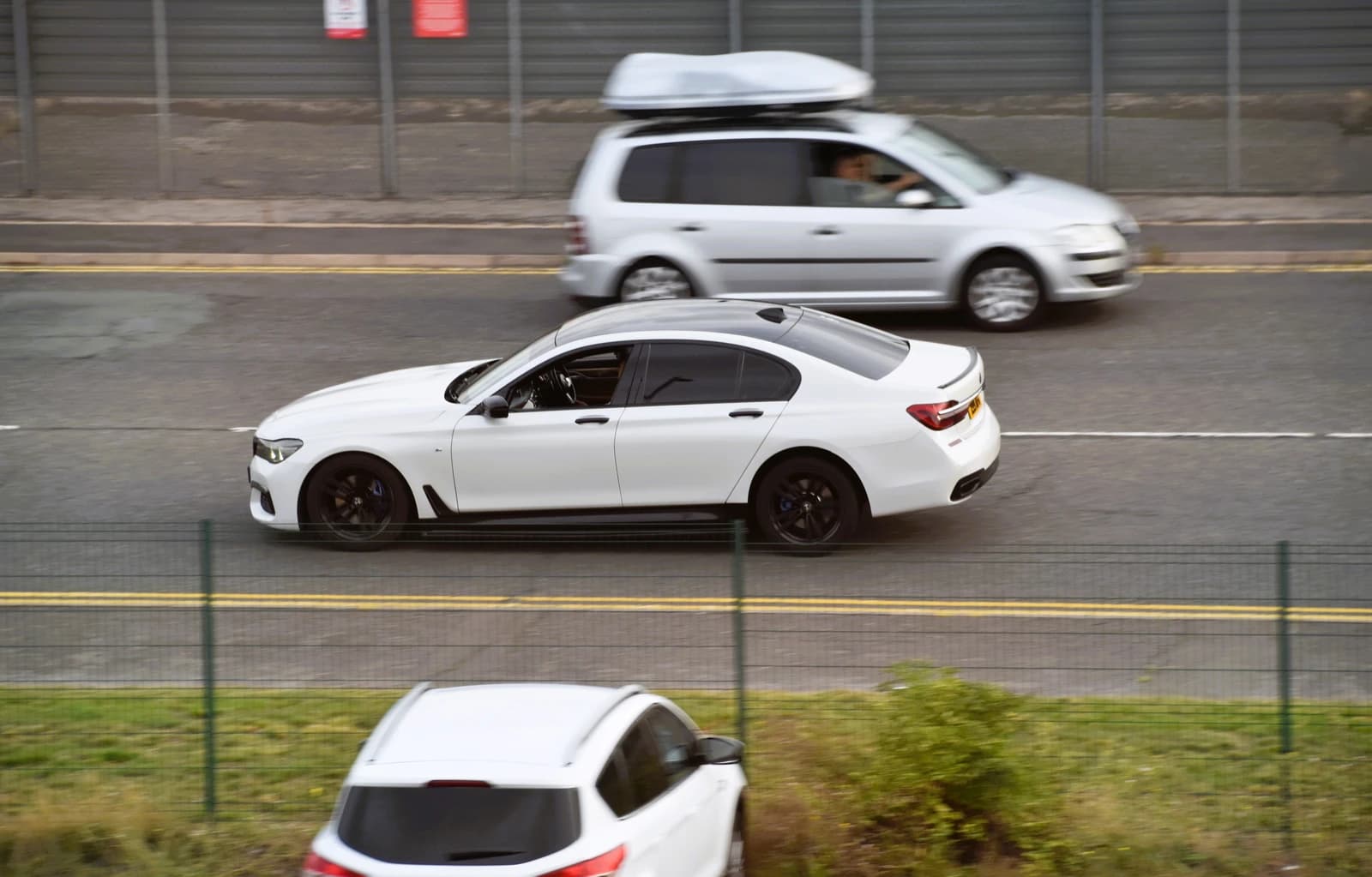
The exterior changes are incremental but aimed at a more aggressive look. BMW has fitted a new front bumper, slimmer standard LED headlights, revised kidney grilles and a cleaner rear bumper, while M High-gloss Shadowline trim is now standard and 17-inch wheels come fitted across all sedans.
The bigger commercial story is inside. The updated 3 Series now gets BMW’s curved display with Operating System 8.0 as standard, pairing a 12.3-inch digital instrument cluster with a 14.9-inch central screen. BMW is also cutting physical controls, adding three-zone climate control as standard and leaning more heavily on voice and touch input, a move that aligns the car more closely with the brand’s latest electric models.
Connectivity is now part of the value proposition. The car comes with BMW Live Cockpit Plus, BMW Maps, My BMW app integration, 5G-capable eSIM support, Apple CarPlay and Android Auto, while BMW ConnectedDrive Upgrades lets owners add software features after purchase. For investors, that points to a wider shift from one-time hardware sales toward recurring digital revenue and a higher-margin ownership ecosystem.
BMW is also broadening the 3 Series’ electrified lineup. The sedan can be ordered in three plug-in hybrid variants and the Touring in four, while all engines use turbocharging and either plug-in hybrid or 48V mild-hybrid technology. Top versions remain the M340i xDrive and M340d xDrive, with xDrive all-wheel drive standard on the range-toppers and optional on select petrol, diesel and PHEV versions.
The refresh also adds a new M Sport Pro package and extra safety and parking aids, including collision warning with braking intervention, lane departure warning, cruise control with braking function and optional Driving Assistant Professional. That helps BMW justify pricing in a market where premium buyers increasingly expect advanced driver assistance as standard, not as a costly add-on.
Production will take place in Munich, with sedan output also coming from San Luis Potosi in Mexico. The 3 Series facelift will be watched closely as a test of whether BMW can preserve demand for a long-running nameplate while pushing customers toward more digital, electrified and higher-priced configurations.
| Entity | Gains | Losses |
|---|---|---|
| BMW | ▲Higher-content, higher-margin 3 Series | ▼Risk of higher pricing resistance |
| Buyers of updated 3 Series | ▲More tech, safety and electrification | ▼Lose some physical controls |
| Mercedes C-Class and Audi A4 rivals | ▲— | ▼Stronger BMW feature set pressure |
| Software and connectivity vendors | ▲More digital feature demand | ▼Legacy trim-only suppliers |