Oil’s jump back above $100 a barrel is rippling through the auto market just as Tesla trades near the top of its recent range and Volkswagen’s Audi division faces a test of whether premium combustion SUVs can still command buyers in an energy-stressed market.
Tesla, Audi face oil spike impact on auto demand

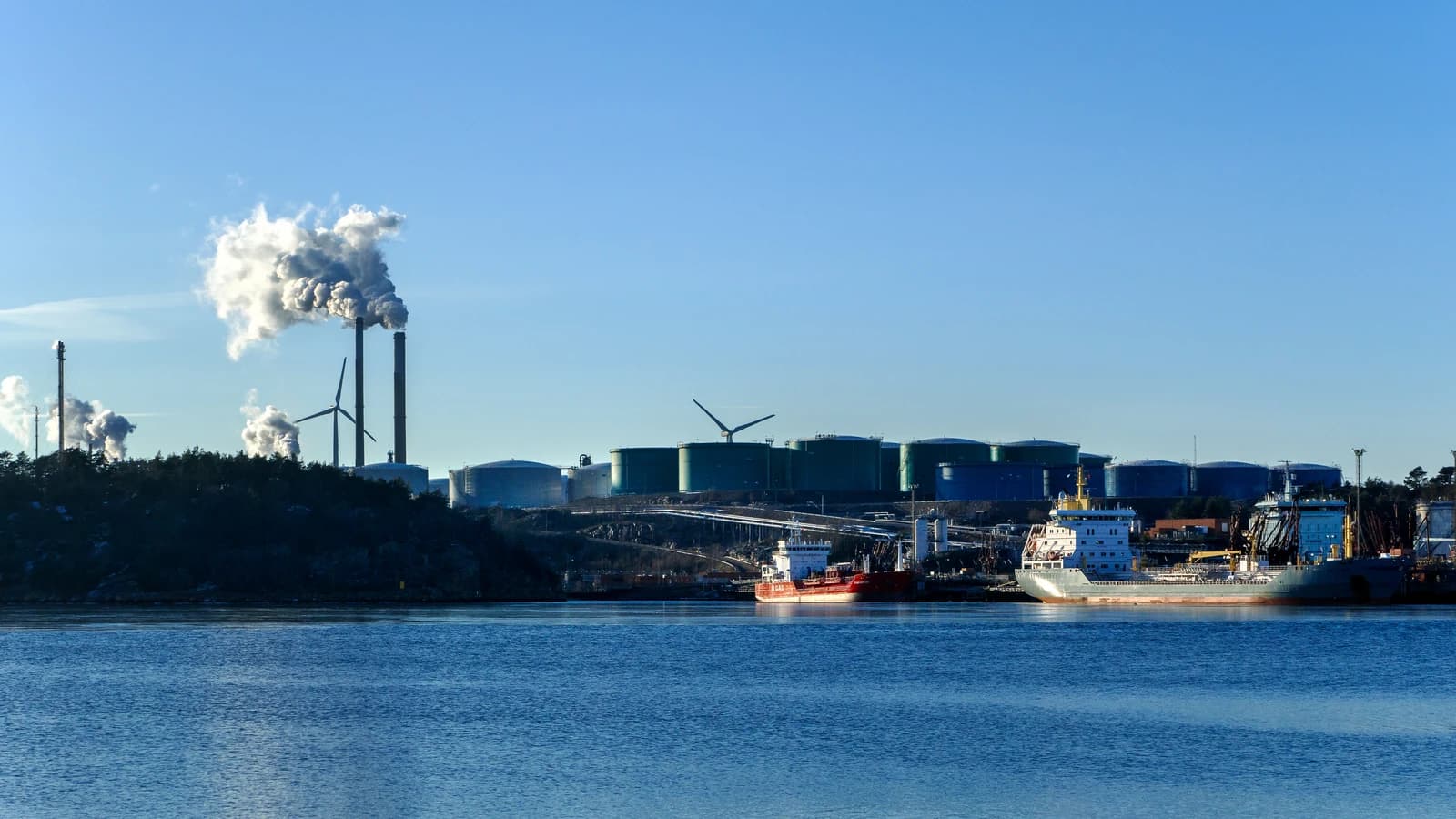
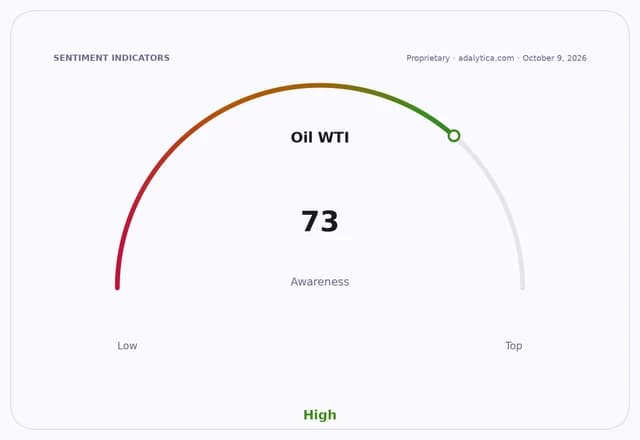
The immediate driver is geopolitics: renewed attacks around the Strait of Hormuz have pushed Brent and West Texas Intermediate sharply higher, reviving fears of supply disruption through the world’s most important crude transit lane. Brent has been quoted in the low $100s in the supplied context, while WTI has traded in the high $90s and near $100 on some sessions, levels that tend to feed quickly into gasoline, diesel and freight costs.
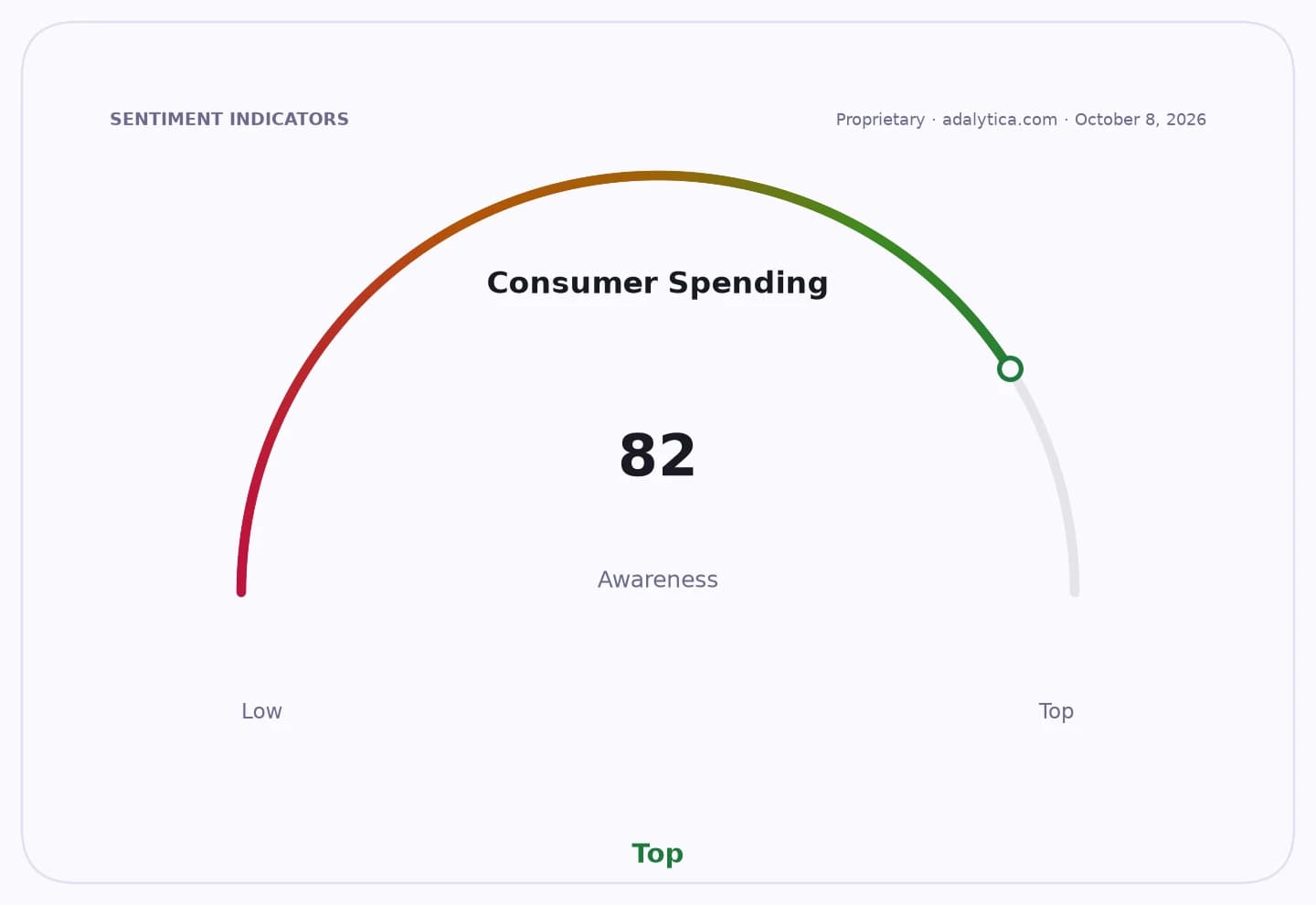
Sentiment IndicatorsⓘProprietary · adalytica.com · October 9, 2026
This is a snapshot — live sentiment, awareness and momentum for 130+ markets update continuously in the dashboard.Open AlphaPulse

That matters for the macro economy because energy is one of the few inputs that can reprice instantly across households and industries. Higher crude raises the odds of firmer inflation readings, reduces consumer discretionary income and complicates central bank policy at a time when US 10-year Treasury yields are already around 5.3%, a level that keeps financing costs elevated for autos, leasing and consumer credit.
For investors, the read-through is less straightforward than a simple “high oil helps EVs” trade. Tesla benefits if consumers view electric vehicles as a hedge against fuel volatility, but it also faces the broader hit to demand from tighter household budgets and still-high borrowing costs. Tesla shares recently traded around $382.70, above their 50-day moving average but still below the 200-day line, with RSI in mid-range territory, suggesting momentum has improved without reaching the kind of overbought extremes seen during prior rallies.
The bull case for Tesla is that oil shock psychology can reinforce EV adoption, especially if fleet buyers and cost-sensitive households focus on total cost of ownership. The bear case is that gasoline prices are only one part of the affordability equation: auto loans remain expensive, EV pricing is still competitive-pressure driven, and a broad oil-led inflation impulse could keep rates higher for longer.
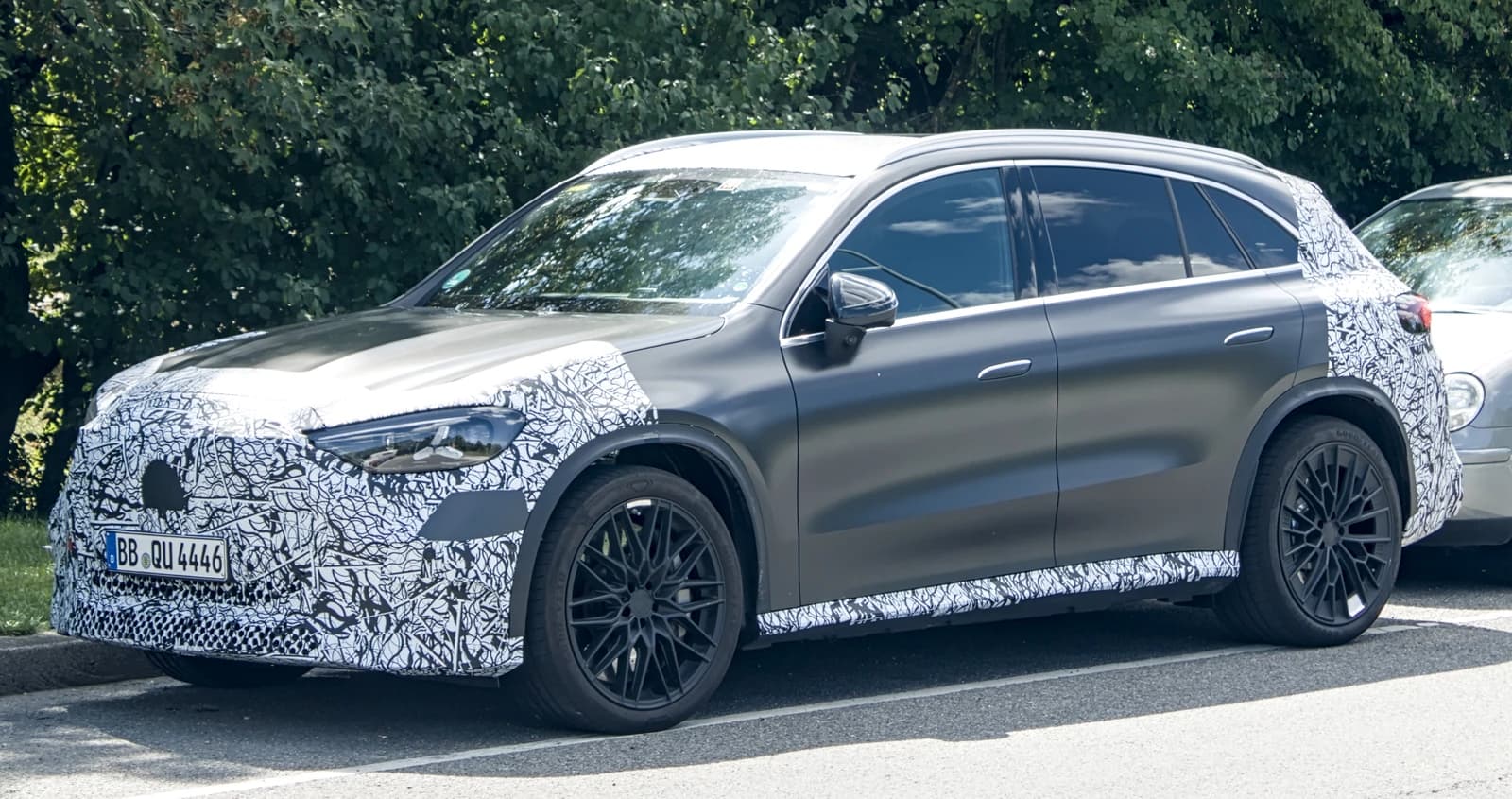
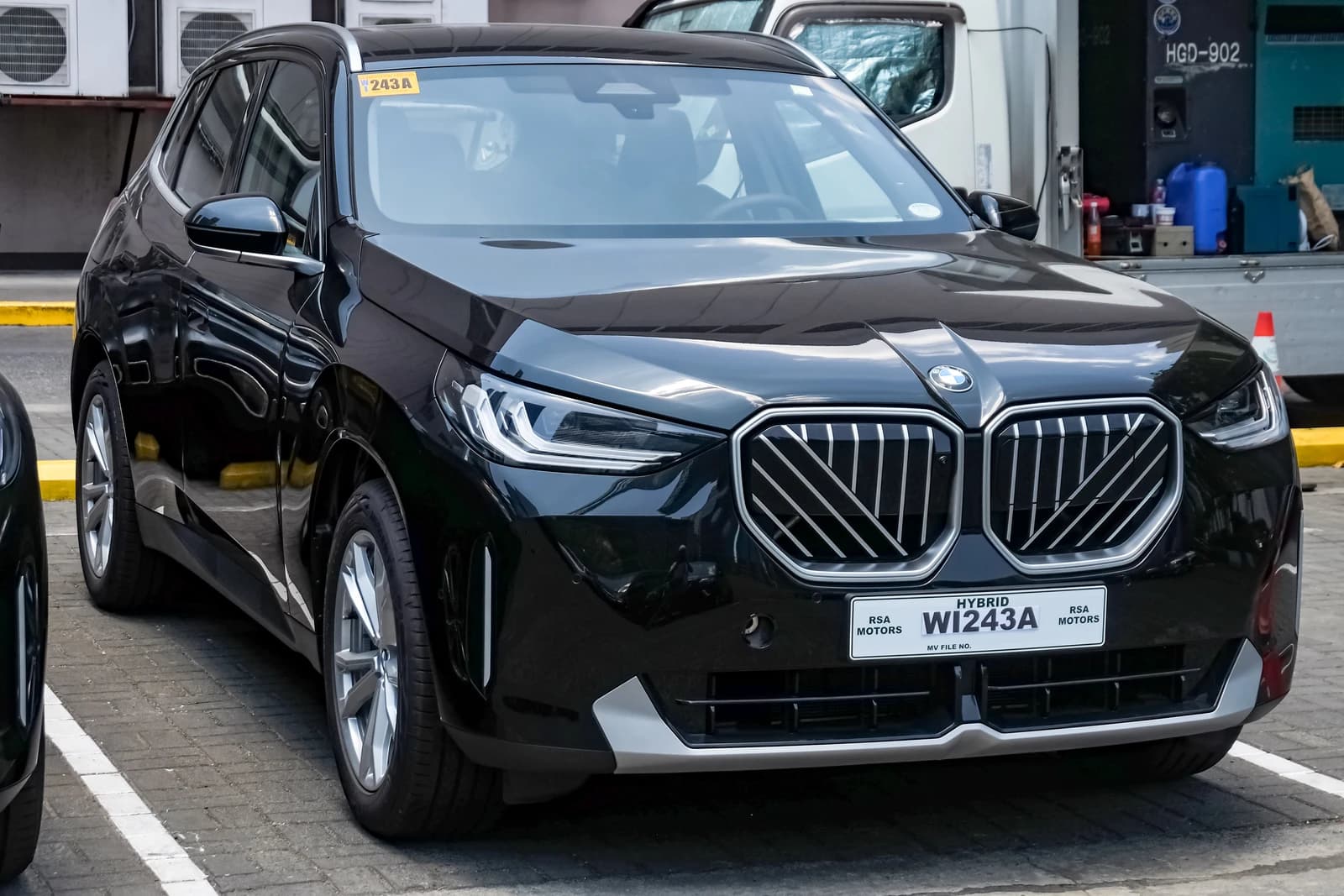
The pressure runs differently through Volkswagen’s Audi Q5, a model sitting on the more vulnerable side of any fuel-cost surge if consumers increasingly question large internal-combustion SUVs. Premium SUVs can still attract buyers because of brand, range and practicality, but the risk is that higher fuel and insurance costs push some demand toward hybrids, smaller crossovers or battery-electric alternatives. Volkswagen’s US-listed shares have been weak in the supplied data, with VWAGY recently trading around $7.64, far below its 200-day moving average and with a very low RSI, a technical setup that reflects deep pessimism rather than a clean valuation signal.
That divergence is what makes the story important. Brent’s move is not just an energy headline; it is a direct input into the relative economics of Tesla versus legacy premium auto makers and into whether consumers absorb another inflation shock. If crude stays elevated, Tesla could gain a narrative tailwind, but not necessarily enough to offset financing pressure. Audi and other combustion-heavy brands face a tougher mix if fuel costs stay high and buyers delay big-ticket purchases.
The next catalyst is whether the oil rally spreads from fear premium into actual shortages, and whether that forces another leg higher in inflation expectations. If the market concludes that the disruption is temporary, the impact on auto demand may fade. If not, the trade becomes less about one company and more about which automakers can sell mobility as affordability — not just as engineering.
| Entity | Gains | Losses |
|---|---|---|
| Tesla | ▲EV demand hedge narrative | ▼Higher borrowing costs |
| Audi Q5 / Volkswagen | ▲Premium SUV pricing power | ▼Fuel-cost-sensitive buyers |
| Oil producers | ▲Higher realized prices | ▼Demand destruction risk |
| Consumers / automakers | ▲— | ▼Inflation and margin pressure |