Ford Motor, General Motors and Stellantis are losing the fight for the U.S. customer at the exact moment hybrids are becoming the market’s preferred answer to expensive gasoline and stubbornly high borrowing costs.
Toyota, Honda, Hyundai gain U.S. share on hybrids
That matters because the third quarter showed a clear split in the auto market: buyers still have money, but they are voting for affordability and fuel savings, not the biggest trucks and SUVs Detroit depends on for margin. Total U.S. sales slipped only about 1% in the quarter, but the gains were concentrated in foreign brands with heavier hybrid lineups, while each of the Detroit Three posted year-over-year declines.
Sentiment IndicatorsⓘProprietary · adalytica.com · October 3, 2026
This is a snapshot — live sentiment, awareness and momentum for 130+ markets update continuously in the dashboard.Open AlphaPulse
The economic message is bigger than one quarter of dealer data. This is a K-shaped consumer market in plain sight. Wealthier households are still buying new vehicles, keeping overall sales from falling apart, but lower- and middle-income buyers are trading down, stretching out replacement cycles or heading to the used market. That leaves the industry at roughly 16 million annualized U.S. sales, below the pre-pandemic norm of about 17 million, and forces automakers to compete more aggressively on monthly payments and fuel economy.
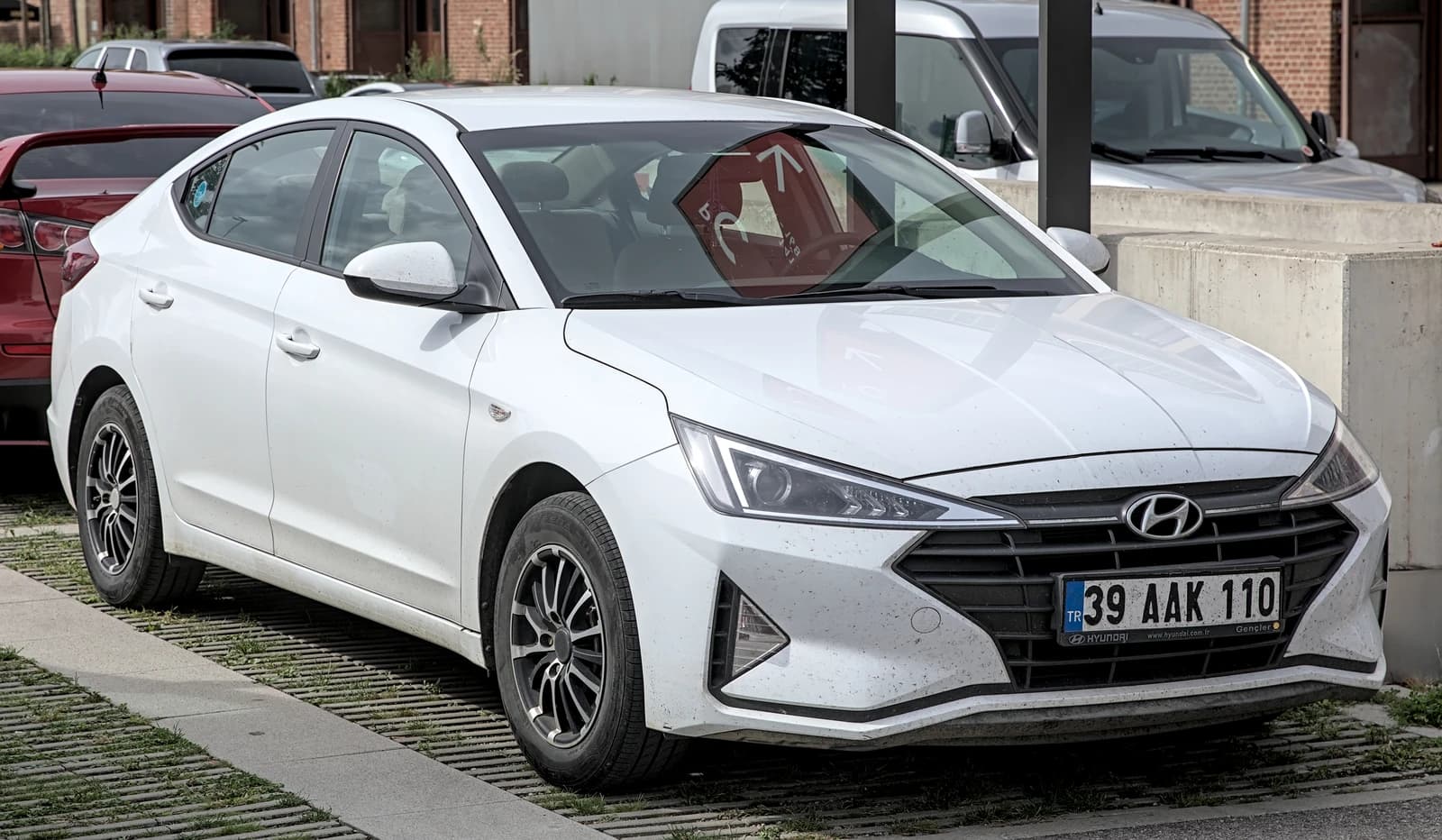
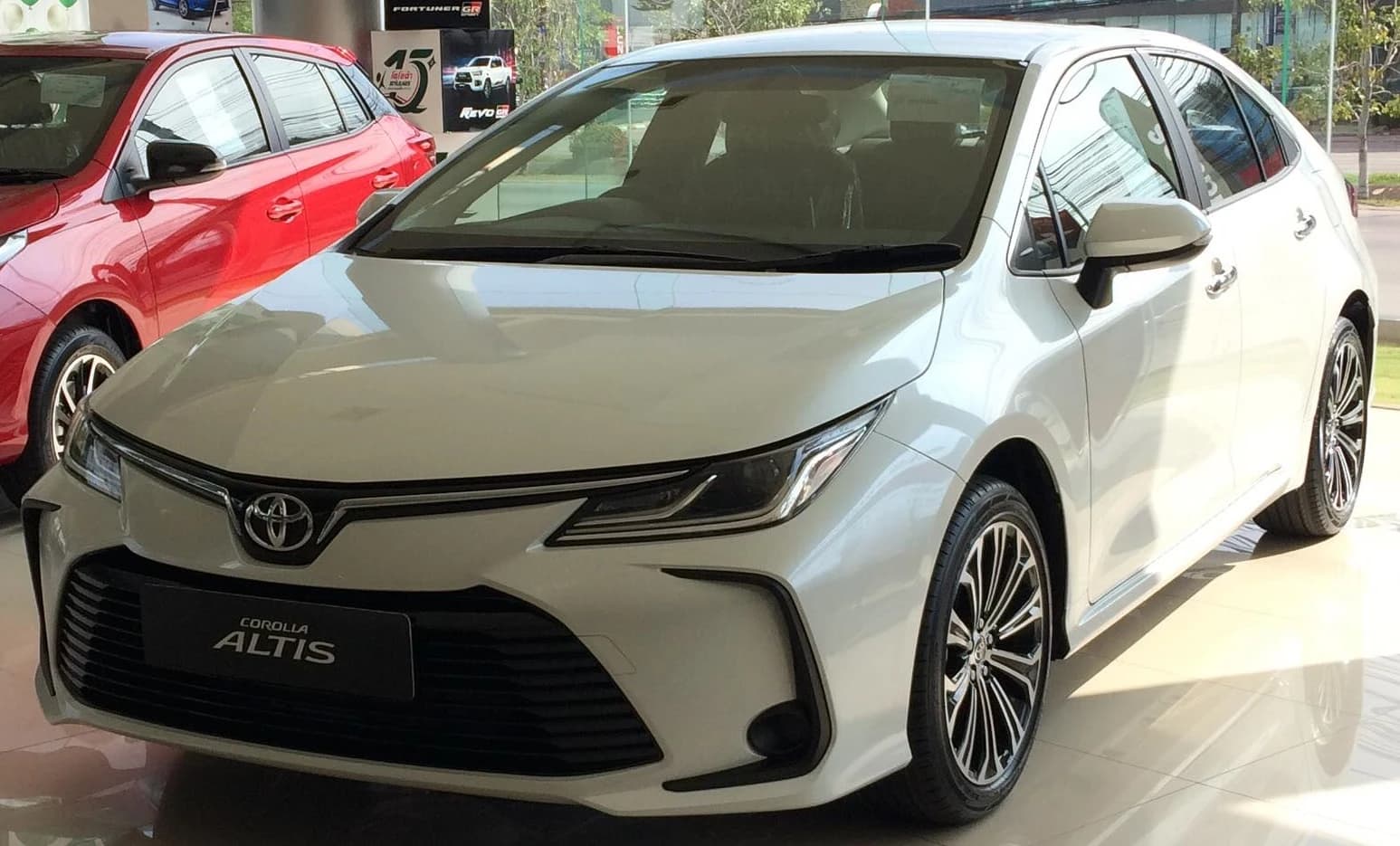
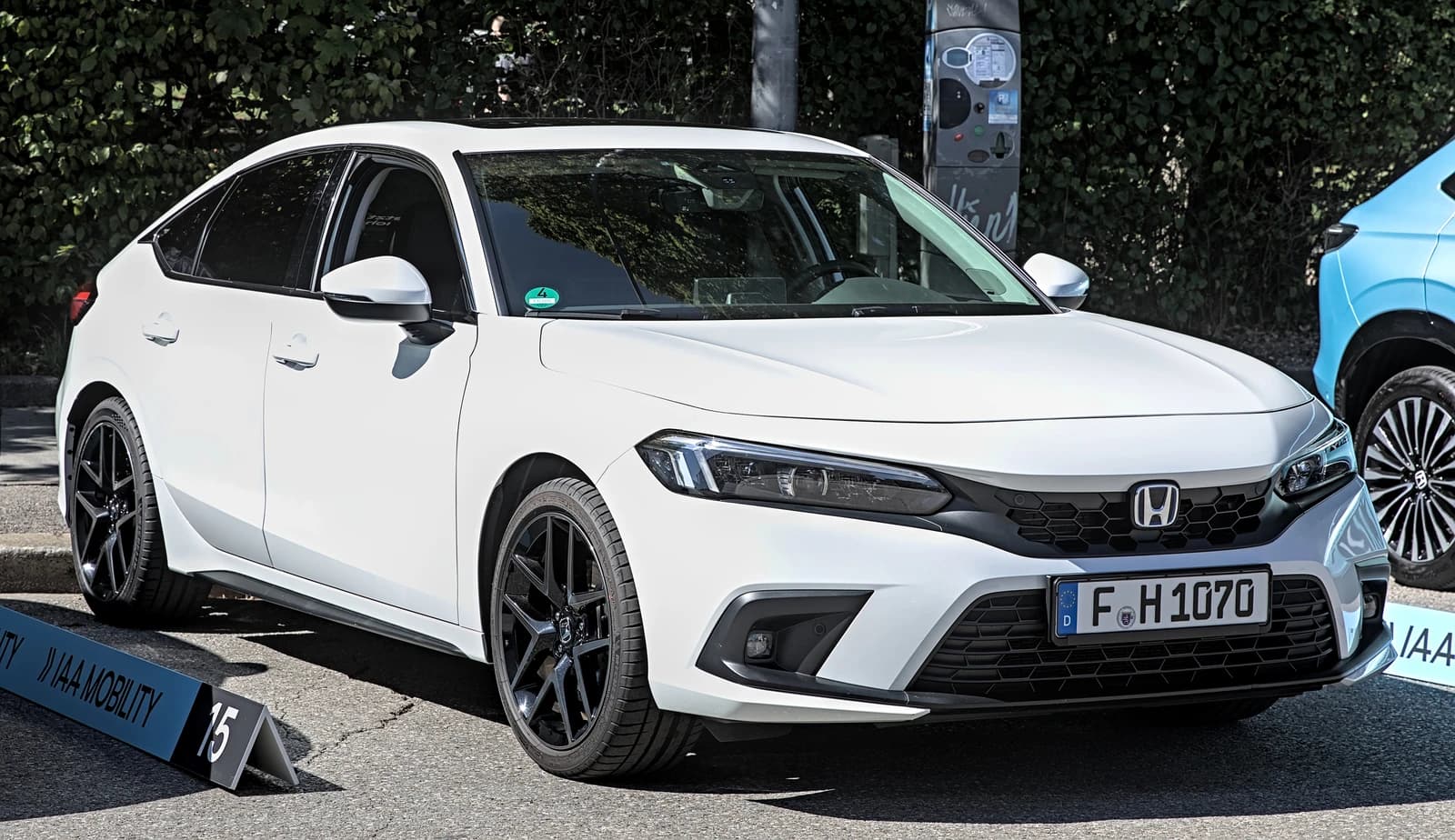
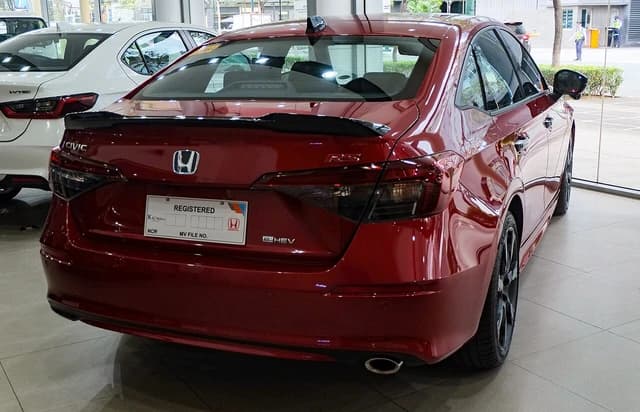
Toyota, Honda and Hyundai are the clearest winners from that shift. Toyota sold about 633,000 vehicles in the quarter, up 0.7% from a year earlier, with electrified models accounting for more than half of its sales. Honda posted the strongest growth among major automakers at 9.3%, helped by hybrid versions of core nameplates such as the Accord, Civic and CR-V. Hyundai also gained 5.4%. The common thread is simple: these companies are giving buyers a lower-cost route to better mileage without forcing them into a pure electric vehicle.
Detroit’s problem is not that trucks stopped selling. It is that trucks are no longer enough. GM remained the top-selling U.S. automaker at 670,000 units, but sales fell about 5.5% from a year earlier. Ford dropped 6.6% to about 510,000 units, while Stellantis was essentially flat at 324,277. The Detroit Three still lean heavily on high-priced full-size pickups and SUVs, where average transaction prices remain well above $50,000, compared with under $40,000 for Honda and Hyundai. In a market where affordability is becoming the decisive factor, that mix is a handicap.
Hybrids are where the pressure is showing up first. Industry analysts say hybrid sales have been running above 200,000 units a month, and they made up 15.7% of all new U.S. vehicles in August, near a record high. That is the kind of inflection point investors should pay attention to: not a temporary fuel-price spike, but a durable consumer preference shift driven by economics. Gas prices remain well above pre-war levels, interest rates are still biting, and buyers are looking for vehicles that can soften both shocks.
For investors, the implication is straightforward. The market underestimates how much profit mix can change when consumers start optimizing for payment and pump price at the same time. Ford’s Maverick Hybrid posted its best-ever third quarter, and Stellantis found lift from the Jeep Cherokee Hybrid, but these are still isolated bright spots rather than the core of their portfolios. GM has no mass-market hybrid to speak of, leaving it exposed if the current preference shift proves sticky. Toyota and Honda, by contrast, are better positioned to harvest share without abandoning profitability.
The next catalyst is whether elevated fuel prices and a softer labor market keep pushing buyers toward hybrids into year-end. If they do, the winners will be the automakers with broad hybrid offerings and lower price points, not the ones relying on the most expensive metal on the lot. For now, the message is clear: Detroit is still selling trucks, but foreign rivals are selling the market’s direction.
| Entity | Gains | Losses |
|---|---|---|
| Toyota, Honda, Hyundai | ▲Share gains from hybrids | ▼Less exposure to U.S. affordability pressure |
| Ford, GM, Stellantis | ▲Truck profit centers | ▼Market share as buyers trade down |
| Hybrid buyers | ▲Lower fuel and payment burden | ▼None meaningful |
| Gasoline-heavy full-size SUVs/pickups | ▲Strong niche demand | ▼Broader consumer preference shift |