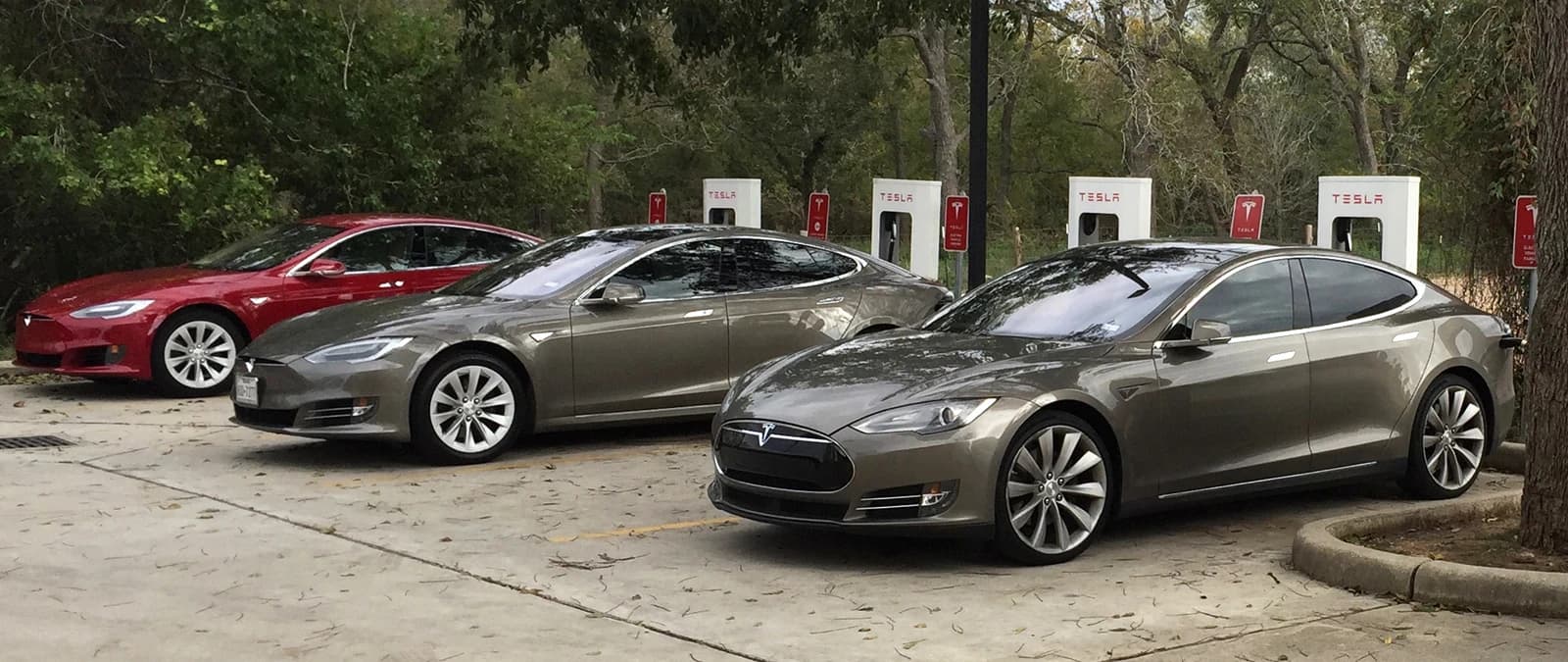
Tesla has displaced Ferrari from Australia’s luxury-car hierarchy, underscoring how fast the electric-vehicle maker is converting brand recognition and product availability into market share even as higher borrowing costs and uneven consumer demand weigh on the broader auto sector.
Tesla passes Ferrari in Australia luxury cars
The shift matters because it is not just a vanity metric. Ferrari’s retreat from the top of the Australian luxury market signals how pricing power, product mix and buyer preferences are being reordered in one of the most affluent car markets in the Asia-Pacific region. For investors, it reinforces that Tesla’s demand base remains resilient enough to pressure premium incumbents, while traditional luxury makers face a harder sell when battery-electric models compete on performance, tech and running costs.
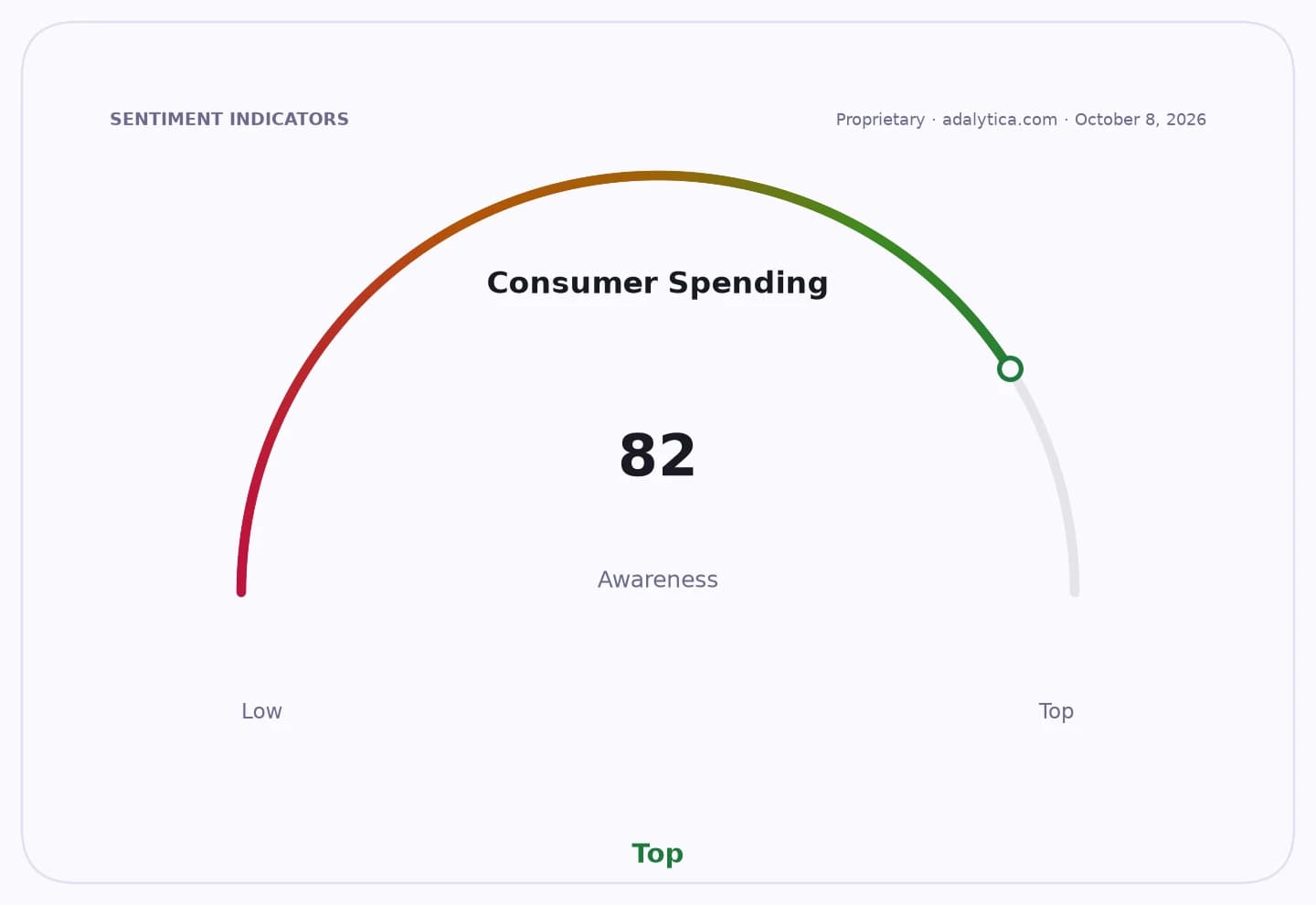
Sentiment IndicatorsⓘProprietary · adalytica.com · October 8, 2026
This is a snapshot — live sentiment, awareness and momentum for 130+ markets update continuously in the dashboard.Open AlphaPulse
Tesla shares were little changed in recent trading, with the stock at $377.81 on Oct. 7, still above its 50-day moving average of $351.73 but below its 200-day average of $391.67. Ferrari traded at $386.39, also below its 50-day average of $408.33 and far under its 200-day level of $365.73, suggesting both names are being priced with different assumptions about growth and margin durability. Tesla’s recent run has been supported by improving momentum readings, with RSI at 57.5 and MACD above its signal line, while Ferrari’s RSI at 28 points to a far weaker near-term technical backdrop.
The Australian crossover is especially telling because it comes at a time when macro conditions are hardly easy for vehicle buyers. The US 10-year Treasury yield was around 5.27% on Oct. 6, a reminder that financing costs remain elevated globally, and Brent-linked oil prices were near $96 a barrel, keeping fuel savings part of the EV pitch. Yet Tesla has still been able to outpace an icon of internal-combustion exclusivity. That suggests buyers are increasingly treating EVs not as compromise products but as status goods in their own right.
It also helps explain why Tesla has been the more market-relevant luxury name for investors this year. The company’s shares have outperformed Ferrari’s since late summer, even after a volatile stretch that left Tesla below its 200-day moving average for much of the second quarter. Ferrari, by contrast, has seen its stock slip from an August peak near $436, a sign that even a scarce, high-margin brand is not immune to investor concern when growth slows and premium demand becomes more cyclical.
The broader auto backdrop remains mixed. Toyota was trading at $182.91, below both its 50-day and 200-day averages, while the wider S&P 500 was still flashing extreme-greed readings in Adalytica’s trade-signal gauge. That combination points to a market that is willing to reward winners with visible demand momentum, but less forgiving of legacy manufacturers whose electrification strategies are still catching up.
For Tesla, the Australian ranking is another data point in a global argument that its brand remains powerful enough to compete above the mass market and increasingly inside the prestige segment. For Ferrari, it is a warning that prestige alone does not guarantee leadership when wealthy consumers can buy performance, software and novelty in a package that also carries lower operating costs. The next test is whether Tesla can turn that kind of symbolic victory into sustained volume without sacrificing margins, while Ferrari proves it can defend exclusivity in a market where the definition of luxury is changing.
| Entity | Gains | Losses |
|---|---|---|
| Tesla | ▲Luxury-market share | ▼Ferrari’s ranking |
| Ferrari | ▲Brand visibility | ▼Top Australian luxury spot |
| EV buyers | ▲Lower running costs | ▼ICE incumbents |
| Legacy automakers | ▲— | ▼Prestige demand share |