Pakistan’s car market is increasingly being shaped by a simple calculation: buyers are trading up or down based on fuel costs, financing pressure and resale value, with Toyota models and other efficiency-led cars remaining central to demand.
Pakistan Auto Market Favors Toyota and Fuel-Efficient Cars
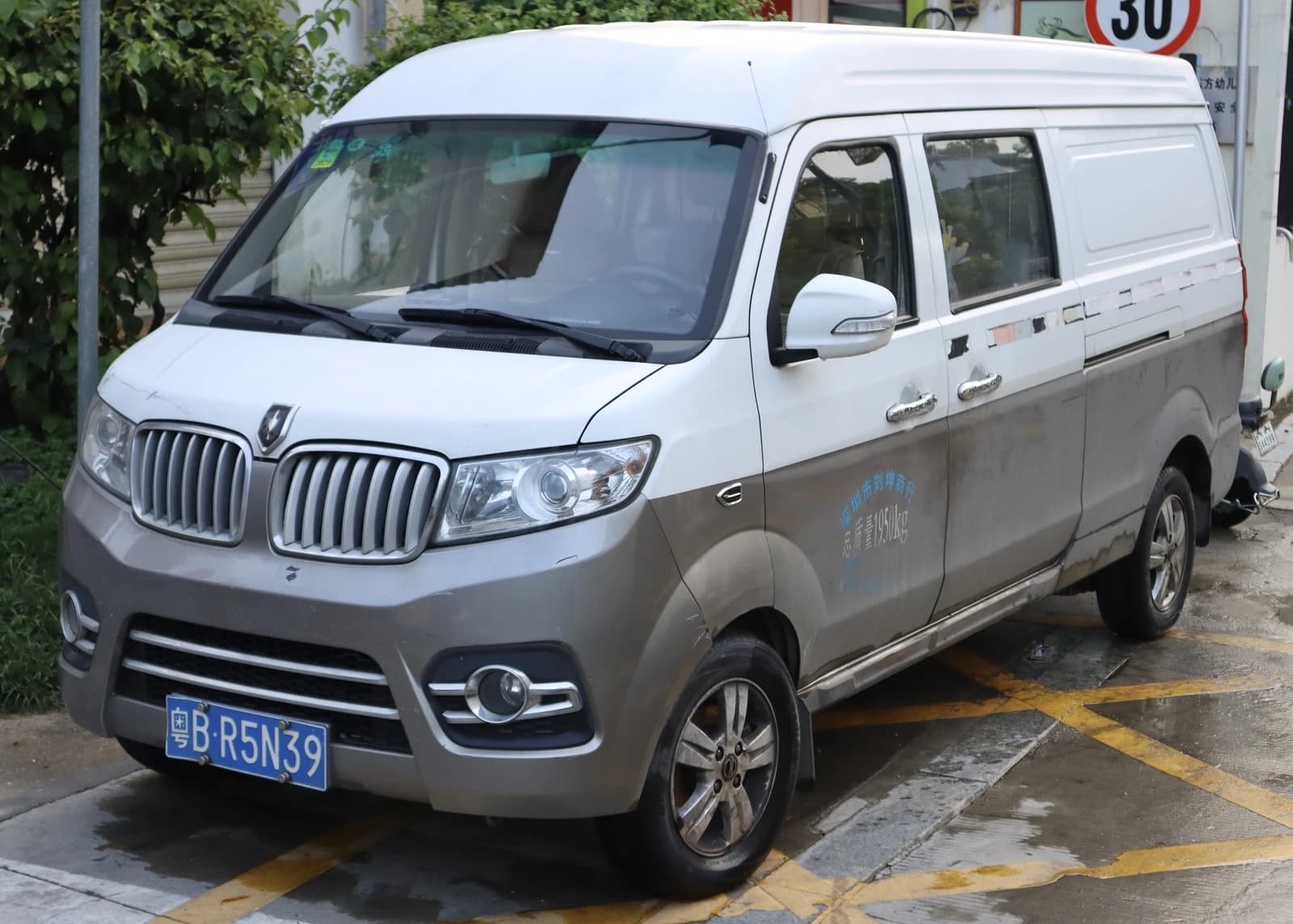
That matters because auto pricing is one of the clearest real-time gauges of consumer purchasing power in Pakistan, where higher fuel bills and tight household budgets have pushed buyers toward smaller sedans, hybrids and lower-cost imports. The models in focus — including the Toyota Corolla Altis X Manual 1.6 2021, Toyota Corolla XLi Automatic, BMW 3 Series 330e, Audi A4 1.4 TFSI, Honda BR-V i-VTEC MT, Suzuki Cultus VXR, Jinbei X30L 2021 and Daehan Shehzore 2.6 — span the market from mass-market commuters to premium and commercial vehicles, showing how demand is sorting itself into distinct affordability bands.
Sentiment IndicatorsⓘProprietary · adalytica.com · October 4, 2026
This is a snapshot — live sentiment, awareness and momentum for 130+ markets update continuously in the dashboard.Open AlphaPulse
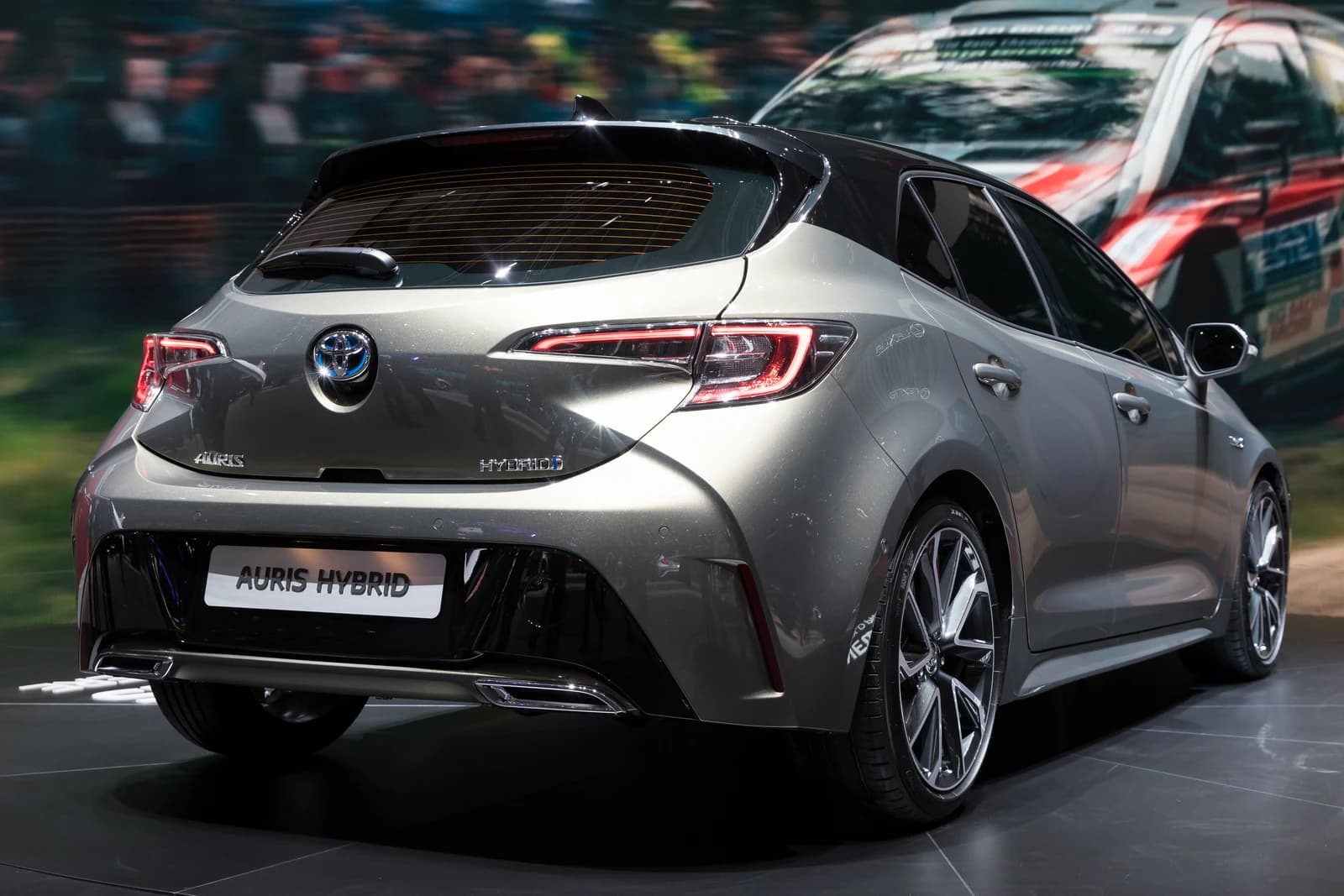
Toyota remains the anchor brand in this environment. In Pakistan, a Toyota Corolla 2024 is listed at PKR 6,169,000, while a Toyota Aqua 2022 is priced at PKR 4,500,000 and a Toyota Hilux 2024 at PKR 16,149,000, underscoring how even used and lower-displacement models command strong attention when buyers prioritize reliability and fuel efficiency. That resilience is consistent with broader market trends, where used-car demand has been strongest for fuel-sipping and hybrid models, while imported cars have been losing some price power.
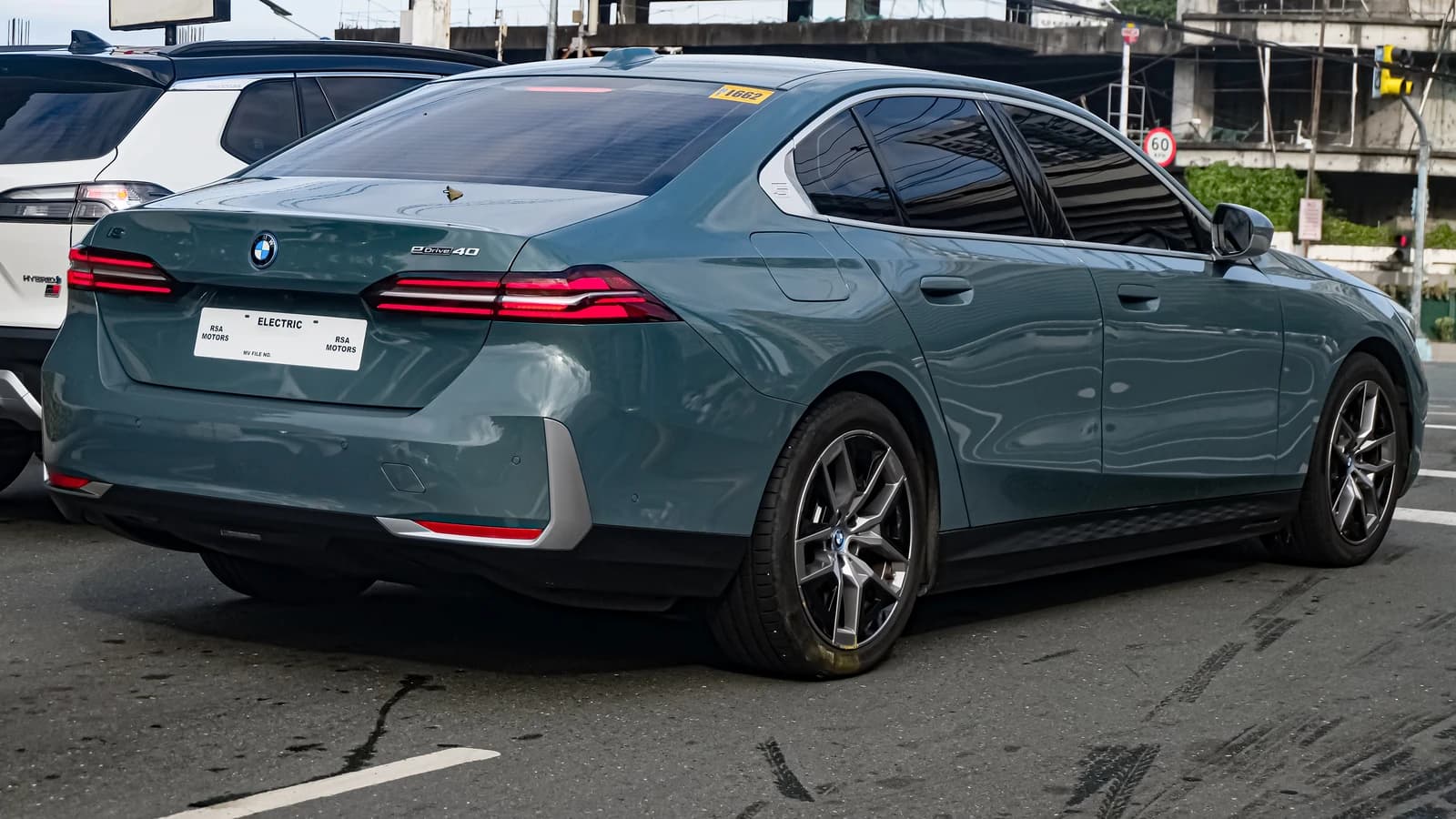
The premium end tells a different story. Vehicles such as the BMW 3 Series 330e and Audi A4 1.4 TFSI are more exposed to currency swings, import costs and financing conditions, which tend to pressure discretionary purchases first when household budgets are stretched. Hybrids and electrified models may still attract interest, but mainly from buyers who are trying to reduce operating costs rather than make a status-driven upgrade.
Commercial vehicles such as the Jinbei X30L 2021 and Daehan Shehzore 2.6 point to another layer of the market: small businesses and traders looking for transport capacity at a tolerable cost. In a high-inflation environment, those buyers often delay replacement cycles, but when they do purchase, they tend to favor vehicles that can preserve margins through lower fuel usage or stronger utility value.
The broader implication for investors and automakers is that pricing power is becoming more fragmented. Mass-market brands with strong resale values and efficient drivetrains have a better chance of holding demand, while imported premium nameplates and higher-running-cost vehicles face a tougher backdrop. That same dynamic is visible globally, where automakers are responding to fuel-price sensitivity and shifting consumer preferences by adjusting pricing, trimming discounts or pushing hybrids and EVs.
For Pakistan’s auto market, the near-term watchpoint is whether affordability deteriorates further or stabilizes enough to revive broader demand. If fuel prices stay elevated and credit remains tight, the value end of the market should continue to outperform, with Toyota and other efficiency-focused models retaining an edge over larger, more expensive imports.
| Entity | Gains | Losses |
|---|---|---|
| Toyota Corolla / Toyota Aqua buyers | ▲Lower running costs, stronger resale | ▼Limited upgrade affordability |
| Premium import buyers | ▲Access to hybrid tech | ▼Higher currency and financing pressure |
| Used-car dealers in efficient models | ▲Steady demand | ▼Margins on imported cars |
| Small business owners buying vans/pickups | ▲Utility at lower fuel cost | ▼Delayed replacement cycles |