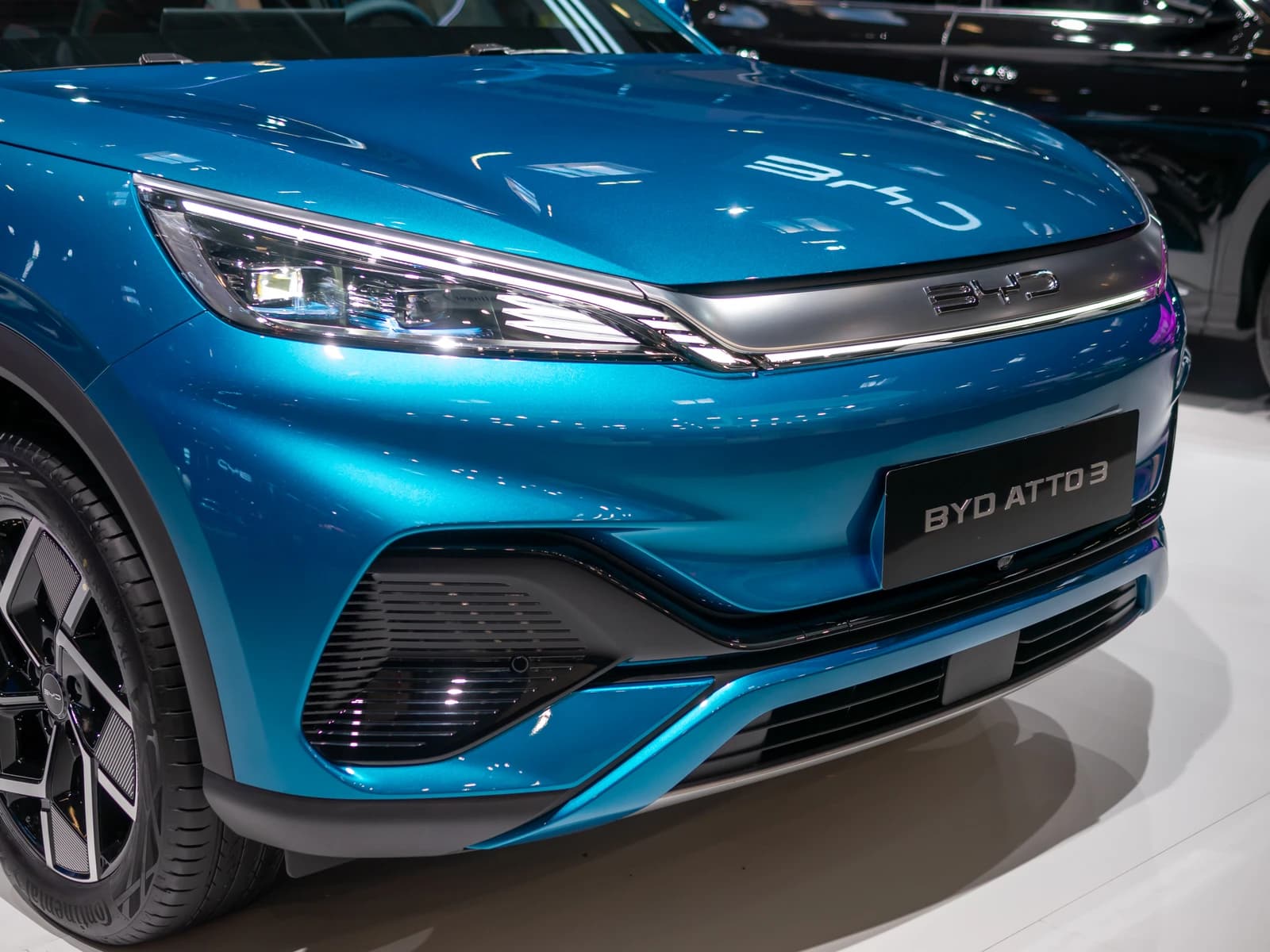
BYD is trying to prove it can win Australian buyers without training them to expect permanent discounting, even after slashing the price of its new Atto 1 EV to $19,990 drive-away and making it the cheapest new car on sale in the country.
BYD Atto 1 Cut to $19,990 in Australia
That matters because Australia’s EV market is still being shaped as much by pricing psychology as by demand. A short-lived promotion can pull in volume and help BYD build share, but repeated cuts would risk weakening resale values, unsettling fleet buyers and damaging the brand’s long-term economics. BYD Australia chief operating officer Stephen Collins is drawing a line between tactical campaigns and a broader price war, saying the Atto 1 deal runs only until mid-December and that the company has not been routinely cutting recommended retail prices.
Sentiment IndicatorsⓘProprietary · adalytica.com · October 3, 2026
This is a snapshot — live sentiment, awareness and momentum for 130+ markets update continuously in the dashboard.Open AlphaPulse

The distinction is important for the industry because residual values sit at the heart of whole-of-life cost calculations, especially for fleets and leasing companies. If a manufacturer conditions the market to expect constant discounts, the immediate sales boost can be offset by lower second-hand values, higher lease costs and more cautious procurement. For a brand still building trust in a competitive market, protecting resale value is not a branding exercise; it is a pricing strategy that determines whether growth is durable or merely promotional.
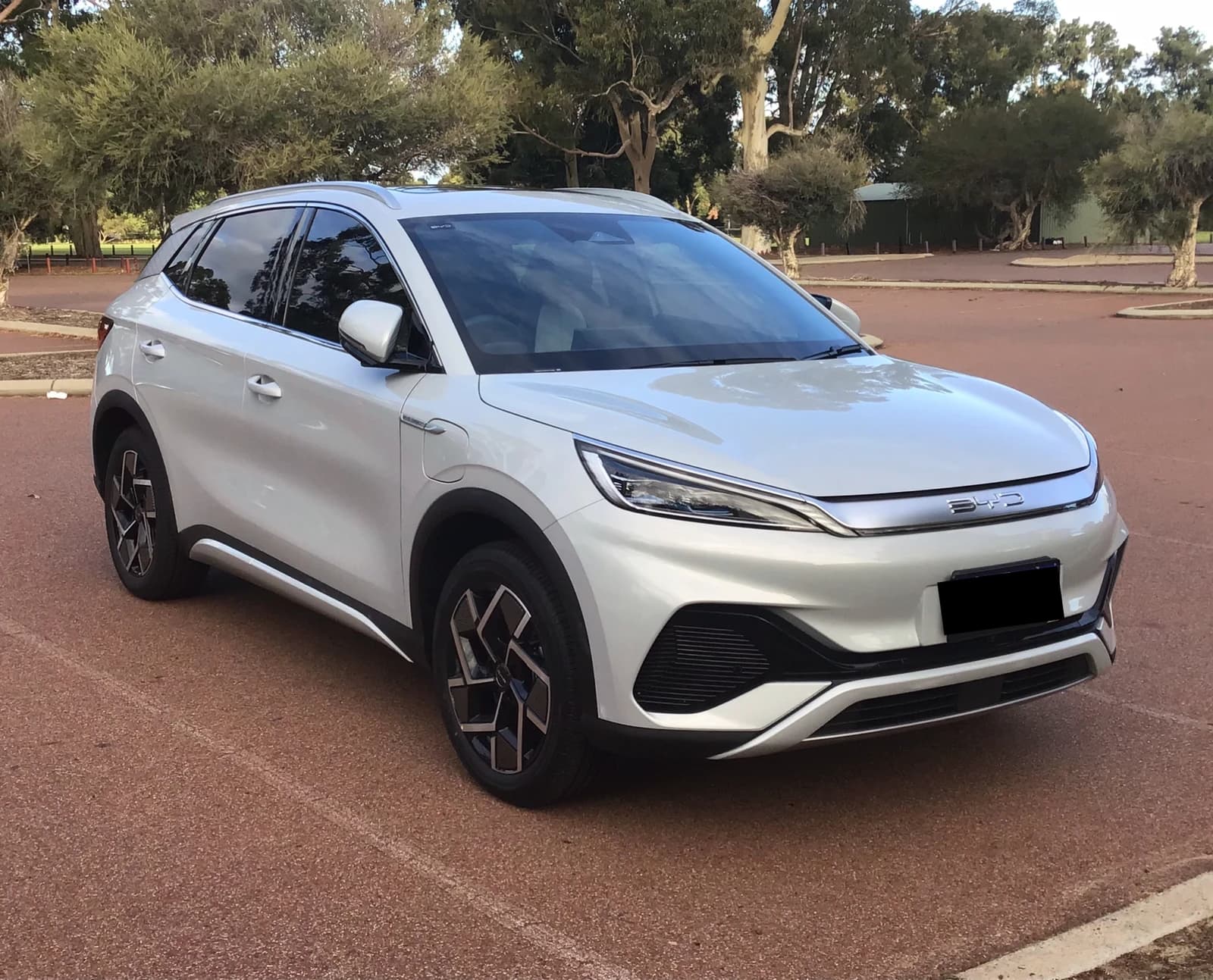
BYD’s message also reflects how its Australian distribution model has changed. Under EVDirect, the brand had a history of moving prices and running aggressive deals, including multiple price changes on the Atto 3 in 2024. Since BYD took direct control of the brand in July 2025, Collins said price changes have been limited to model updates, with campaigns and finance offers used instead of broad RRP reductions. That is designed to reassure buyers that the brand is not about to chase volume at any cost.
For investors, the story is less about one cheap EV than about whether BYD can expand in export markets without eroding its own economics. A deep discount can support near-term unit sales and help BYD undercut rivals such as Geely, MG and Chery, but the bear case is that it compresses margins, weakens used-car values and invites a race to the bottom in a market where EV demand is still price-sensitive. The bull case is that BYD is using a limited-time entry offer to seed the market, bring in first-time buyers and keep optionality on pricing while protecting the brand ladder above it.
The Atto 1 promotion ends in mid-December, but the broader test will be whether BYD can keep launching highly competitive models, such as the Atto 2 DM-i at $24,990 plus on-road costs, without leaning on repeated headline cuts. If it succeeds, BYD can gain share while preserving residuals and fleet confidence. If it does not, Australia could become another market where low-price EV competition turns into margin pressure rather than lasting brand strength.
| Entity | Gains | Losses |
|---|---|---|
| BYD | ▲Near-term volume, market share | ▼Margin discipline if cuts spread |
| Fleet buyers/leasing firms | ▲Lower upfront costs | ▼Residual-value risk if discounts repeat |
| Rival EV makers | ▲Harder pricing benchmark | ▼Share pressure from cheap BYD models |
| Existing BYD owners | ▲Stable resale values if cuts stay limited | ▼Value erosion if discounting broadens |