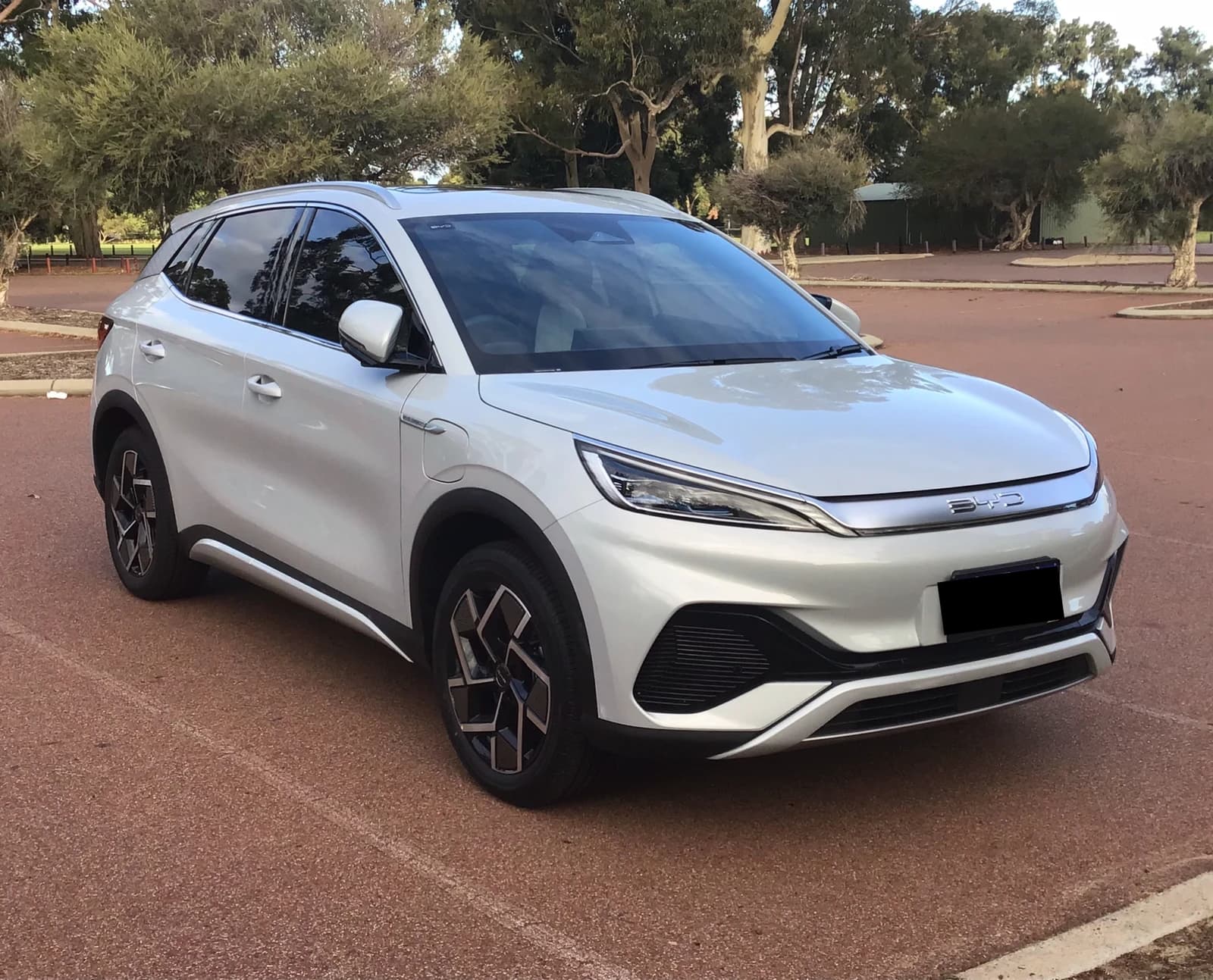
BYD’s new plant in Subang has already begun chipping away at a production obligation tied to nearly 100,000 imported electric vehicles, with 24,877 cars built in Indonesia over five months and 67,123 units still to go.
BYD Indonesia plant reduces import-linked output gap
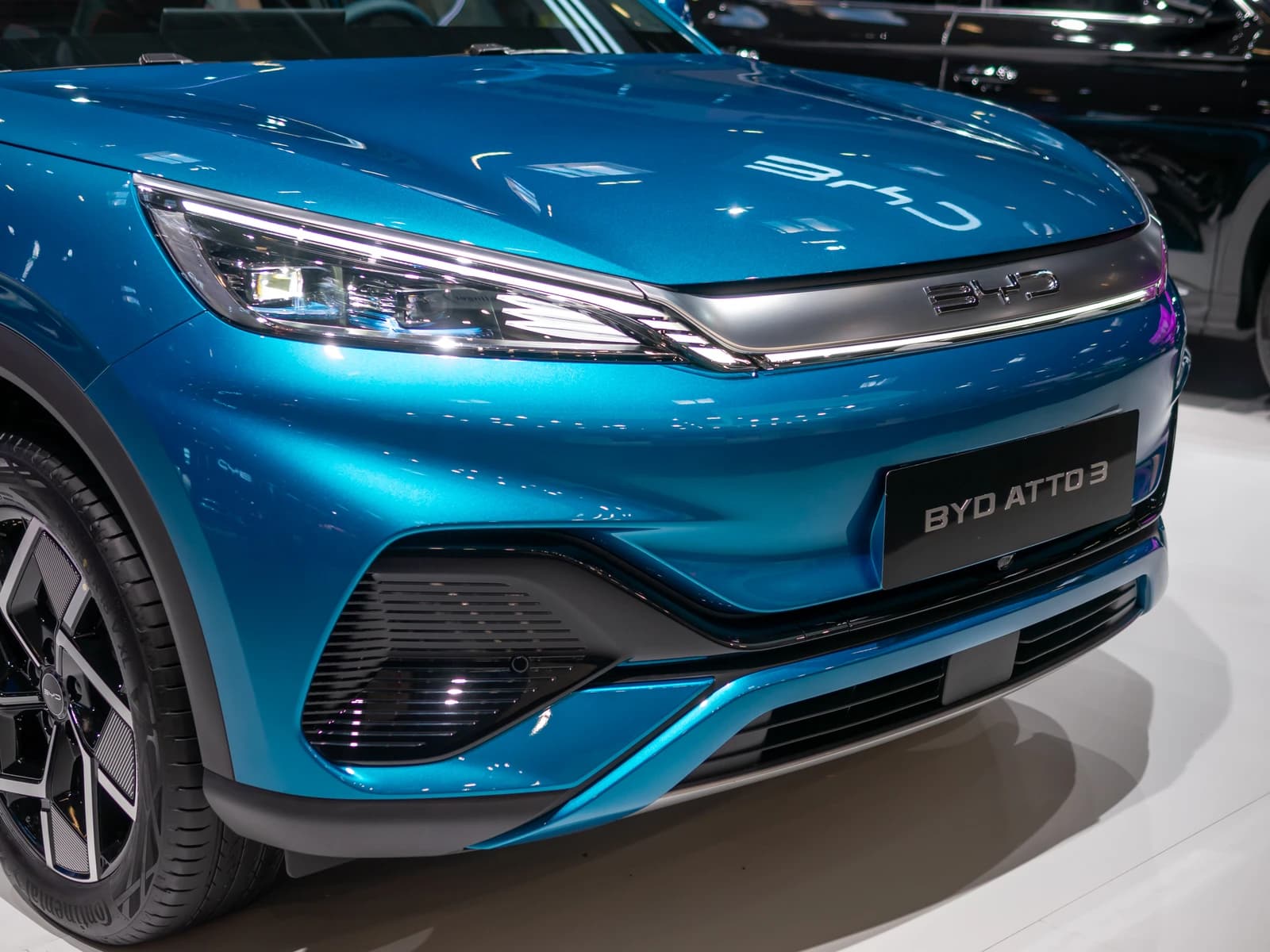
The pace matters because Indonesia’s EV incentive regime requires foreign automakers that import cars under tax breaks to later match those volumes with local production. For BYD, that means every unit assembled in the country reduces a deferred manufacturing commitment, a test of whether one of China’s fastest-growing EV brands can convert imported market share into a durable local footprint.
Sentiment IndicatorsⓘProprietary · adalytica.com · October 3, 2026
This is a snapshot — live sentiment, awareness and momentum for 130+ markets update continuously in the dashboard.Open AlphaPulse
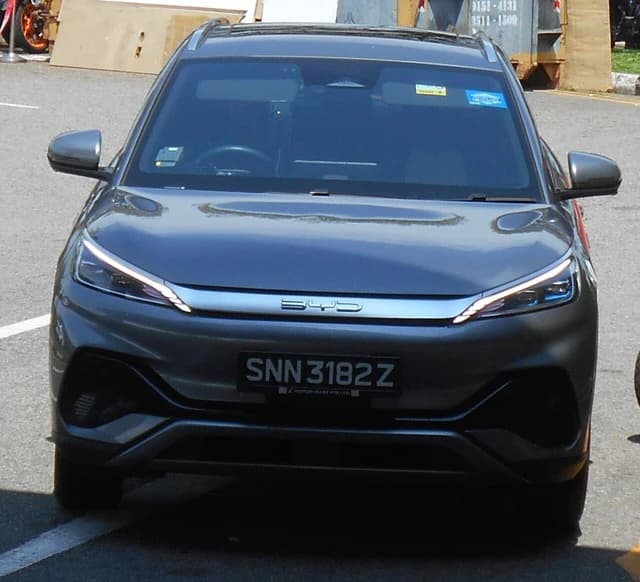
BYD Motor Indonesia said it has so far imported 92,000 vehicles out of a 100,000-unit quota and is now expected to complete the domestic production requirement over the next two years. Luther Panjaitan, the company’s head of public and government relations, said sales trends remain strong enough to support meeting the target.
Gaikindo data show the Subang factory, which officially started operating in April 2026, produced just 198 vehicles in its first month, before output accelerated to 9,736 units in August. The five-month total points to a steep ramp-up, but also leaves a meaningful backlog that BYD must clear to satisfy local-content and investment commitments.
For investors, the story is less about the remaining tally than about execution risk and policy compliance in Southeast Asia’s biggest EV market. A successful scale-up could strengthen BYD’s regional cost base and help defend margins as competition intensifies, while any slowdown would leave the company exposed to reputational and regulatory pressure in a market that has become central to its overseas expansion.
BYD shares traded at $9.44 in the latest session, below their 50-day and 200-day moving averages, with RSI readings indicating a weaker near-term technical setup. The stock has also come under pressure as the broader market remains unsettled by shifting rate expectations and a weaker U.S. dollar backdrop.
The next catalyst is whether BYD can keep Indonesian output rising fast enough to eliminate the 67,123-unit gap without sacrificing quality or inventory discipline.
| Entity | Gains | Losses |
|---|---|---|
| BYD | ▲Local market access | ▼Production backlog |
| Indonesian government | ▲EV investment | ▼Policy enforcement risk |
| Consumers | ▲More local EV supply | ▼None |
| Rivals | ▲None | ▼Share pressure from BYD |