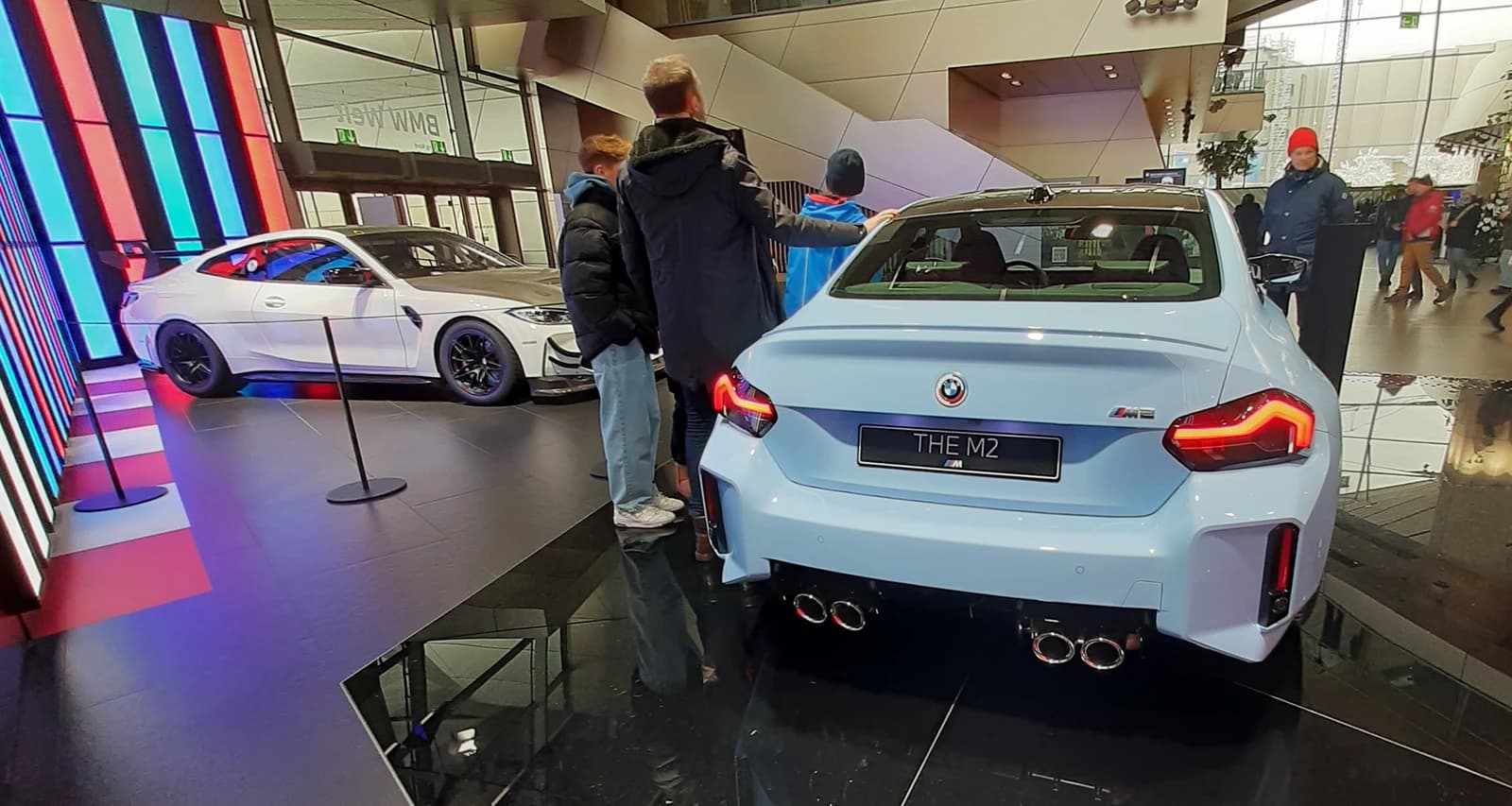
Indonesia’s push to ratify a trade pact with the European Union could make BMW, Mercedes-Benz and Volkswagen cars cheaper in one of Southeast Asia’s most important auto markets, a change that would matter less for sticker prices than for who gets access to a bigger customer base.
Indonesia EU pact could cut BMW car tariffs

The reason is straightforward: under the Indonesia–EU Comprehensive Economic Partnership Agreement, tariffs on European goods could fall to near zero, including for vehicles assembled locally under completely knocked down, or CKD, schemes. For German automakers, that is the kind of policy shift that can unlock demand in a market where imported premium cars have long been held back by taxes and duties.
Sentiment IndicatorsⓘProprietary · adalytica.com · October 3, 2026
This is a snapshot — live sentiment, awareness and momentum for 130+ markets update continuously in the dashboard.Open AlphaPulse
That makes the agreement economically significant beyond the showroom floor. Lower trade barriers can support more vehicle sales, help European brands compete more effectively against Japanese and other rivals, and encourage local assembly investment if the tariff structure rewards CKD production. For Indonesia, it is also a way to deepen manufacturing ties with Europe while signaling that the country wants more high-value foreign investment.
For investors, the key point is that this is a margin-and-volume story, not just a consumer story. BMW AG, Mercedes-Benz parent Mercedes-Benz Group and Volkswagen Group stand to gain the most if lower duties translate into stronger Indonesian demand without forcing them into deep price cuts. Local distributors and dealerships could benefit too, though the biggest upside would likely come from brands that already have a foothold and can scale distribution quickly.
The move also fits a broader pattern in the global auto industry: companies are looking for growth where policy can still reshape demand. With supply chains under pressure and the electric transition still uneven across markets, trade agreements have become an important way for automakers to protect market share and improve competitiveness.
For long-term investors, the implication is simple. If the CEPA is finalized and implemented as described, Indonesia could become a more attractive growth pocket for European premium carmakers. It is worth watching, especially for investors focused on global autos, consumer demand in emerging markets and the payoff from trade liberalization.
| Entity | Gains | Losses |
|---|---|---|
| BMW, Mercedes-Benz, Volkswagen | ▲Lower tariffs, more sales | ▼Pricing power on imports |
| Indonesian buyers | ▲Cheaper premium cars | ▼Less protection for rivals |
| Local CKD assemblers | ▲More assembly activity | ▼Higher competition |
| Japanese auto brands | ▲— | ▼Market share pressure |