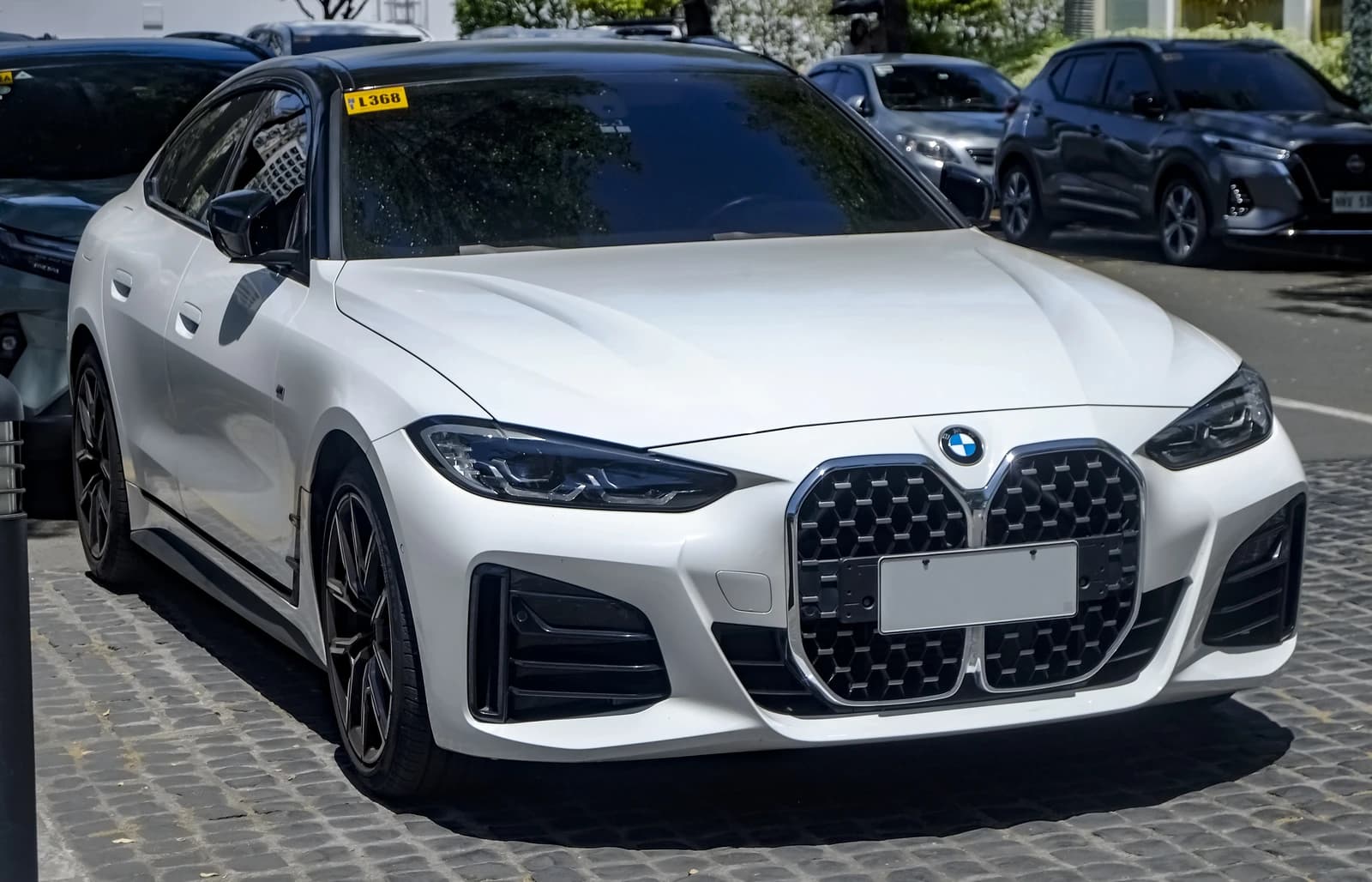
BMW is widening its high-end push in Vietnam with four M performance models and a stronger emphasis on customization, a move that should help the brand deepen its hold on the country’s small but lucrative premium-car market.
BMW adds M2, M3 and M4 models in Vietnam
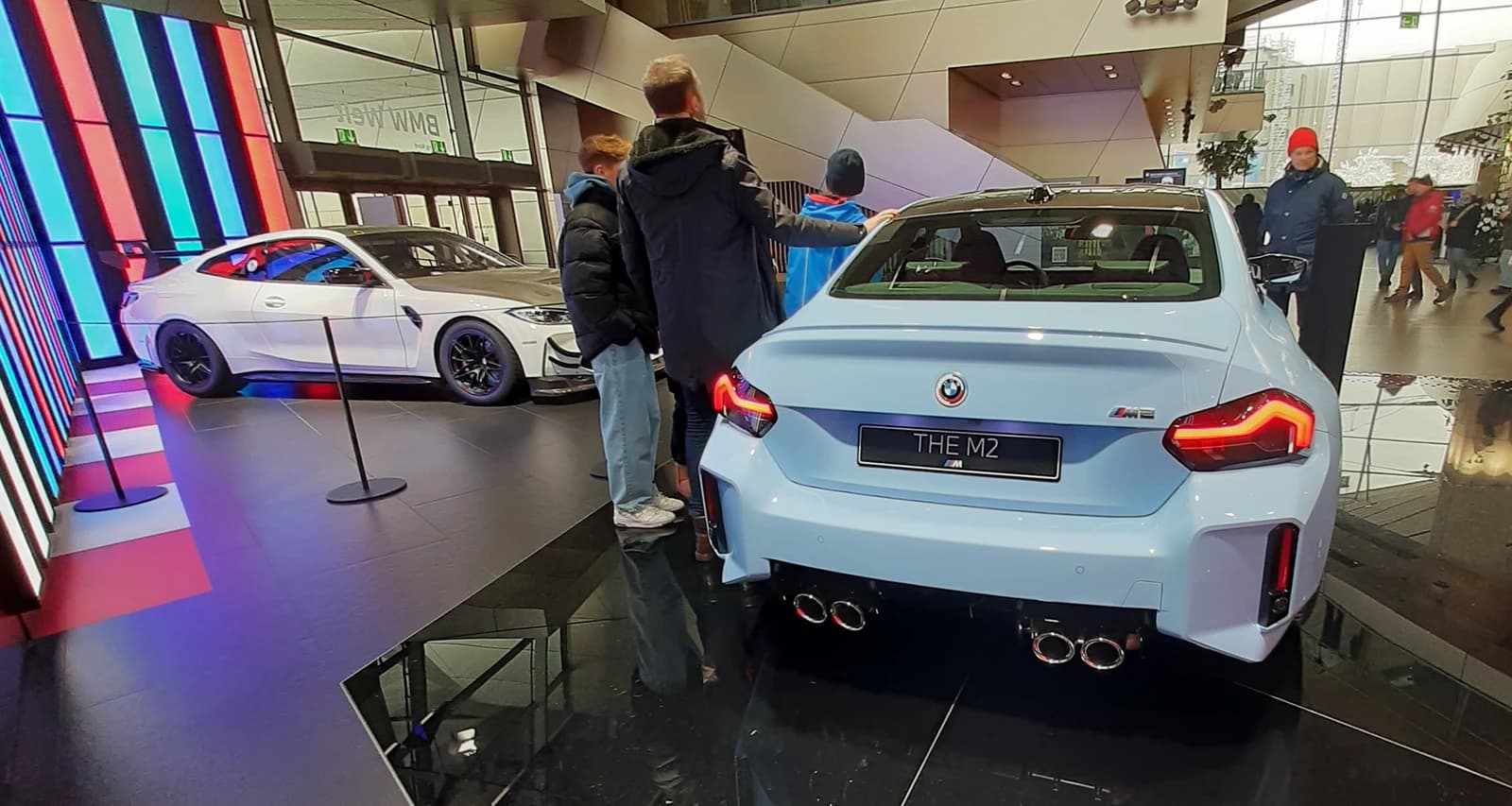
THACO Auto has introduced the BMW M2, M3 Competition M xDrive, M3 Touring and M4 Competition M xDrive to Vietnamese buyers, giving local customers a lineup that spans a compact coupe, a sedan, a wagon and a two-door performance coupe. That matters because luxury-car sales are less about volume than about margin, brand cachet and customer loyalty — all areas where a halo product like BMW M can punch far above its weight.
Sentiment IndicatorsⓘProprietary · adalytica.com · October 2, 2026
This is a snapshot — live sentiment, awareness and momentum for 130+ markets update continuously in the dashboard.Open AlphaPulse
The lineup is not just about power, though the numbers are eye-catching. The M2 uses a 3.0-liter turbocharged six-cylinder engine with 480 horsepower, while the M3 Competition M xDrive and M4 Competition M xDrive each deliver 530 horsepower and 650 Nm of torque. BMW says the M3 and M4 can sprint from 0 to 100 km/h in 3.5 seconds, with the M3 Touring close behind at 3.6 seconds and the M2 at 4.0 seconds with the automatic gearbox. For enthusiasts, that performance is the product. For investors, it is the pricing power.
Just as important, BMW and THACO are leaning into bespoke ordering. Buyers can choose exterior colors, wheel sizes and styles, interior materials, cabin colors and select technology or performance items, with final pricing depending on the configuration and available supply. That is a classic premium-brand play: the more a car feels personal, the less it competes on price alone. It also supports profitability by encouraging higher-spec orders and giving the distributor a more exclusive customer relationship.
Vietnam is a sensible market for this strategy. The country’s affluent consumer base is growing, and premium automakers are looking for ways to extract more value from buyers who want status, performance and individuality in one package. BMW’s M cars also help THACO build a more engaged enthusiast community through planned events and experiences, which can matter just as much as showroom traffic in building a durable luxury franchise.
For long-term investors, the bigger takeaway is that premium auto brands still rely on scarcity, identity and emotional appeal to defend margins, especially in markets where broader auto demand can be cyclical. BMW is not trying to sell these cars in volume; it is trying to make every sale more profitable and every owner more loyal. That is a sensible formula in any economy.
The risks are familiar: high prices limit the customer pool, supply can constrain deliveries, and luxury demand can soften if growth slows. But for now, BMW’s Vietnam move looks like a well-aimed brand-building step in a market where differentiation matters more than ever. Worth watching as a sign of how global automakers keep premium growth alive in Southeast Asia.
| Entity | Gains | Losses |
|---|---|---|
| BMW / THACO Auto | ▲Higher-margin sales | ▼Mass-market volume focus |
| Vietnamese buyers | ▲More choice and personalization | ▼Higher sticker prices |
| Competitors in premium autos | ▲— | ▼More pressure on differentiation |
| Enthusiast community | ▲Stronger brand events | ▼Less access to cheap alternatives |