Amazon is using Prime Day-style discounting to widen the price gap in the floor-care market, with three self-cleaning vacuum mops now selling for less than €200, a threshold that helps turn a once-premium category into a mass-market purchase.
Amazon discounts vacuum mops below €200
For consumers, the immediate appeal is simple: lower prices on devices that vacuum, wash and self-clean without the usual hands-on maintenance. For Amazon, the bigger economic point is that aggressive promotion on household appliances can keep traffic high, accelerate unit turnover and force competing retailers and brands to match discounts or lose share.
The featured models span much of the value range. Tineco’s Floor One i6 Stretch is priced at €189.99, down from €249.99, while Dreame’s H12 Pro FlexReach falls to €179.98 from €269. Roborock’s F25 LT is the sharpest cut, at €159 versus €349.99, a reduction of more than 54% that makes it the cheapest of the three and the clearest pricing attack on rivals.
That matters because the market for cordless wet-and-dry cleaners has been built on premium pricing, often justified by suction power, self-cleaning systems and the ability to clean edges or slip under furniture. By putting all three models below €200, Amazon is effectively resetting consumer expectations around what those features should cost, which can compress margins across the category if discounting persists.
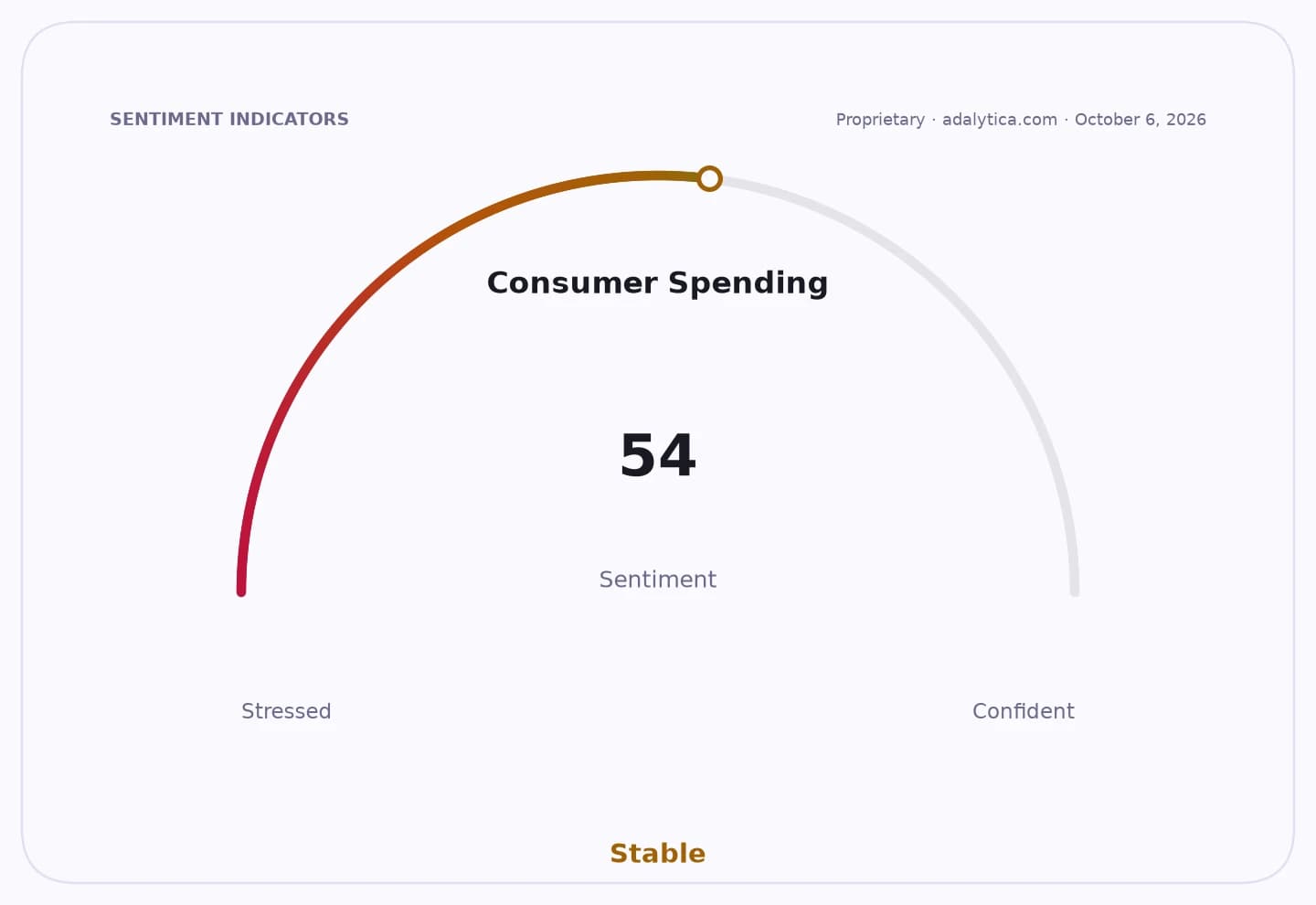
The promotion also underscores how Amazon continues to use its marketplace scale to shape demand in discretionary home goods even when the broader consumer backdrop remains uneven. Appliances and smart-home cleaning devices tend to be sensitive to promotions, and a well-timed deal can pull purchases forward, especially ahead of a retail event such as Prime Day.
For manufacturers, the trade-off is stark. Lower prices can drive volume and visibility on Amazon, but they also make it harder to preserve premium positioning. For smaller competitors, the pressure is harsher: either match the discount and accept thinner profitability, or risk being crowded out by better-known brands with stronger review histories and stronger placement on the platform.
The stock-market angle is less about these individual vacuum lines than about Amazon’s broader retail engine. Amazon’s shares have recently held above their 50-day and 200-day moving averages, with technical momentum improving after a pullback earlier in the year. That suggests investors are still willing to reward evidence that the company can stimulate demand without sacrificing too much pricing power at the platform level.
What investors will watch next is whether this kind of deep discounting remains a short-lived event tied to Prime Day or becomes a more persistent feature of the home-appliance aisle. If the latter, the winners are likely to be Amazon and shoppers; the losers are the brands that depend on premium hardware margins and the retailers forced to compete on price.
| Entity | Gains | Losses |
|---|---|---|
| Amazon | ▲Higher traffic, more unit sales | ▼Lower near-term margin on promotions |
| Consumers | ▲Cheaper premium vacuums | ▼None in the short term |
| Tineco, Dreame, Roborock | ▲Volume boost, visibility | ▼Pricing pressure, thinner margins |
| Rival retailers | ▲None | ▼Need to match discounts to compete |