Amazon’s Prime Big Deal Days is giving consumers and gadget hunters a short, sharp excuse to spend on premium tech just as the biggest U.S. platform stocks continue to trade near cycle highs, reinforcing a powerful setup for the holiday quarter and the broader AI-driven upgrade cycle.
Amazon Prime Big Deal Days boosts tech upgrade demand
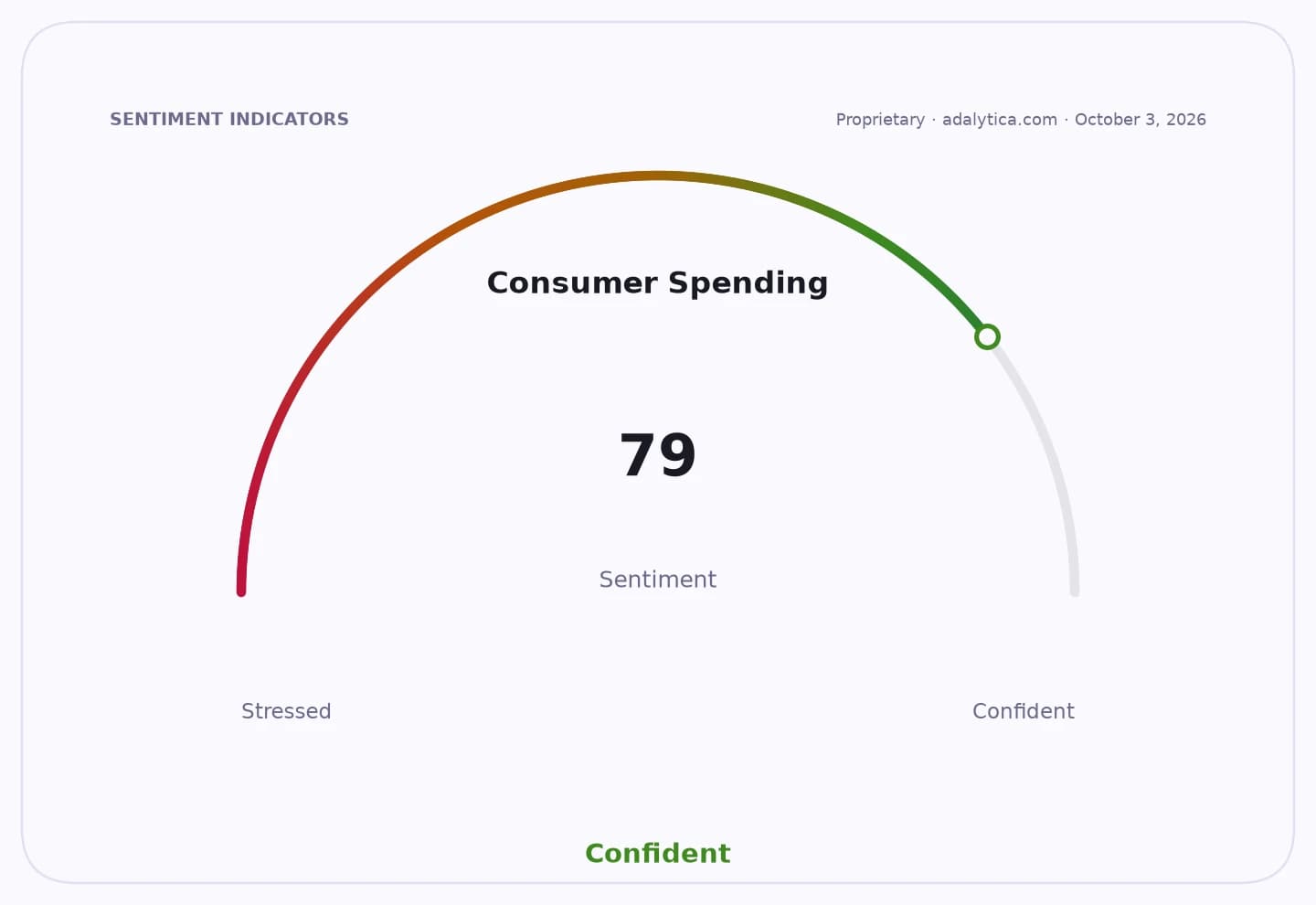
That matters because discretionary electronics are one of the cleanest tells on household willingness to buy into higher-ticket devices, and right now the macro backdrop is still supportive. U.S. unemployment is running at 4.1%, consumer sentiment has been weak but is showing signs of stabilization, and the retail calendar is creating a concentrated demand pulse that can lift everything from TVs and tablets to wearables, drones and smart-home hardware. In other words, this is not just a shopping event — it is a real-time check on whether consumers are still willing to stretch for technology upgrades.
Sentiment IndicatorsⓘProprietary · adalytica.com · October 7, 2026
This is a snapshot — live sentiment, awareness and momentum for 130+ markets update continuously in the dashboard.Open AlphaPulse
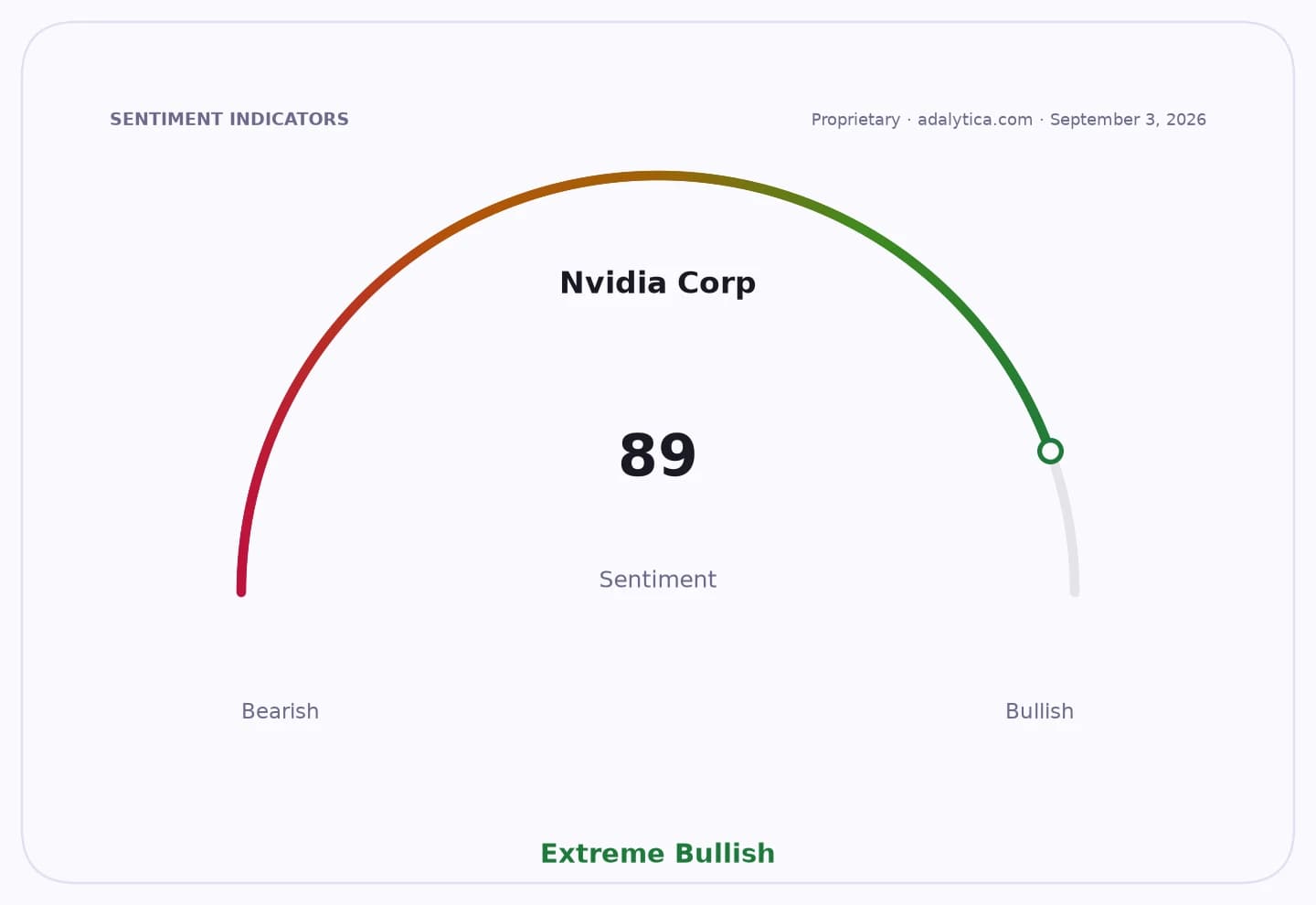
The market is already leaning into that thesis. Apple shares are trading around $334, Microsoft near $528 and Amazon around $255, all above their 200-day moving averages, a sign that investors still want exposure to the companies that sit at the center of the digital spending stack. Apple’s RSI reading is in neutral-to-firm territory at 46.8, Microsoft’s is elevated at 72.2 and Amazon’s stands at 56.2, suggesting the tape is constructive even after a strong run. For investors, that matters because the leaders are no longer being valued as simply cyclical retail beneficiaries; they are being treated as durable cash-generation machines with pricing power, ecosystem lock-in and enough brand equity to monetize upgrades even when consumers are more selective.
The asymmetric opportunity is in the second-order winners. Amazon benefits immediately from traffic, basket size and Prime retention, but the broader trade is about who captures the upgrade dollars when consumers decide they want better screens, faster chips and more connected devices. Apple remains the obvious beneficiary if shoppers use the sale period to pull forward iPhone, AirPods, iPad and accessory purchases. Microsoft matters less as a direct promo winner and more as evidence that the market still rewards the software-and-cloud layer sitting behind the device cycle. The real story is that promotional events can catalyze demand, but the secular engine is still AI and device replacement.
That is why this matters now. Adalytica’s AI sentiment gauge is flashing Extreme Greed, while awareness remains in Extreme Fear, a combination that often marks a market that is enthusiastic about the theme but still under-positioned in the real-world beneficiaries. Translation: the market loves the AI narrative, but it still underestimates how much hardware refresh, commerce volume and ecosystem monetization sit underneath it. Prime Day-style events help reveal that demand is not dead — it is waiting for an excuse.
I believe the best way to play this is to stay with the platform kings and the picks-and-shovels around them: Amazon for commerce and cloud leverage, Apple for premium device replacement, and selected hardware and component suppliers tied to the upgrade cycle. If consumer spending holds through the holiday quarter and the AI buildout keeps pulling demand forward, these sales events will look less like discount days and more like early evidence of another leg higher in the tech capex and consumer-upgrade supercycle.
| Entity | Gains | Losses |
|---|---|---|
| Amazon | ▲Prime engagement, sales volume | ▼Rival retailers |
| Apple | ▲Premium device upgrades | ▼Consumers waiting for discounts |
| Microsoft | ▲Sentiment from tech leadership | ▼Short-term promo noise |
| TV/drone/home gadget sellers | ▲Near-term demand lift | ▼Non-discounted sellers |