Economists in Brazil raised this year’s inflation forecast back above 5% while trimming expectations for economic growth, underscoring the challenge facing policymakers as prices stay sticky even with borrowing costs still high.
Brazil inflation forecast rises above 5%
The median estimate in the central bank’s Focus survey now sees the IPCA consumer price index ending 2026 at 5.01%, up from 4.99% a week earlier, according to the report released Monday. That leaves inflation well above the central bank’s 3% target, which has a tolerance band of 1.5 percentage points on either side. At the same time, the market trimmed its GDP forecast for this year to 1.85% from 1.86%, extending a pattern of slower growth expectations into later years as well.
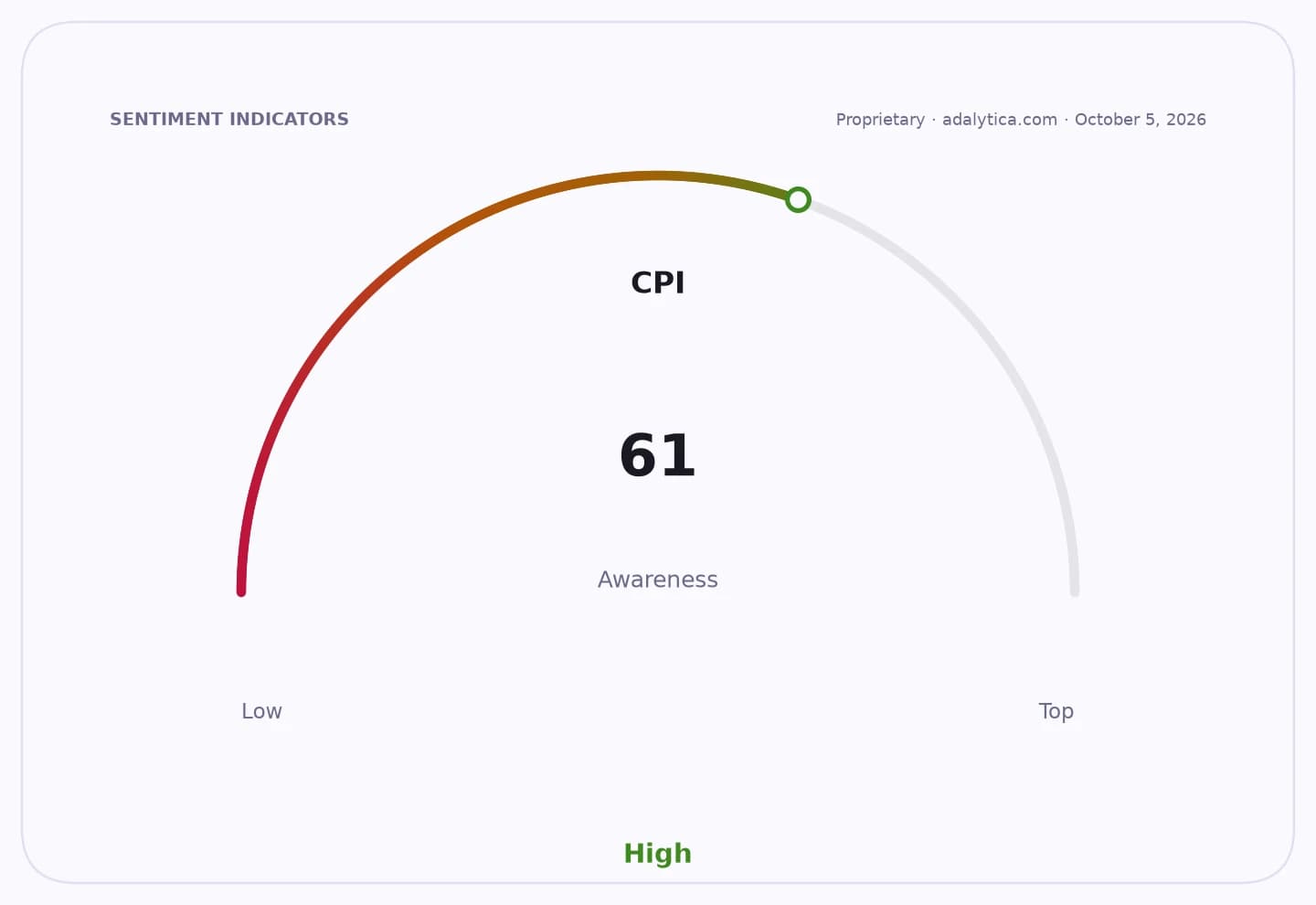
Sentiment IndicatorsⓘProprietary · adalytica.com · October 5, 2026
This is a snapshot — live sentiment, awareness and momentum for 130+ markets update continuously in the dashboard.Open AlphaPulse
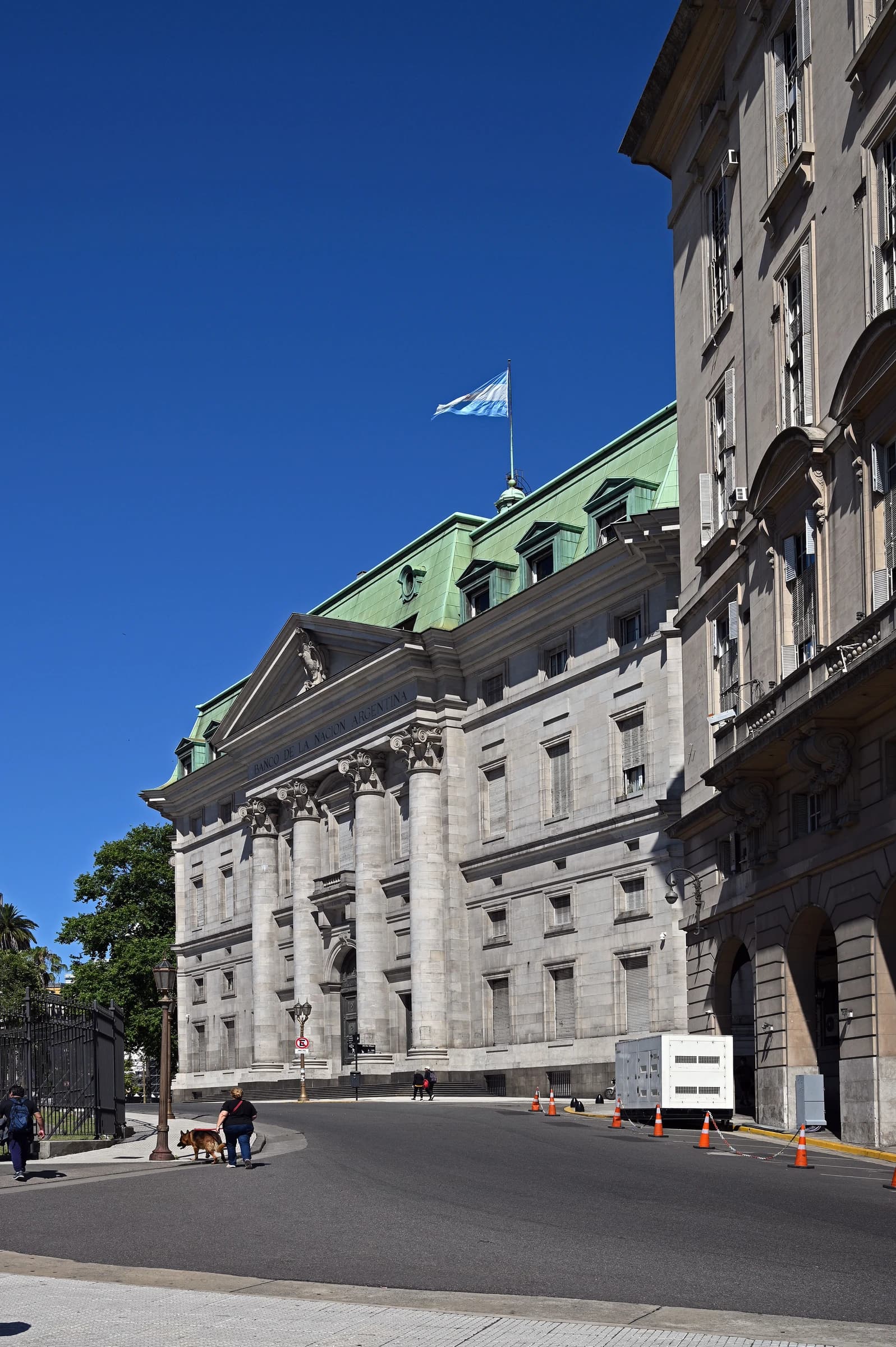
The combination matters because it points to an economy that is losing momentum without delivering the quick disinflation policymakers need. That is a difficult backdrop for the Banco Central do Brasil, which has been trying to balance weak output against the risk that inflation expectations become unanchored. If price pressures remain above target, the room for faster rate cuts narrows; if growth keeps softening, the cost of keeping policy tight rises.
The survey still shows analysts expecting the Selic rate to end this year at 13.5%, with two more cuts penciled in for the Copom meetings in November and December. That suggests markets still think the central bank can ease gradually, but not aggressively. For investors, the key question is whether the disinflation path is credible enough to justify lower yields and a stronger local risk appetite, or whether persistent inflation will force a more cautious stance on Brazilian bonds, equities and the real.
The 2026 inflation forecast was nudged down only marginally, to 4.30% from 4.31%, indicating little confidence that price growth will quickly return to target. Longer-dated expectations also edged higher, with the 2029 inflation view rising to 3.51% from 3.50%. Even small upward revisions at the far end matter because they reflect how entrenched inflation thinking can become when target misses persist.
For the economy, the message is one of modest growth and stubborn prices rather than outright recession. For policymakers, that keeps the emphasis on credibility: the central bank will need to show that it can bring inflation expectations down without choking off activity. For investors, the next catalyst is whether incoming data on prices, wages and domestic demand confirm the market’s assumption of a slow easing cycle — or force a rethink of how much inflation risk is still embedded in Brazilian assets.
| Entity | Gains | Losses |
|---|---|---|
| Banco Central do Brasil | ▲Credibility if inflation eases | ▼Room for faster rate cuts |
| Brazilian bond investors | ▲If cuts continue gradually | ▼If inflation stays above target |
| Brazilian consumers | ▲If growth supports jobs | ▼Purchasing power from higher prices |
| Brazilian equities | ▲Lower rates eventually | ▼Slower growth and tight policy |