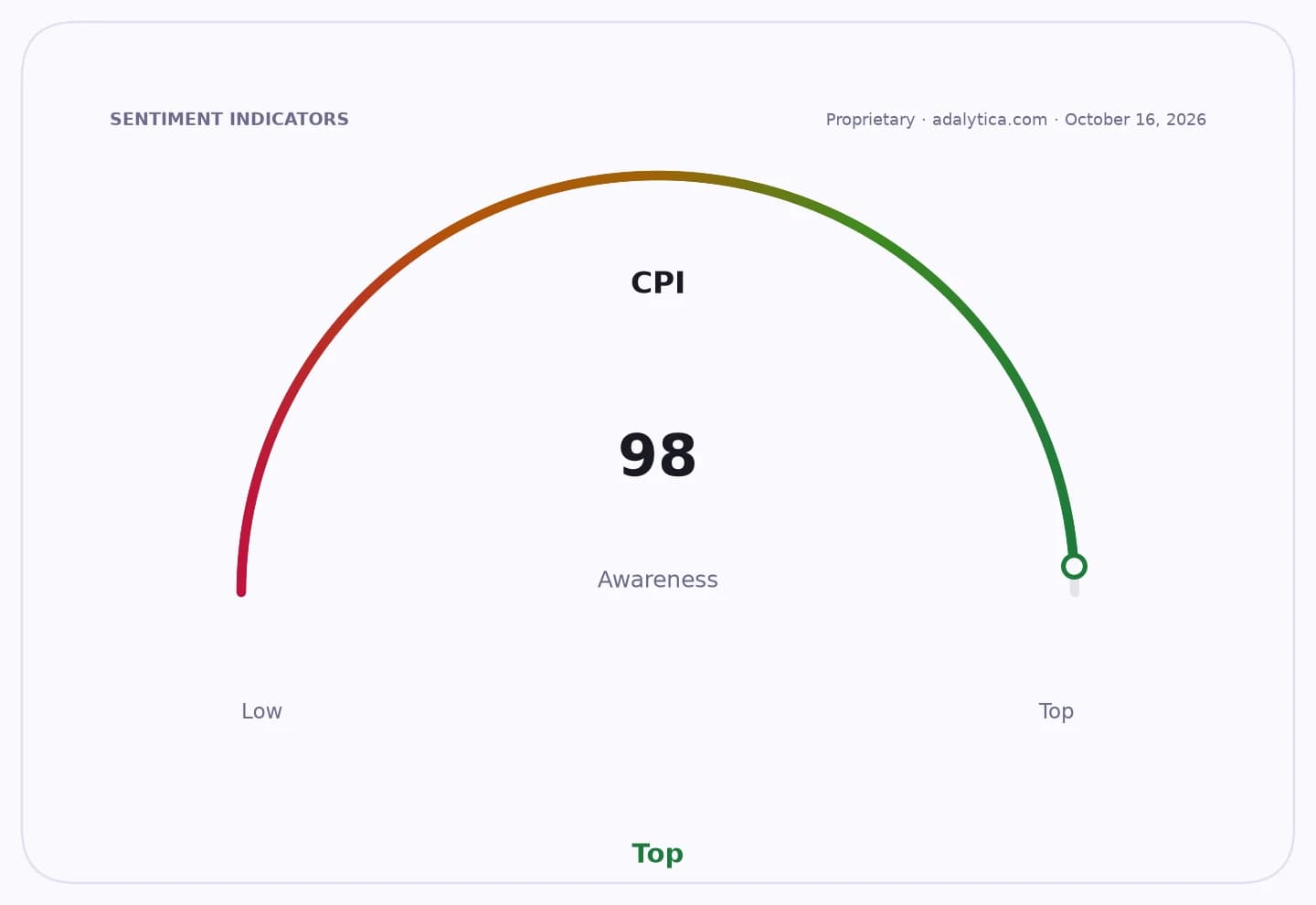
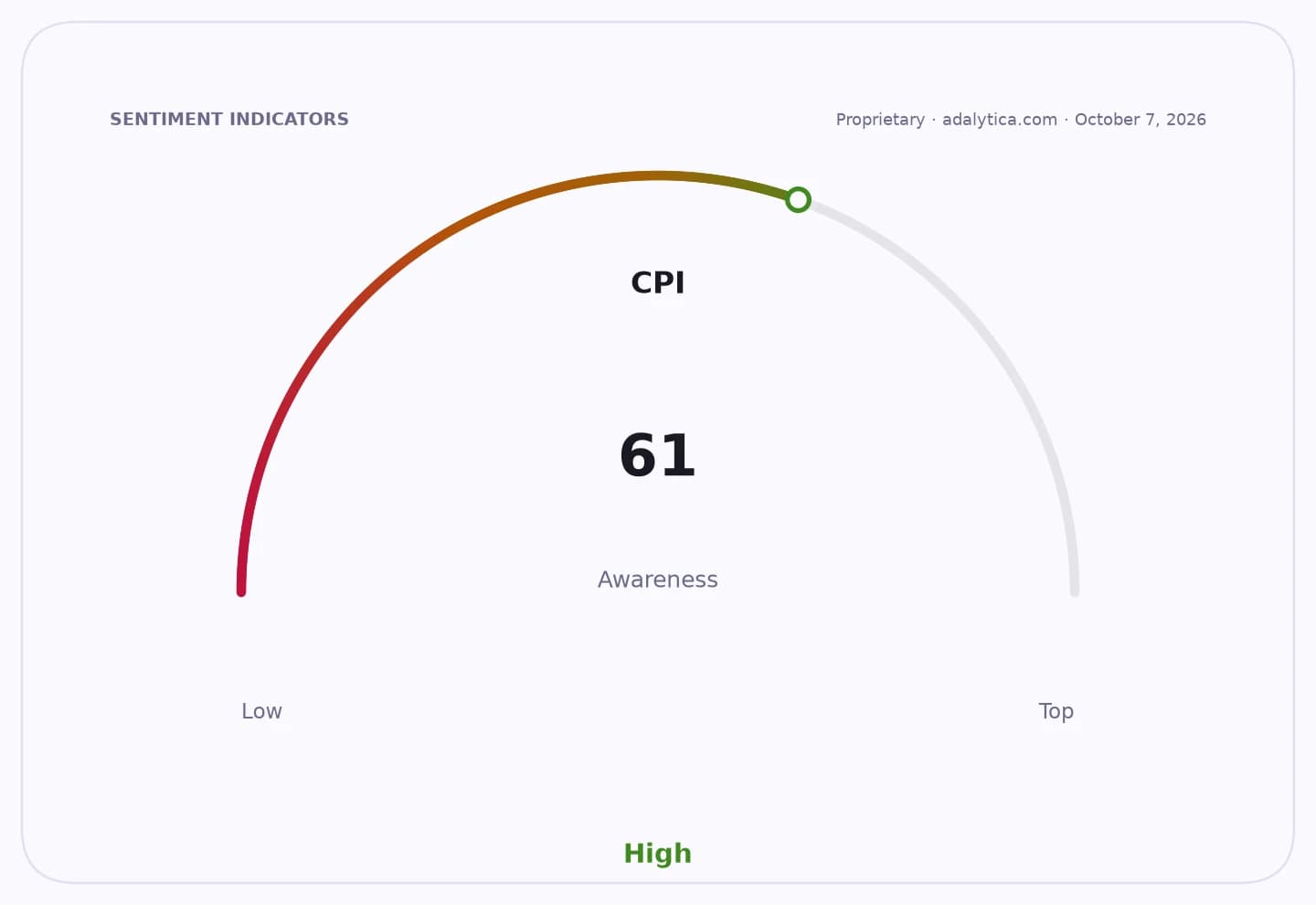
Thailand’s inflation is likely to ease in the near term, giving the Bank of Thailand room to keep policy cautious as it weighs still-elevated bond yields, a softer oil backdrop and a less severe-than-feared El Nino impact.
Thailand inflation eases as BoT stays cautious

Deputy Governor Piti Disyatat said price pressures should be more moderate than previously expected because oil prices have stayed within range and weather disruptions have not fed through as strongly as feared. For a central bank that has spent months balancing fragile growth against lingering cost pressures, that shift matters: lower inflation reduces the risk that the BoT has to keep policy tight for longer, while also improving the odds that domestic demand can recover without a fresh price shock.
The comments come as Thailand’s policy debate is increasingly being shaped by external conditions rather than just local demand. Higher global bond yields have lifted financing costs across emerging markets and helped keep Thai financial conditions tight, even as the inflation outlook improves. That combination is important for businesses and households because it means borrowing costs may remain restrictive even if consumer prices soften, limiting the pace of any rebound in credit, consumption and investment.
The central bank’s view also reinforces the case that Thailand’s recent inflation dynamics are more supply-led than demand-led. Lower-than-expected food and energy pressures would be a relief for importers and consumers, but they also underline the economy’s vulnerability to shifts in commodity prices and weather patterns. If inflation continues to decelerate, real incomes should stabilize and support spending, particularly in sectors tied to tourism and domestic services. But a slower inflation path does not automatically translate into easier policy; the BoT still has to judge whether growth is strong enough to justify any eventual easing.
For investors, the message is twofold. On one hand, a more benign inflation outlook reduces the probability of further monetary tightening and may be supportive for Thai government bonds and rate-sensitive assets if disinflation persists. On the other, the reference to elevated bond yields highlights that global markets are still setting the tone for Thai asset pricing, which could cap the upside for equities and the baht if U.S. yields stay high. A softer inflation profile would also be welcome for domestic cyclical stocks, but only if it feeds through to consumer demand rather than simply preserving a restrictive real-rate environment.
The broader narrative is that Thailand is moving toward a more favorable price environment, but not yet toward a clearly easier macro one. Inflation relief helps the Bank of Thailand avoid a harder policy trade-off, yet the country still faces the drag from tight global financial conditions and uneven growth. What happens next will depend on whether the improvement in price pressures is sustained and whether policymakers see enough momentum in the real economy to justify any shift in stance later this year.
| Entity | Gains | Losses |
|---|---|---|
| Thai households | ▲Lower living costs | ▼Less urgency for wage relief |
| Bank of Thailand | ▲More room to stay patient | ▼Limits on policy easing |
| Thai bond investors | ▲Disinflation support | ▼Higher-for-longer global yields |
| Thai borrowers | ▲Potentially lower inflation pressure | ▼Elevated financing costs |