The Bank of Korea is betting that its back-to-back rate hikes will do what markets care about most: slow inflation, tame apartment prices and restrain household leverage, even if that means sacrificing some growth.
Bank of Korea Keeps Policy Tight on Inflation
That is the real investment story behind the central bank’s latest comments to lawmakers. By saying higher borrowing costs will stabilize prices and housing, the Bank of Korea is signaling that policy remains tilted toward financial stability rather than near-term support for demand. For investors, that means Korea’s macro backdrop is still one of tighter liquidity, softer domestic credit creation and a slower path for cyclical assets that depend on cheap funding and rising property values.
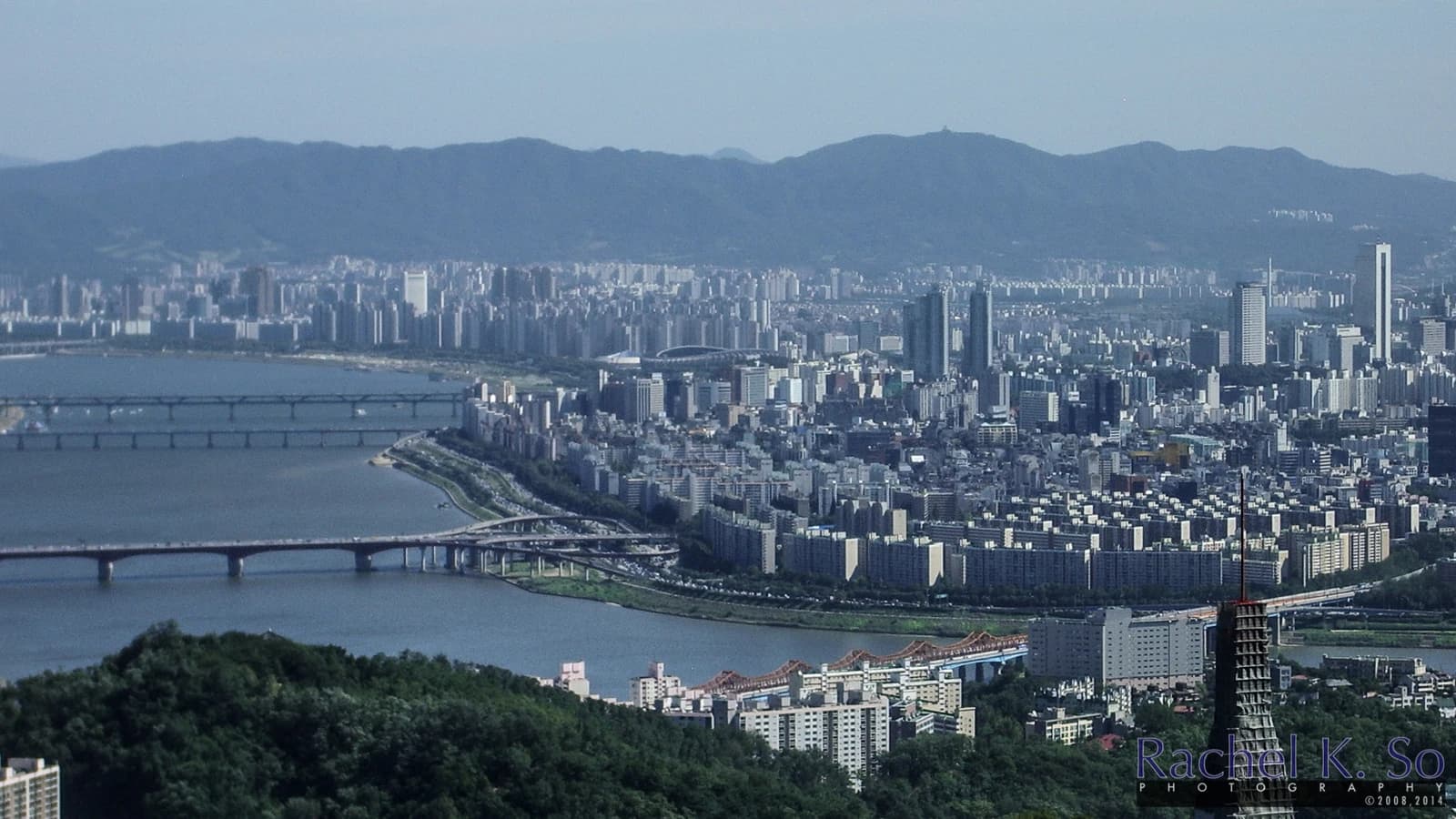
The central bank said the two consecutive increases in the benchmark rate should ease import-cost pressure by helping stabilize the won, which in turn lowers the burden of imported inflation. It also said the policy lag will weigh on real economic activity while helping cool housing prices in the Seoul metro area and slow household debt growth.
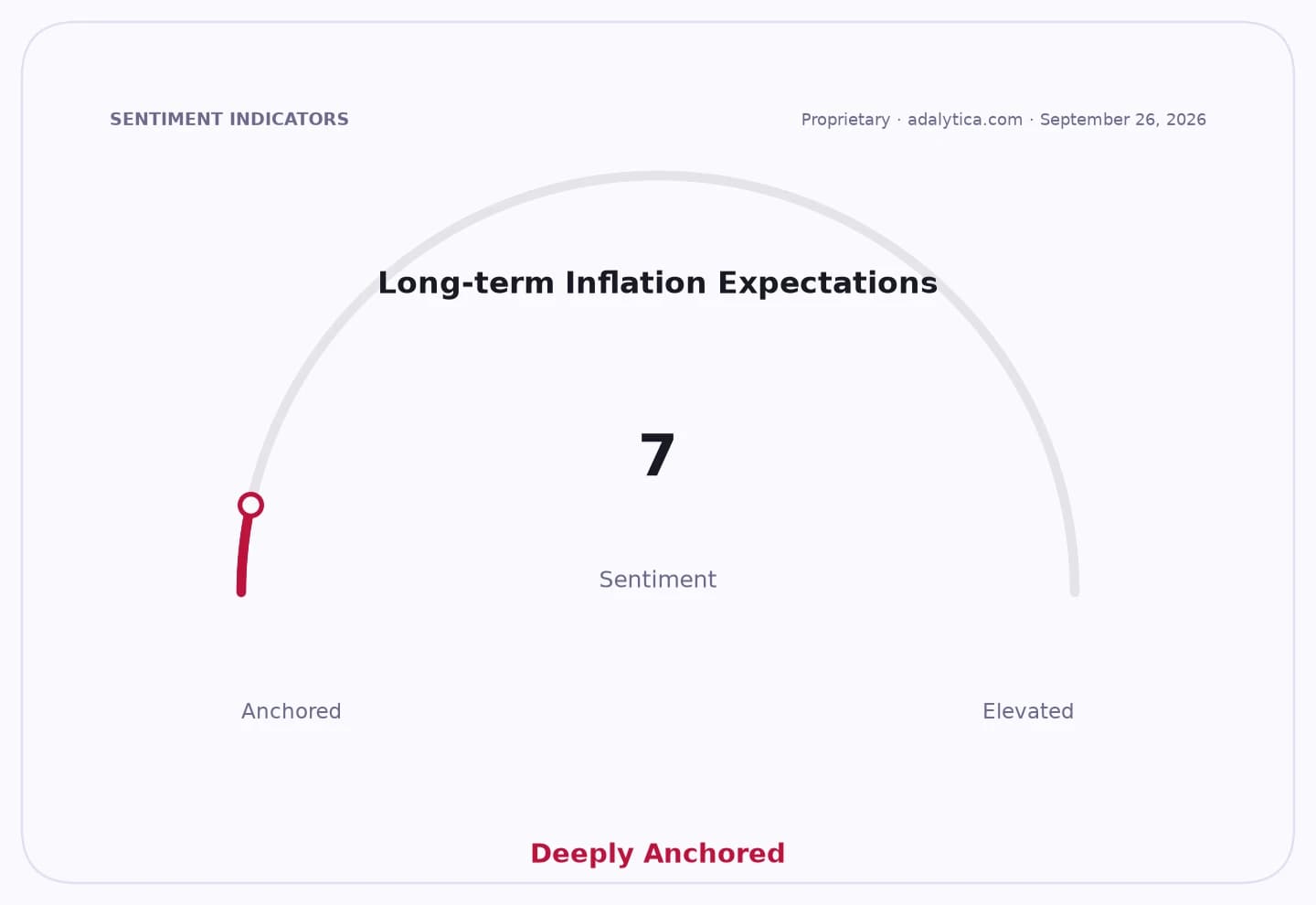
That matters because Korea’s inflation fight is not just about consumer prices. It is about defending the currency, limiting pass-through from global commodities and reducing the financial imbalances built up during years of low rates. The Bank of Korea said its rate hikes since 2021 helped anchor inflation expectations and lower housing prices, even as the economy paid a price in slower growth. Its own macro model estimates the tightening cycle shaved about 0.1 percentage point off growth in 2021, 0.9 point in 2022 and 1.4 points in 2023.
For investors, the message is that the central bank is willing to tolerate weaker expansion to preserve stability. That is usually a headwind for rate-sensitive sectors such as property, banks exposed to household credit stress, and domestically driven retailers and construction names. It is also a warning that any relief rally in Korean equities needs to be driven by exports, semiconductors or external demand — not by a domestic credit impulse.
The won’s recent weakness underscores why this matters beyond Korea. A steadier currency can reduce imported inflation and limit the need for even more aggressive tightening, but it also keeps policy restrictive for longer. In market terms, that supports the case for favoring exporters and globally competitive manufacturers over leveraged domestic plays. The ETF picture reflects that split: the Korea fund has been volatile but remains above its 200-day moving average, while the currency has stayed under pressure near 1,340 won per dollar, leaving policy makers with little room to pivot quickly.
The bigger takeaway is that the Bank of Korea is still in a classic late-cycle tradeoff: protect price stability and the housing market first, and accept slower growth as the cost. That is not a backdrop for broad multiple expansion in domestic Korean assets. It is a backdrop for selective exposure to companies that benefit from a firmer won, lower import costs and less froth in property — while staying cautious on the consumer and real-estate complex until the tightening cycle clearly peaks.
| Entity | Gains | Losses |
|---|---|---|
| Bank of Korea | ▲Inflation credibility | ▼Growth momentum |
| Korean consumers | ▲Slower housing inflation | ▼Higher borrowing costs |
| Exporters | ▲Stable currency planning | ▼Domestic demand softness |
| Property developers | ▲None | ▼Housing price cooling |