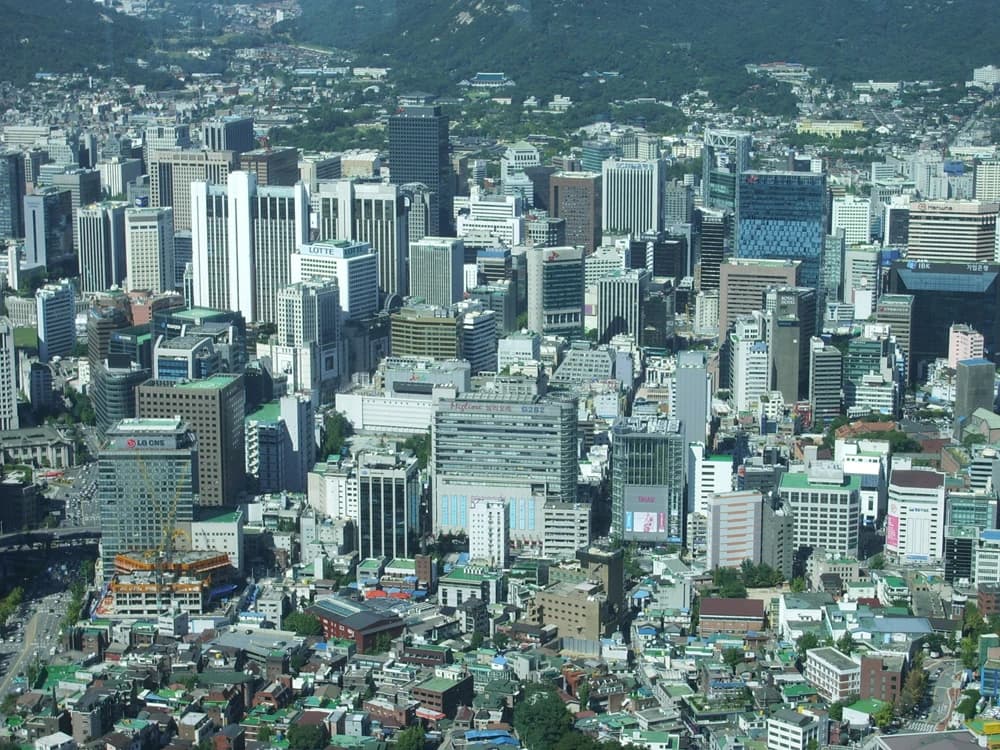
Seoul apartment prices have risen for 86 straight weeks, the longest run on record, but the market is starting to lose momentum as higher interest-rate risk, tighter lending rules and a sharp drop in transactions cool demand.
Seoul Apartment Prices Rise for 86 Straight Weeks
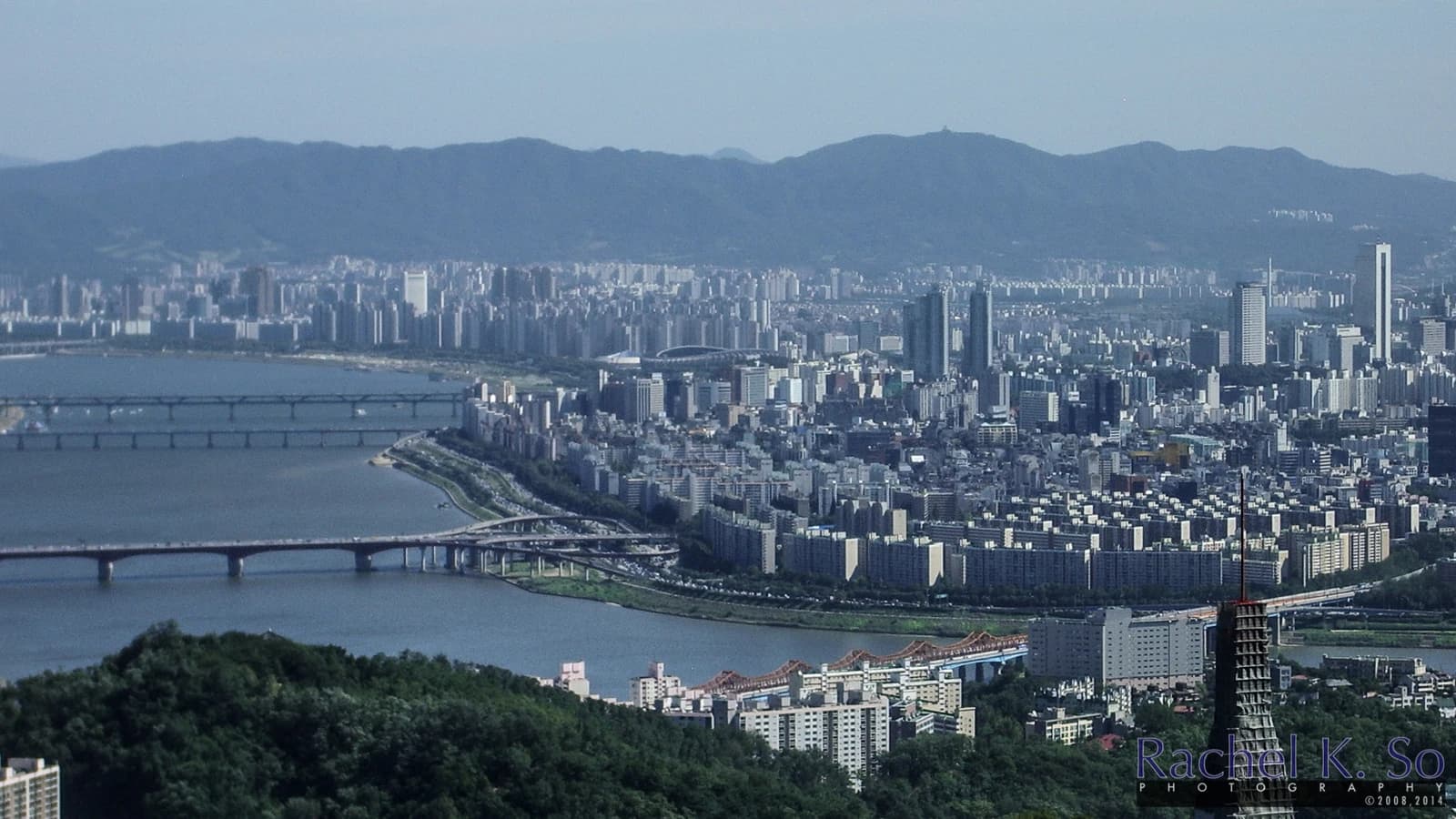
That combination matters because Seoul housing remains a key barometer for South Korea’s household balance sheets, construction outlook and policy choices. A market that keeps climbing even as growth fades points to a powerful structural shortage rather than a simple speculative surge, and it leaves policymakers with a difficult trade-off: restrain prices further and risk choking activity, or ease credit and let the next leg of gains run.
Sentiment IndicatorsⓘProprietary · adalytica.com · October 3, 2026
This is a snapshot — live sentiment, awareness and momentum for 130+ markets update continuously in the dashboard.Open AlphaPulse
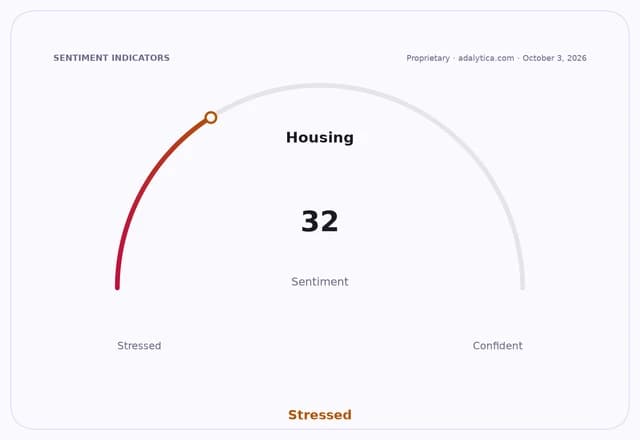
The latest data show the gains are broadening more slowly. Prices in the city are still rising, but the pace has slowed for five consecutive weeks. In the wealthier Gangnam, Seocho and Songpa districts, prices have been falling for more than four weeks, and Yongsan has also slipped into decline. At the same time, outer districts such as Seodaemun, Dongdaemun, Seongbuk and Nowon continue to support the market, though analysts say even those areas are losing traction as trading volumes thin.
Economists and property specialists say the market is more likely to pause than to collapse. Some expect Seoul-wide prices could flatten by the end of this year or early next year, with only a temporary dip rather than a broad downturn. Others argue that rising prices, loan restrictions and tax changes may keep transaction activity weak without pushing the market materially lower. The key reason is supply: new apartment completions in Seoul are expected to remain constrained, and meaningful relief may not come until 2028 to 2029, when a larger wave of supply is due.
That supply gap is the core investment story. It explains why the market can keep setting records even as demand becomes less elastic. It also suggests that any correction is likely to start at the top end, where prices are richest and affordability is most stretched, before spreading outward in stages. If discount listings from high-end owners are absorbed quickly, prices could resume a modest climb. If additional credit restrictions are imposed, however, the market could stall more abruptly and push demand into cheaper districts, repeating the “catch-up” pattern seen earlier this year.
For investors, the implications extend beyond housing. Stronger Seoul prices support household wealth and can underpin consumption, but they also raise the risk of policy tightening and further pressure on mortgage demand. For banks and developers, the near-term outlook hinges less on whether prices are still rising than on whether transaction volumes keep shrinking. A market with rising prices and falling turnover is harder to monetize and more vulnerable to abrupt sentiment shifts.
The broader read-through is that Seoul’s housing market is entering a more fragile phase: still expensive, still supply-starved, but increasingly dependent on policy and financing conditions to extend the rally. The next catalyst is likely to be credit policy, followed by whether seasonal demand and limited inventory can keep the current plateau from turning into a broader correction.
| Entity | Gains | Losses |
|---|---|---|
| Seoul homeowners | ▲Asset values stay supported | ▼Affordability worsens |
| First-time buyers | ▲More selective openings in outer districts | ▼Worse entry prices, tighter credit |
| Banks | ▲Mortgage demand remains resilient | ▼Regulatory risk rises |
| Policymakers | ▲Can slow speculation with rules | ▼Face pressure if prices keep rising |