Seoul home prices have climbed for an 84th straight week, pushing the market to the brink of a record run and underscoring how badly South Korea’s capital remains short of supply.
Seoul Home Prices Rise for 84th Straight Week
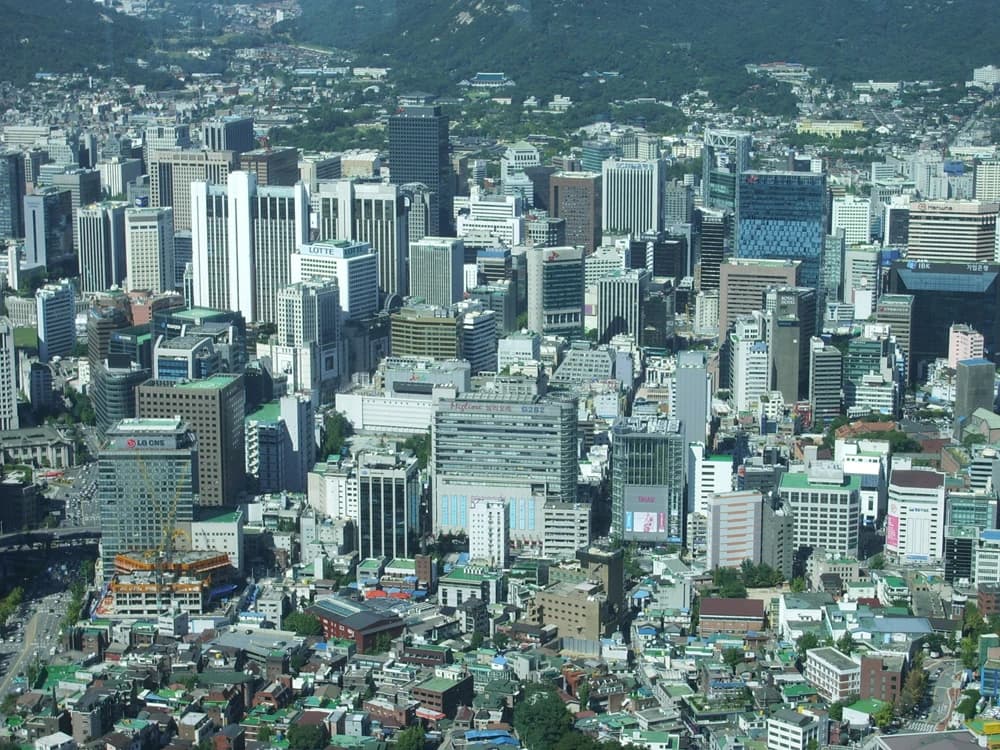
That matters because housing inflation in Seoul is no longer just a local property story; it is feeding directly into household wealth, consumer confidence and the political pressure on policymakers to deliver more homes. A market that has risen every week for more than a year and a half signals demand is still outrunning the government’s ability to add inventory, even as residents push back against new development sites.
Sentiment IndicatorsⓘProprietary · adalytica.com · September 18, 2026
This is a snapshot — live sentiment, awareness and momentum for 130+ markets update continuously in the dashboard.Open AlphaPulse
The longest stretch on record would be broken in just one more week if gains continue, according to the market data in the context. That is a stark warning for officials who have tried to cool the market through policy and rhetoric while confronting neighborhood resistance to new projects. In Gangseo-gu, opposition has already stalled progress at Yeomchang Neighborhood Park, the city’s only candidate site for public housing under an August housing policy, while another proposed site at Yongsan Park remains bogged down by local resistance.
The economic stakes are bigger than Seoul. Housing is one of the most politically sensitive channels for inflation in South Korea, and a persistently hot capital market tends to spill into rents, mortgage demand and broader price expectations. It also widens the gap between owners and renters, reinforcing a two-speed wealth effect that can shape spending and election outcomes.
For investors, the message is that scarcity still has pricing power. Homebuilders, landholders and infrastructure-related names tied to housing supply can keep benefiting if the policy response remains slow and fragmented. At the same time, the continued climb in Seoul prices keeps pressure on the Bank of Korea and reinforces the market’s focus on interest-rate sensitivity, especially for banks, real estate lenders and rate-exposed financials.
That is why the narrative here is not simply that Seoul housing is expensive. It is that the market is still repricing a structural shortage while policymakers struggle to unlock land and win local consent. Until supply actually moves, the trend favors existing owners and developers with inventory, not buyers waiting for relief.
The next catalyst is political: officials are expected to face sharper scrutiny in hearings over housing policy, and any sign of renewed supply action could move sentiment fast. But unless those plans turn into shovels in the ground, Seoul’s housing bull market still has room to run.
| Entity | Gains | Losses |
|---|---|---|
| Existing Seoul homeowners | ▲Paper wealth | ▼Affordability |
| Property developers | ▲Pricing power | ▼Policy delay risk |
| Renters and first-time buyers | ▲None | ▼Higher entry costs |
| Policymakers | ▲Political urgency | ▼Credibility on supply |