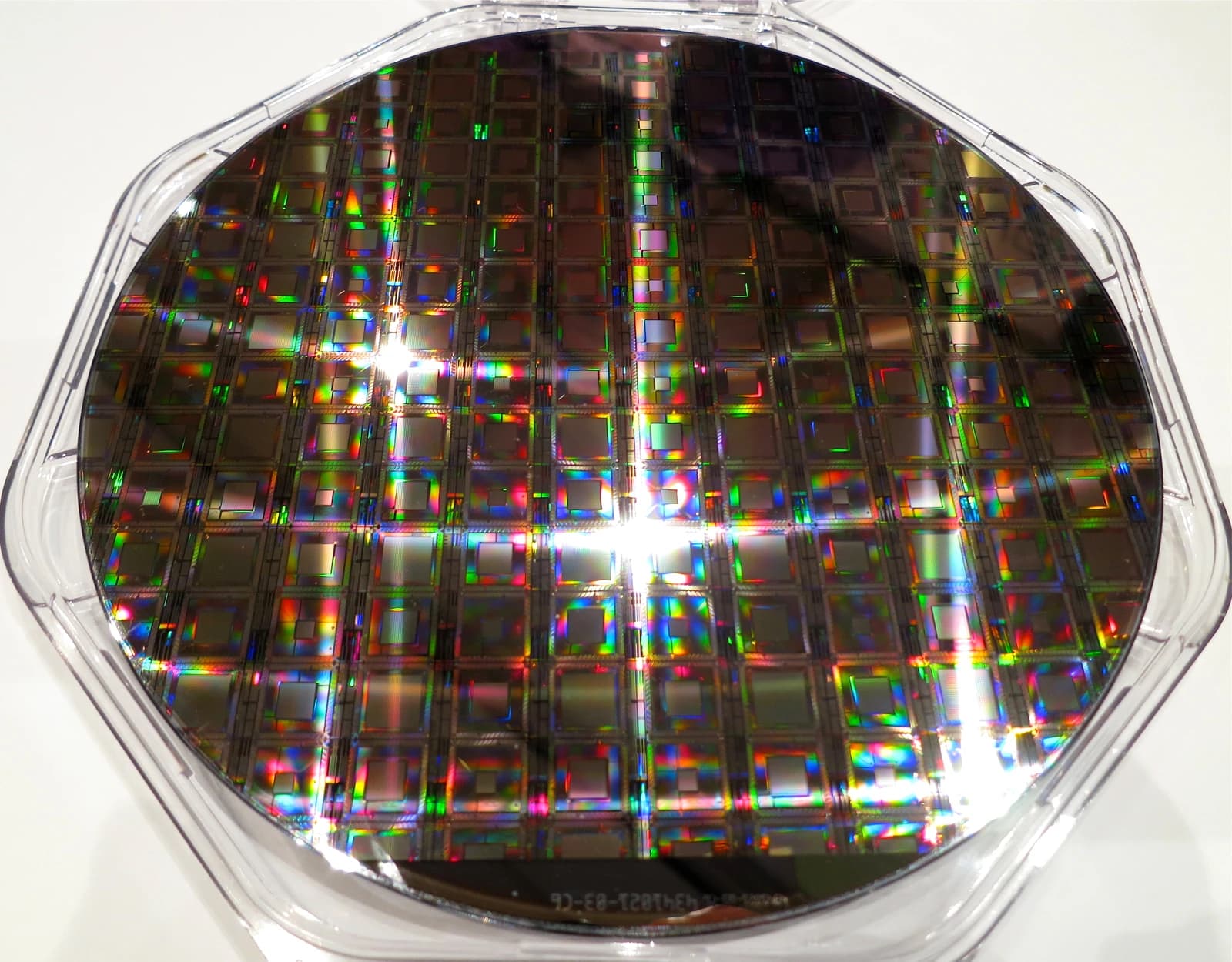
South Korea’s exports hit a record in September as semiconductors powered shipments to their strongest level yet, underscoring how deeply the AI investment cycle has reached into the country’s industrial base and capital markets.
South Korea Exports Hit Record on Semiconductor Boom
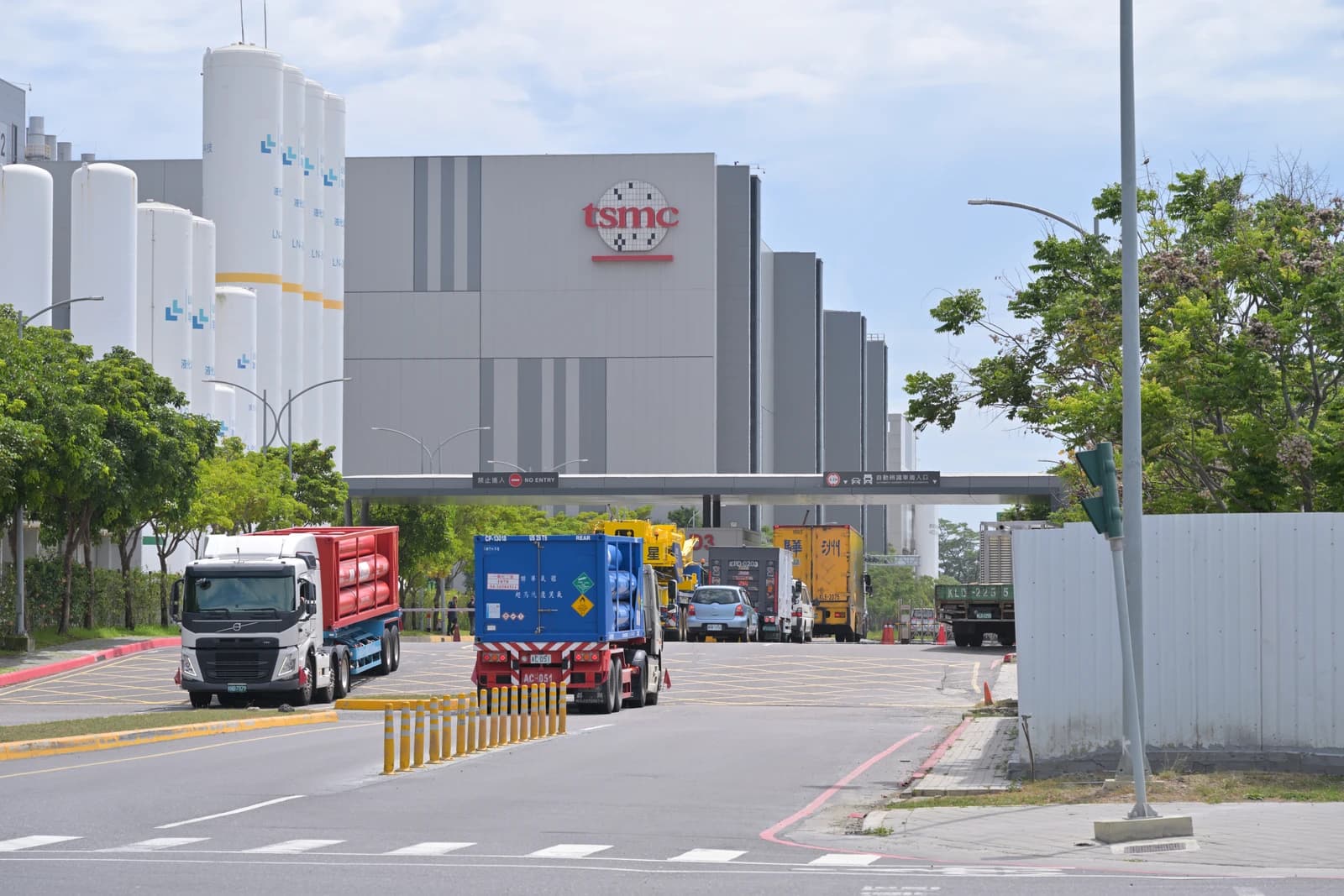
The latest trade data points to a boom that is no longer confined to a handful of memory makers or equipment vendors. It is increasingly showing up in the broader economy through export receipts, factory activity and equity valuations, suggesting the AI-driven chip upswing is feeding through South Korea’s manufacturing complex at a time when global growth remains uneven.

That matters because South Korea sits near the center of the world’s semiconductor supply chain. When chip exports accelerate, the effect is multiplied across memory producers, foundry services, materials, logistics and capital equipment. It also supports corporate earnings and government tax revenue, while strengthening the current account and cushioning an economy that is still sensitive to external demand.
The market response has reflected that shift. Samsung Electronics shares have climbed to 275,250 won after touching 276,000 won on Friday, while SK Hynix has held near 1.835 million won, both sitting above their 50-day moving averages. SK Hynix’s stock has been especially volatile, but the rebound in recent sessions suggests investors are still willing to pay for exposure to high-bandwidth memory and AI server demand even after a sharp run-up earlier this year.
The technical picture suggests the rally is not yet exhausted. Samsung’s relative strength index is around 53.5, a neutral-to-firm reading, and its MACD has turned positive. SK Hynix’s RSI is 48.5, also indicating a pause rather than a broken trend, while its MACD has crossed back above the signal line. Both names remain above their 200-day moving averages, a sign that the long-term uptrend in Korea’s chip cycle is intact.
The macro backdrop is doing some of the work as well. US 10-year Treasury yields have edged up to about 5.29%, tightening global financial conditions, but that has not yet derailed the chip trade because earnings momentum in semiconductors is overwhelming rate concerns. At the same time, South Korea’s unemployment rate near 4.1% points to a labor market that is stable enough to absorb the export-led lift without immediate overheating, though inflation and policy tightening risks remain if the boom broadens further.
Strategically, the key question is whether this is still an early-cycle AI trade or a later-stage supply squeeze. Bulls argue that demand for AI servers, HBM and advanced packaging remains underpenetrated, with major customers still building capacity and hyperscalers continuing to spend. Bears counter that the strength in memory has historically led to overinvestment, and that export controls, geopolitical friction and a turn in global capex could cap the upside.
For investors, the implication is clear: South Korea’s chip-heavy exporters remain the cleanest listed expression of the AI semiconductor supercycle, but valuations now depend on whether the demand wave can keep outrunning supply additions. The next test will be whether September’s record exports prove to be a one-month spike or the start of a longer stretch of externally driven industrial growth.
| Entity | Gains | Losses |
|---|---|---|
| Samsung Electronics | ▲AI memory demand | ▼Valuation if cycle cools |
| SK Hynix | ▲HBM pricing power | ▼Supply-cycle volatility |
| South Korea economy | ▲Export earnings | ▼Importers facing higher costs |
| Global chip rivals | ▲— | ▼Market share pressure |