Korean investors are about to get a cleaner, more aggressive way to play the country’s semiconductor champions, and that matters because the real fight is not over branding but over capital flows.
Samsung and SK hynix ETF debut draws flows
The debut of ETF products tied to Samsung Electronics and SK hynix is turning a familiar “diversification versus concentration” debate into a market test: whether money prefers the steadier, broader Samsung trade or the higher-octane SK hynix bet on memory upcycles and AI spending. In a market where semiconductors are still the main leverage point to global AI capex, the first day of ETF listing can decide which story gets more shelf space in portfolios.
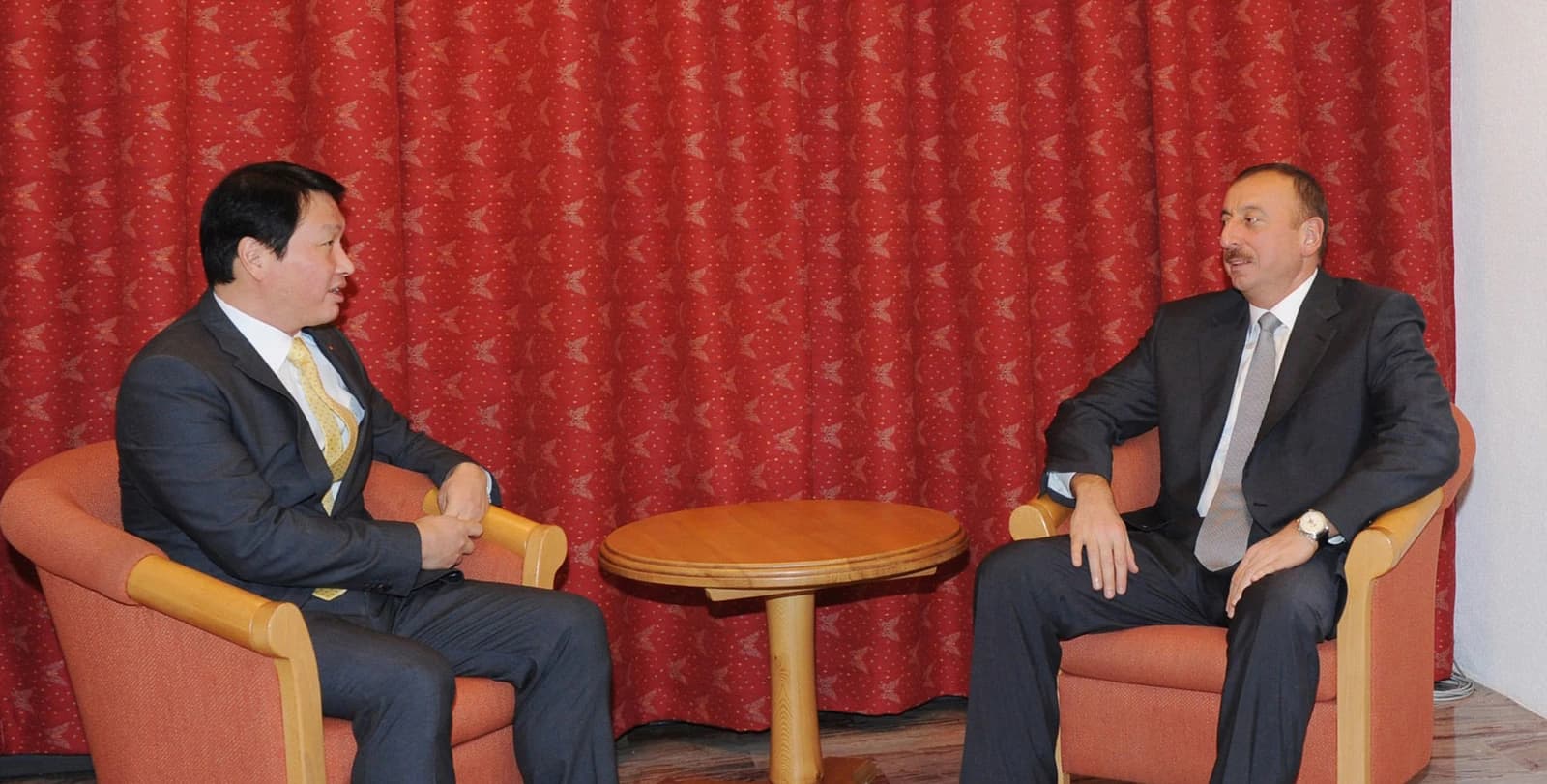
Sentiment IndicatorsⓘProprietary · adalytica.com · September 27, 2026
This is a snapshot — live sentiment, awareness and momentum for 130+ markets update continuously in the dashboard.Open AlphaPulse
That is why the timing is important. Samsung Electronics has climbed to 285,500 won, far above its 50-day moving average of 255,380 and well above its 200-day average of 222,131.75, while SK hynix has surged to 1.862 million won, also comfortably above its 50-day and 200-day averages. Both names have recovered sharply from mid-summer weakness, and both are trading with bullish momentum as RSI readings stay elevated and MACD turns positive. The market is already telling investors that this is not a fading trade; it is a live contest for leadership.
The deeper economic significance is straightforward. ETF launches create a new distribution channel for equity demand, and in Korea that demand can be material enough to move the underlying names, especially when the products are built around national bellwethers like Samsung and SK hynix. Samsung offers the “diversification” pitch: smartphones, chips, displays and a balance-sheet heavy industrial profile that fits conservative money. SK hynix offers the “all-in” pitch: concentrated exposure to memory pricing, AI server demand and the possibility of outsized earnings torque if the cycle stays hot. Those are two different risk-premium profiles, and investors will pay differently for each.
The market backdrop favors both, but not equally. Nvidia’s shares, a global proxy for AI compute demand, remain near 225 after a powerful run, while TSMC has been reporting strong revenue growth, underscoring that the AI supply chain is still absorbing capital at a fast clip. That helps explain why semiconductor ETFs and country-theme ETFs are finding buyers: investors want exposure to the infrastructure behind AI, not just the software names getting most of the headlines. In Korea, Samsung and SK hynix sit closest to that trade.
There is also a second-order story here that investors should not miss. ETF launches are not just passive wrappers; they shape which equities attract incremental flows, which in turn can affect relative valuation. If Samsung is packaged as the “stable core” and SK hynix as the “high-beta AI winner,” both can benefit, but the one that best captures the market’s preferred narrative may command the bigger flow surprise. Right now, the tape suggests investors are still willing to pay up for concentrated AI exposure, and that keeps SK hynix in the stronger momentum position. But Samsung’s broader franchise gives it a different kind of appeal if volatility returns or if the AI trade narrows.
For investors, the opportunity is in understanding that this is not a binary choice. The first day of ETF listing is really an early referendum on how Korean equity capital will be allocated in the next leg of the semiconductor cycle. If flows favor the all-in memory bet, SK hynix could continue to outperform. If institutions lean toward diversification and lower earnings volatility, Samsung can regain leadership as the core Korea tech holding. Either way, the ETF event reinforces one thesis: Korea’s chip giants are becoming the market’s most direct way to express the AI capex supercycle.
The best way to position is to treat Samsung and SK hynix not as rivals, but as complementary exposure to the same secular trend. The trade is alive, liquid and still under-owned relative to the scale of the AI buildout. For now, the first-day ETF listing is less a product launch than a capital-allocation signal — and that is exactly the kind of catalyst investors should front-run.
| Entity | Gains | Losses |
|---|---|---|
| Samsung Electronics | ▲Diversification inflows | ▼Lower-beta appeal vs. SK hynix |
| SK hynix | ▲AI memory leverage | ▼More cyclicality |
| ETF issuers | ▲New asset-gathering channel | ▼Pricing scrutiny |
| Passive investors | ▲Easier Korea tech access | ▼Single-name concentration risk |