South Korean President Lee Jae Myung said the country will double semiconductor production capacity within five years and build AI supply chains “not shaken by any shocks,” a push aimed at turning Korea’s chip boom into a broader industrial and investment strategy.
South Korea Pledges Bigger Chip Capacity, AI Supply Chains
Lee’s remarks at the Korea Investment Summit in New York underscore how semiconductors have become central to South Korea’s economic growth, trade position and pitch to foreign capital. By promising more resilient AI supply chains and a future fund to reinvest chip gains into infrastructure and talent, Seoul is signaling that it wants to capture more of the value chain rather than rely only on export-led manufacturing.
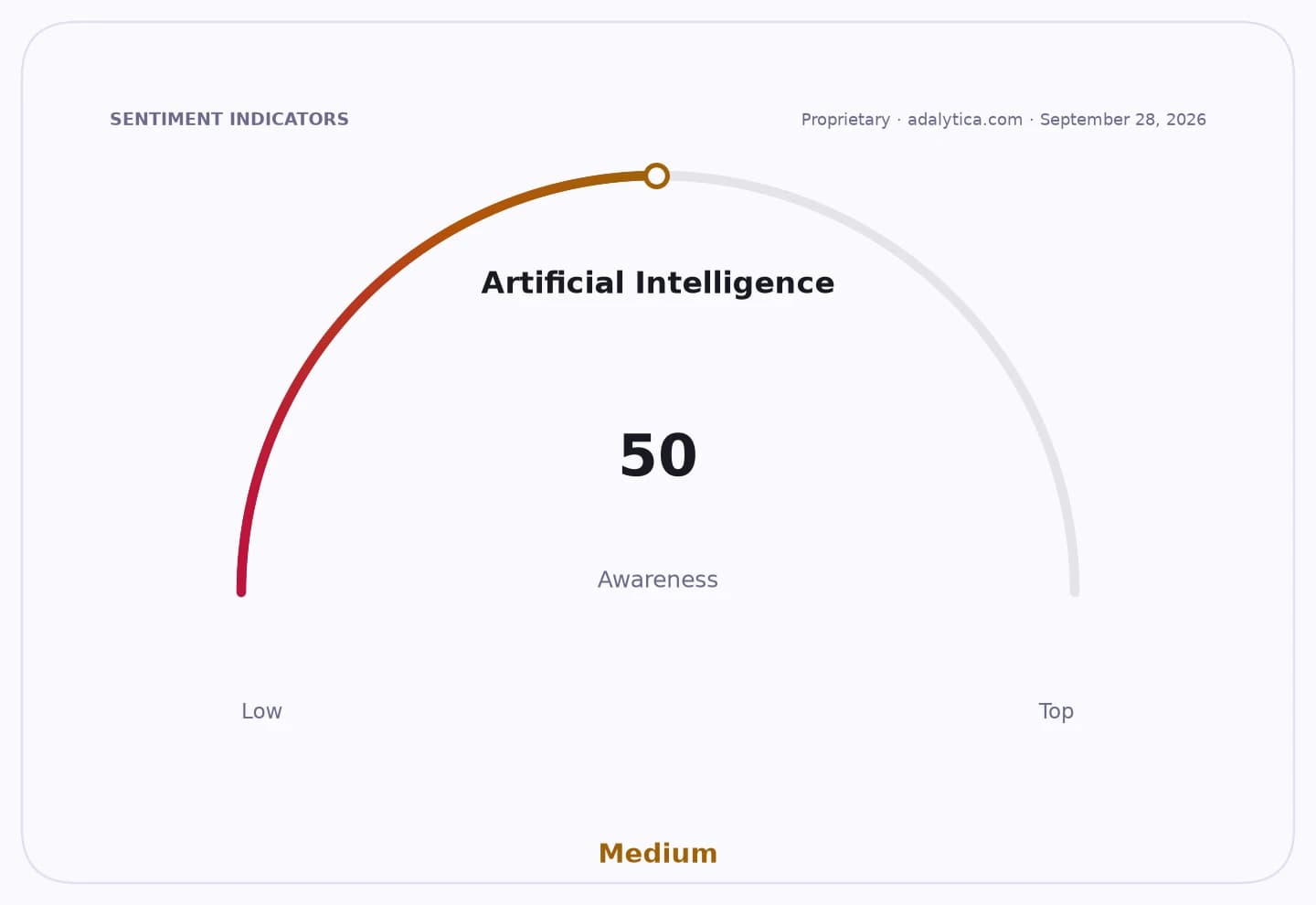
Sentiment IndicatorsⓘProprietary · adalytica.com · September 28, 2026
This is a snapshot — live sentiment, awareness and momentum for 130+ markets update continuously in the dashboard.Open AlphaPulse
The pledge comes as global investors continue to favor the chip cycle, especially companies tied to AI infrastructure. TSMC shares were trading at $450.61 on Sept. 25, above its 50-day moving average of $419.24 and 200-day average of $381.35, while NVIDIA closed at $225.07, also above both its 50-day and 200-day moving averages, reflecting the market’s continued appetite for AI hardware.
Lee also paired the chip plan with market reforms meant to lure overseas money, including legal changes to improve shareholder value and a move to keep the foreign-exchange market open around the clock. For investors, that broadens the story beyond semiconductors: South Korea is trying to position itself as a more investable market while reducing exposure to supply-chain shocks and geopolitical disruption.
The president’s call for “fresh U.S. investments” came a day after talks with U.S. President Donald Trump, including discussions on shipbuilding cooperation. That adds a geopolitical layer to the investment pitch, with Seoul seeking deeper industrial ties with Washington even as both countries push to secure strategic technologies.
For chipmakers and suppliers, the message is clear: Korea is leaning harder into AI-related manufacturing, packaging and equipment investment, a trend that could support demand for foundry capacity, materials and tools. The next test will be whether the government can convert the pledge into concrete capital flows and policy changes while global chip demand remains strong.
| Entity | Gains | Losses |
|---|---|---|
| South Korea | ▲More chip output, foreign capital | ▼Supply-chain vulnerability |
| TSMC, NVIDIA | ▲AI demand tailwind | ▼Policy uncertainty if execution stalls |
| Global investors | ▲Better market access, reforms | ▼Fewer fears of disruption |
| Rival chip hubs | ▲Need to compete harder | ▼Potentially lose investment share |