South Korea is stepping up its push to commercialize “physical AI” with a 1.4 trillion won, five-year investment aimed at turning Jeonbuk and Gyeongnam into manufacturing robotics testbeds that could eventually be exported as part of a new “K-manufacturing” play.
South Korea funds physical AI in Jeonbuk and Gyeongnam
The Science and ICT Ministry said it will deploy about 3500 workers and research staff over the next five years to develop and demonstrate core physical-AI technologies tailored to factory logistics and production lines, a sign the government sees industrial automation as a strategic growth area rather than a laboratory exercise.
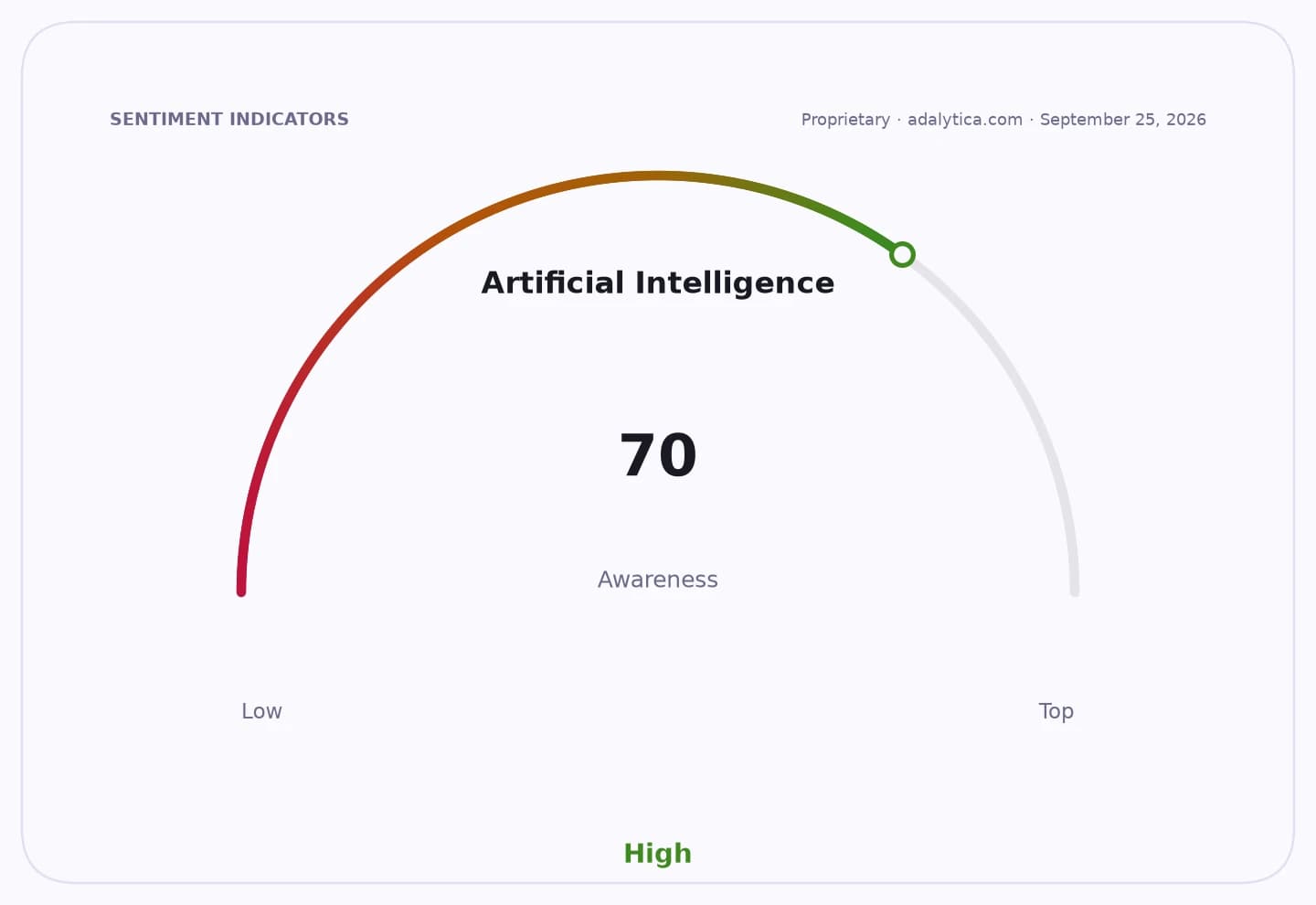
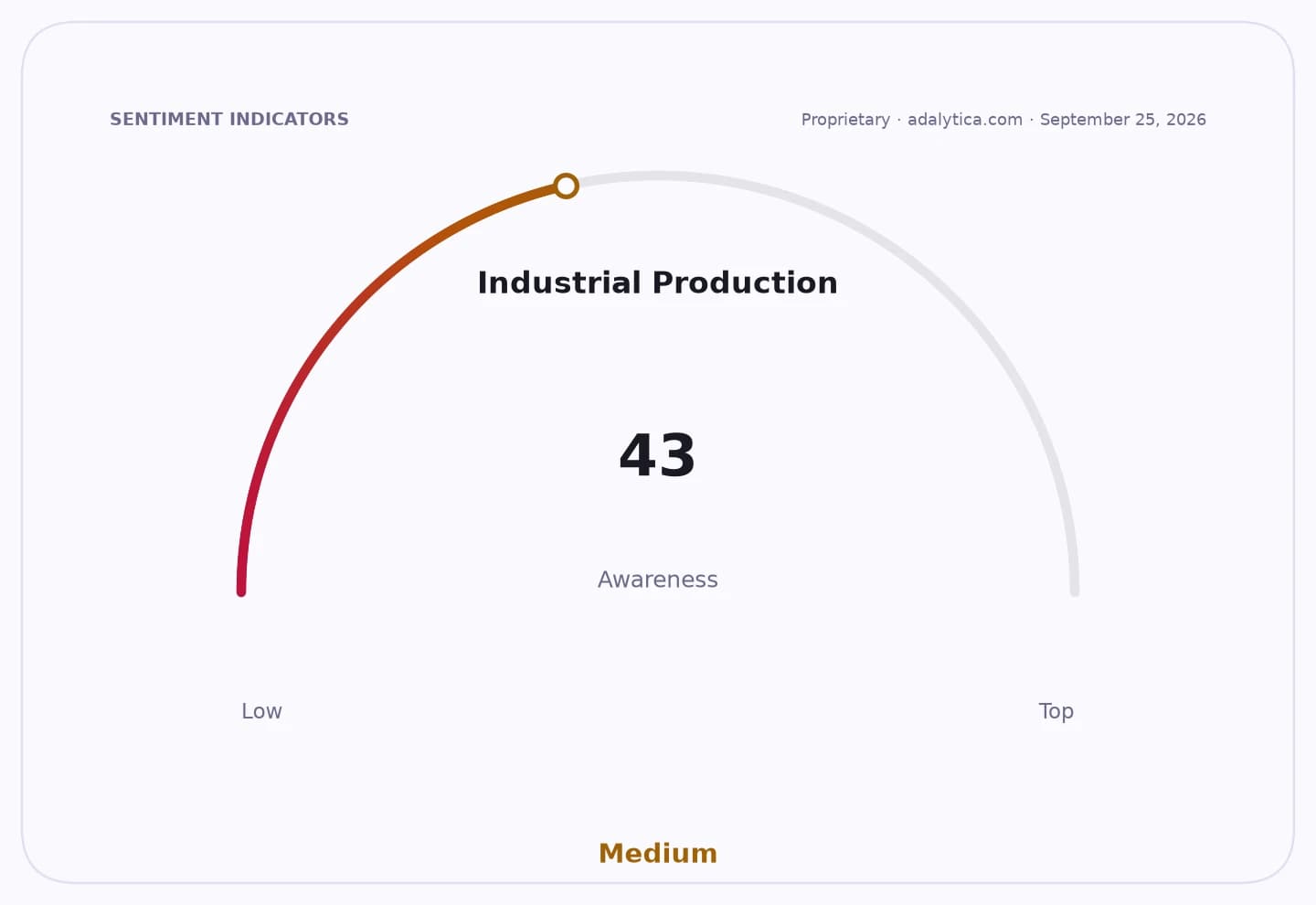
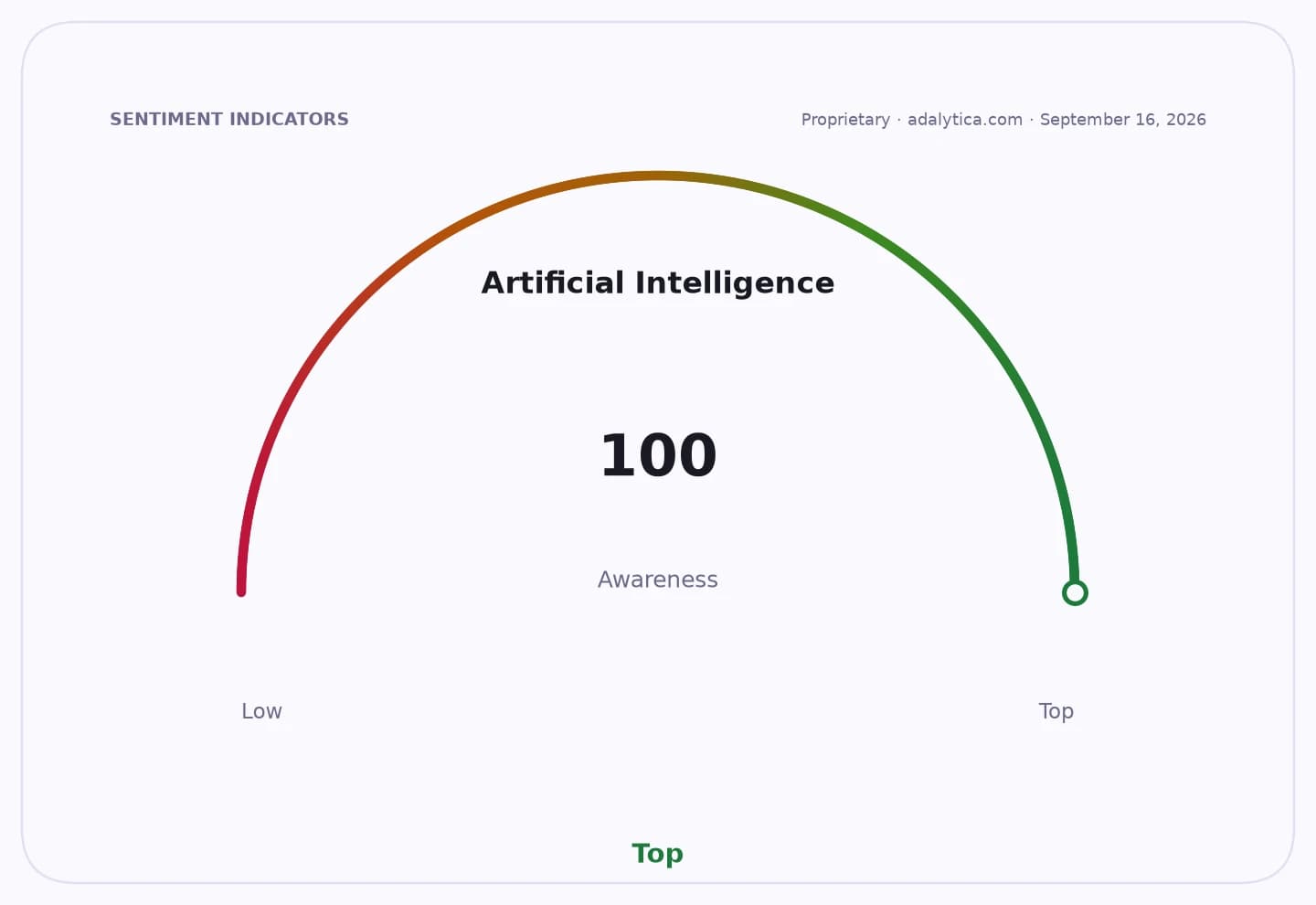
Sentiment IndicatorsⓘProprietary · adalytica.com · September 16, 2026
This is a snapshot — live sentiment, awareness and momentum for 130+ markets update continuously in the dashboard.Open AlphaPulse
The spending will not be evenly split in purpose. Jeonbuk is slated to receive 730 billion won by 2030 to build software platforms that let robots and factory equipment work together and integrate entire plants into a single system. Gyeongnam will get 670 billion won for models that can learn worker behavior, physical laws and spatial information to carry out precision tasks in defense, shipbuilding and machinery.
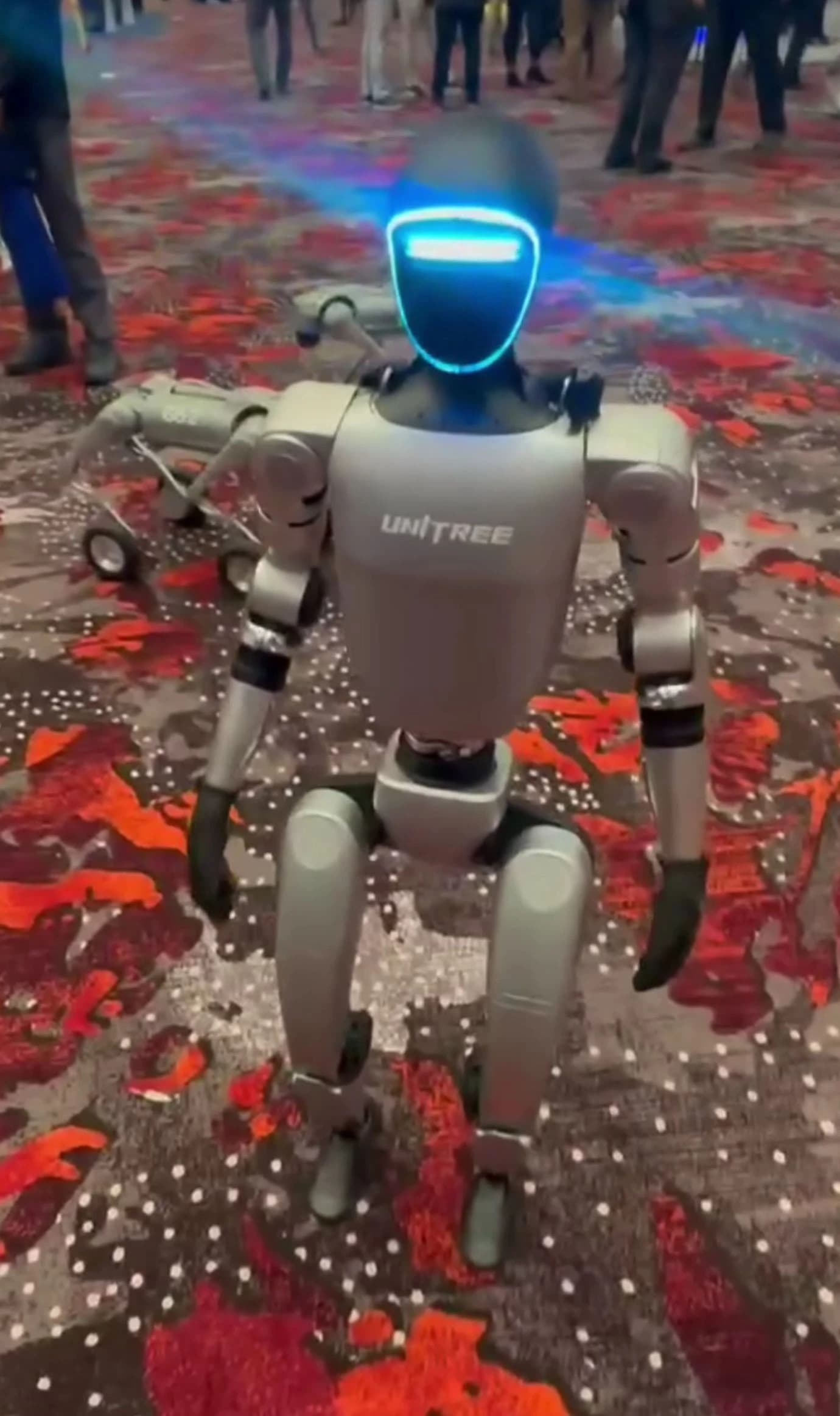
That mix matters economically because South Korea is trying to move up the value chain in advanced manufacturing at a time when labor costs, aging demographics and global supply-chain competition are squeezing traditional factory models. Physical AI — a blend of robotics, sensors, software and machine learning — is increasingly seen as the layer that can make industrial automation more flexible and more profitable than conventional fixed-line systems.
For investors, the announcement is another signal that public money will continue to support the industrial AI ecosystem, including robotics, automation software, industrial sensors and the semiconductor suppliers that underpin AI workloads. It also reinforces the idea that demand for AI will not be confined to chatbots and cloud services: the next leg of spending may come from factories, ports and shipyards, where productivity gains can be measured in output, defects and labor substitution.
The backdrop is global, but the local execution is political as well. By concentrating the program in Jeonbuk and Gyeongnam, Seoul is trying to spread high-tech investment beyond the capital region while building specialized industrial clusters. If the program works, it could create a domestic reference case for exporting factory systems and industrial AI know-how overseas, particularly into markets that want automation but lack integrated platform technology.
The bull case is that the government is seeding an early industrial AI platform with real-world applications, which could accelerate adoption by manufacturers and create procurement demand for robotics and AI hardware. The bear case is that large public programs often move more slowly than advertised, with commercialization risks, fragmented industrial standards and uncertain returns on investment.
Still, the scale of the commitment suggests South Korea wants physical AI to become a national competitiveness tool, not just an innovation slogan. The key catalysts now will be whether the projects produce measurable gains in factory productivity, whether private companies join in with additional capital and whether the model can be scaled beyond the two pilot regions.
| Entity | Gains | Losses |
|---|---|---|
| Jeonbuk & Gyeongnam | ▲New AI industrial funding | ▼Risk of slow commercialization |
| Robotics & automation firms | ▲Public procurement demand | ▼Pressure to prove ROI |
| Semiconductor suppliers | ▲Higher AI-related hardware demand | ▼None immediate |
| Traditional factory operators | ▲Productivity gains | ▼Higher transition costs |