Vietnam’s construction materials makers are posting sharply higher profits after nine months of 2026 as a booming economy, faster public investment and stronger construction activity lift demand for plastic pipes, stone and cement.
Vietnam construction materials profits rise on demand
The clearest driver is the macro backdrop. Vietnam’s GDP rose 9.01% in the first nine months of 2026 from a year earlier, with industrial output and construction up 11.21% and the construction sector alone expanding 12.22%, according to the General Statistics Office. Faster disbursement of public investment is feeding directly into infrastructure and building demand, giving material suppliers a broad-based volume boost.
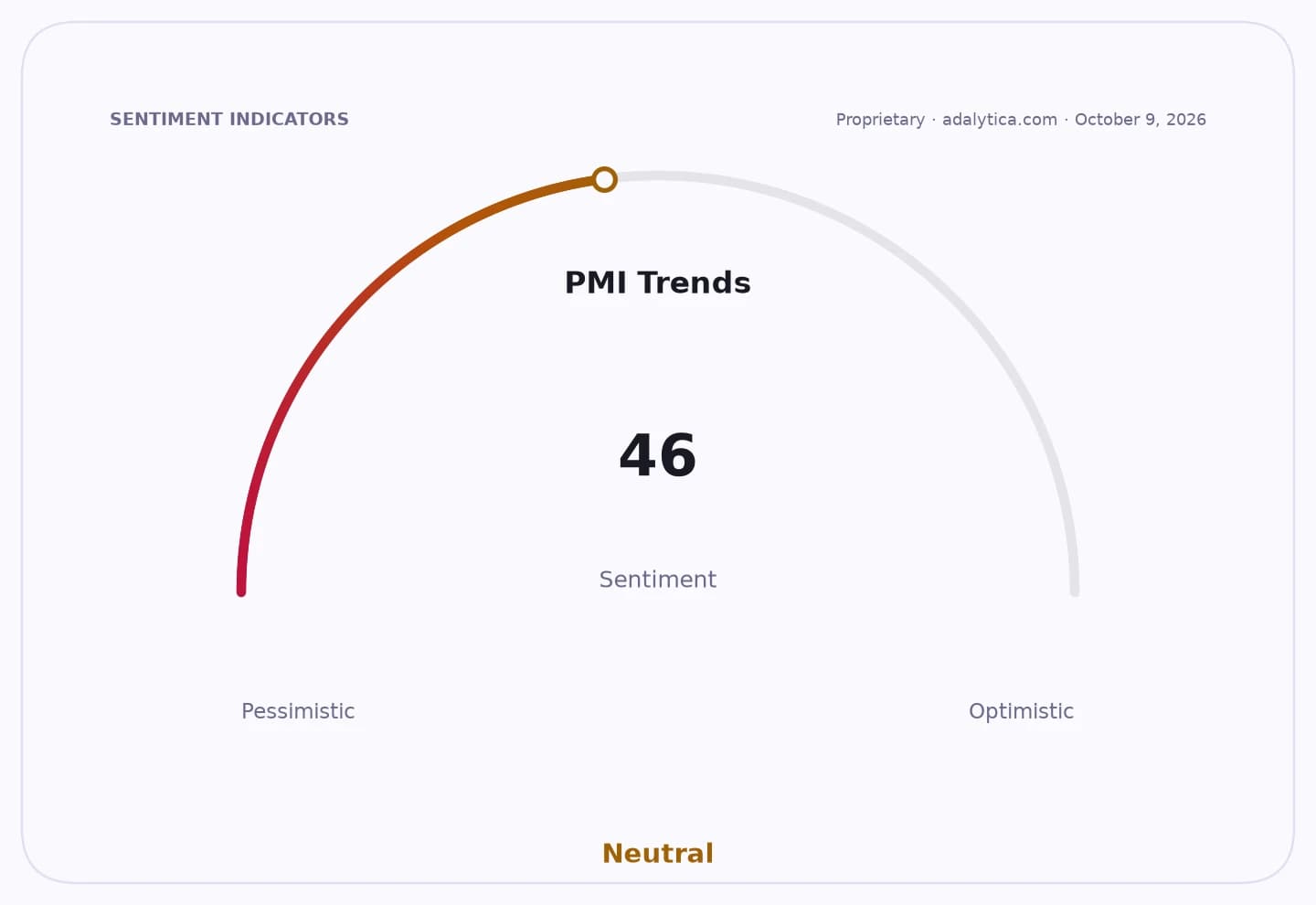
Sentiment Indicators
That is showing up in company results across the sector. Nhựa Thiếu niên Tiền Phong (NTP) said third-quarter net revenue climbed 30.8% to 2.106 trillion dong and nine-month profit rose 29.3% to 1.022 trillion dong, helped by stronger sales. Stone producer Biên Hòa Construction and Building Materials (VLB) reported a 34.8% rise in third-quarter revenue and said stone sales volumes rose 19.1%, pushing nine-month profit to nearly 566 billion dong, 2.8 times last year’s level.
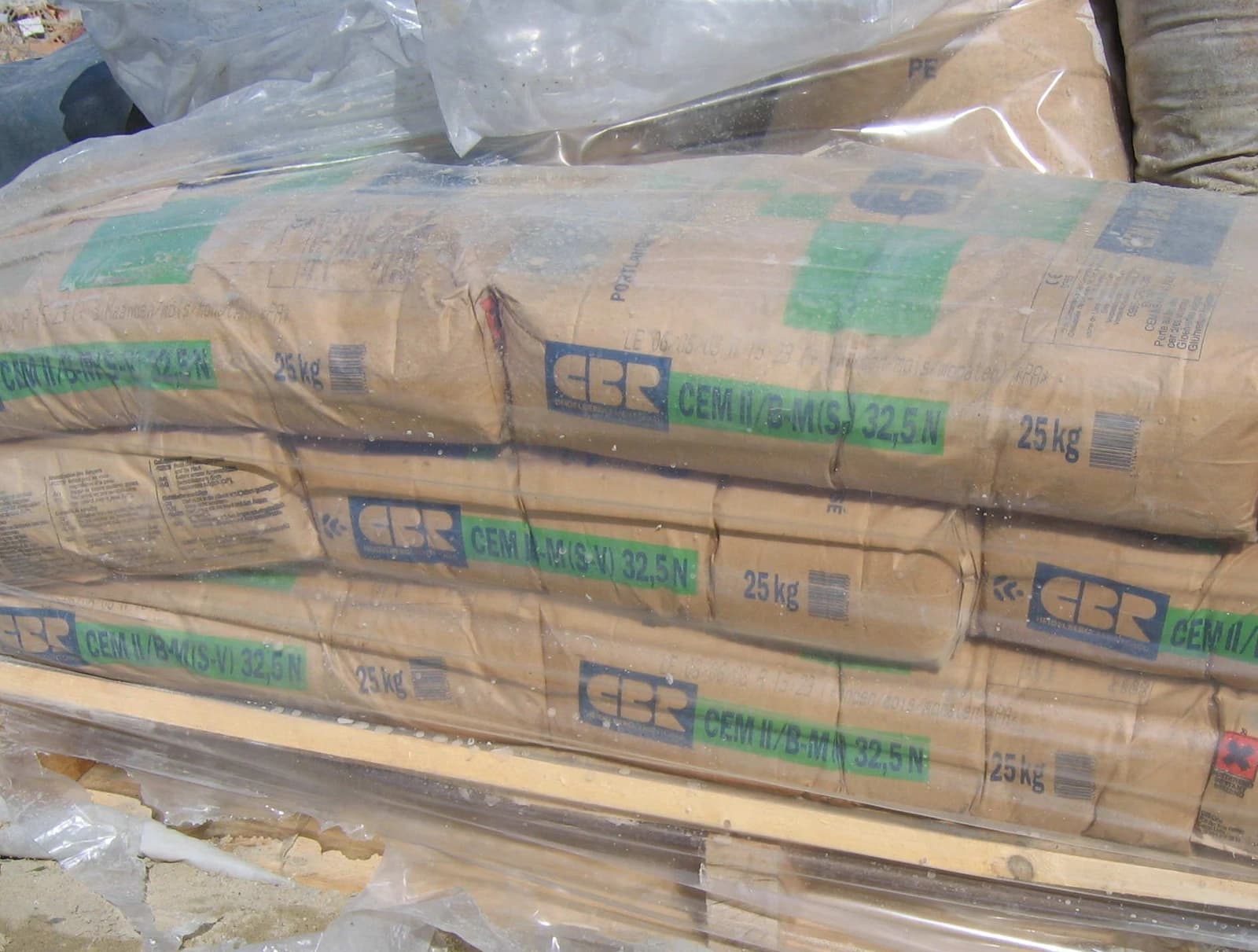
Cement names are also improving. VICEM Hà Tiên (HT1) said nine-month profit jumped 67% to 315.5 billion dong, while VICEM Bút Sơn (BTS) swung to a 30.2 billion dong nine-month profit from a 6 billion dong loss a year earlier. Even where top-line growth was uneven, tighter cost control and better pricing helped margins recover.
The earnings story is not uniform. Nhựa Bình Minh (BMP) said third-quarter profit fell 8.9% as cost of goods sold rose, though nine-month profit still edged up 2.4% to 990.5 billion dong. Some companies are also getting a lift from one-off items, including VLB’s 344 billion dong reversal tied to mineral extraction rights payments, which swelled other income.
For investors, the implication is that Vietnam’s infrastructure cycle is finally translating into earnings, not just order flow. Producers tied to roads, housing and public works stand to benefit most if government spending keeps accelerating, while companies with pricing power and cost discipline should outperform peers still exposed to input-cost pressure.
The next test is whether the public investment push can stay strong into year-end and whether construction momentum holds as the broader economy cools from its rapid pace. If it does, the sector’s profit surge may prove durable rather than a one-quarter spike.
| Entity | Gains | Losses |
|---|---|---|
| Construction materials producers | ▲Higher sales, stronger margins | ▼Exposure to input-cost swings |
| Public-investment beneficiaries | ▲Faster project demand | ▼Delays if disbursement slows |
| NTP, VLB, HT1, BTS | ▲Profit growth, volume gains | ▼More modest peers |
| BMP and cost-heavy firms | ▲Some pricing support | ▼Margin pressure from higher costs |