Guinea is betting that a bigger public-spending package and heavy fuel subsidies can protect households this year, even as officials lift the inflation forecast and trim the growth outlook.
Guinea 2026 budget lifts subsidies, cuts investment

That is the core message from Finance Minister Mariama Ciré Sylla’s presentation of the 2026 supplementary budget to lawmakers in Conakry on Saturday. The government now expects inflation to average 5.2% in 2026, up from an earlier 3.5% estimate, while growth is seen easing to 6.6% from 7.1% in 2025. For investors, the revision matters because it shows the state choosing short-term price stability and social support over some investment spending, a tradeoff that can shape fiscal discipline, domestic demand and the pace of future infrastructure-led growth.
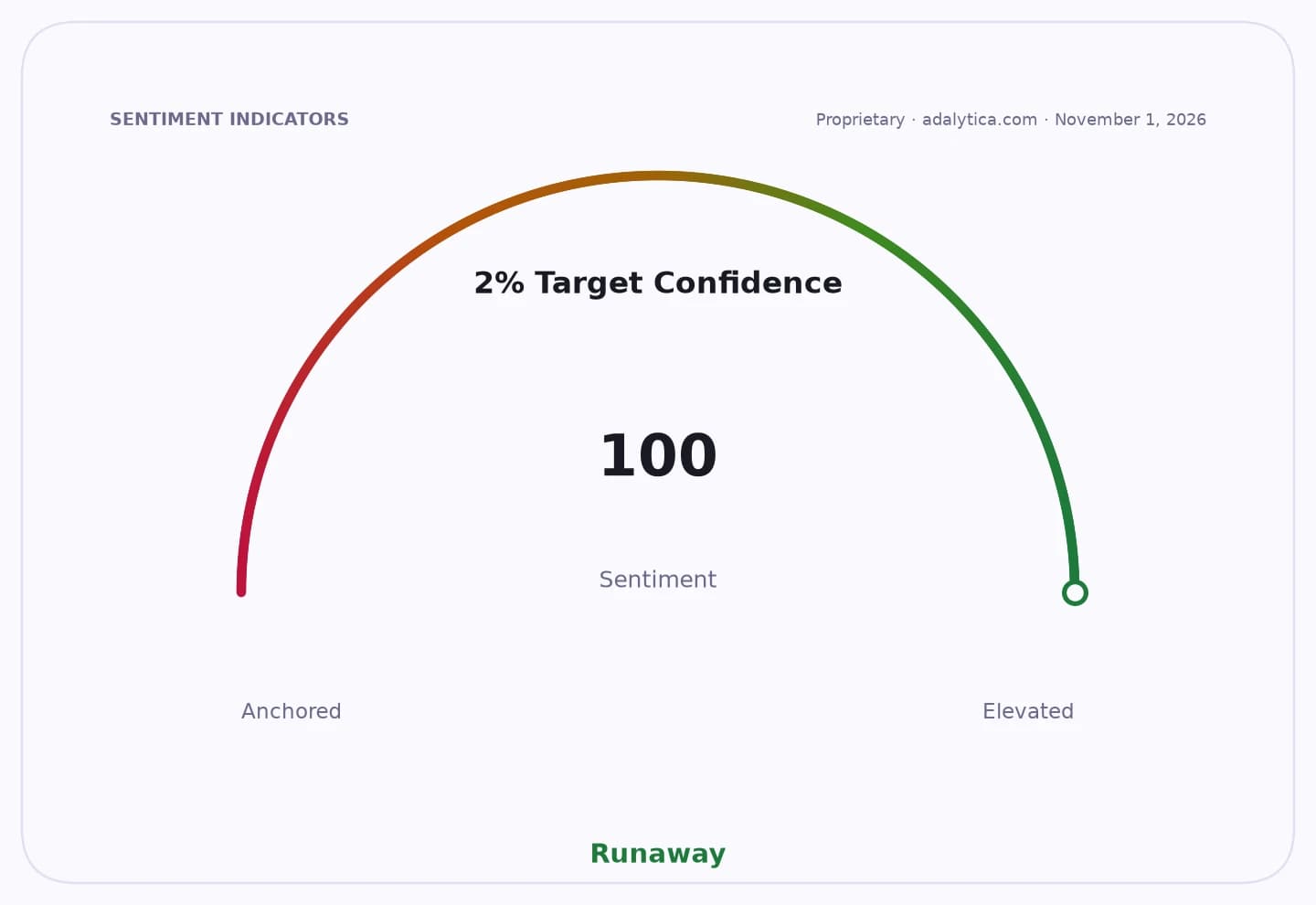
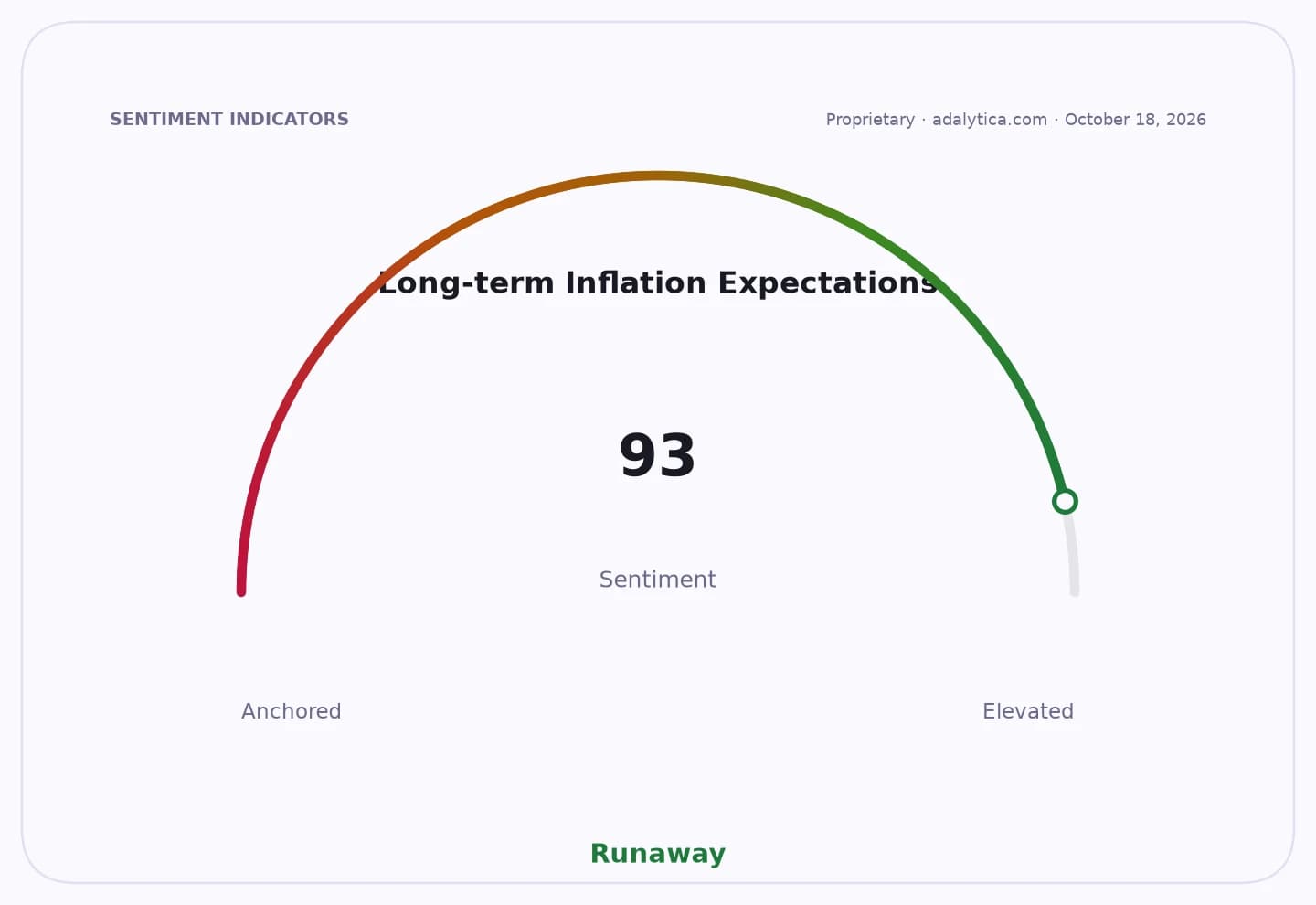
Sentiment Indicators
The budget numbers show how tight the balancing act has become. By Oct. 15, the state had mobilized 44,225 billion Guinean francs, or 85% of initial revenue targets, while spending commitments reached 29,982 billion francs, according to the minister. The deficit is projected at 2.01% of gross domestic product, slightly below the 2.07% initially planned, suggesting the government is still trying to keep the fiscal gap under control even as it expands support.
The most immediate economic issue is fuel. Guinea will keep petrol prices at 12,000 francs a liter, and the government has set aside 5,489 billion francs for subsidies, roughly 10% of projected tax revenue in the revised budget. Officials also estimate revenue losses of about 4,576.7 billion francs from the measures. That helps shield consumers and businesses from imported energy shocks, but it also ties up scarce budget resources that could otherwise go to health, education or capital spending.
For long-term investors, the key question is not whether the subsidy helps this quarter — it does — but whether Guinea can afford it without crowding out the investment that supports higher productivity later. The government says it will strengthen transparency and tracking around the mechanism, which is sensible, but the scale of the bill underscores how vulnerable the budget remains to global energy prices and geopolitical stress.
The spending mix also tells an important story about priorities. Total expenditure is set to rise 5.8%, driven mainly by current spending and household support, while investment spending is being cut by 2,729 billion francs after a review of projects under the Simandou 2040 program. Projects that are not yet well prepared will be delayed. That may slow execution in the near term, but it can also improve capital efficiency if it prevents money from being spread too thin across unfinished projects.
There is a broader structural angle here too. Sylla said digitalization of tax and customs administration has helped lift revenues sharply, with collections doubling between 2023 and 2024 and rising another 50% from 2024 to 2025. That is the kind of trend investors should watch closely, because stronger tax collection is one of the few durable ways a frontier economy can fund social spending without endlessly widening deficits.
Still, the revised macro picture is a reminder that Guinea is not operating in a vacuum. Higher import costs, volatile energy markets and softer growth expectations are feeding into the budget math. The country’s challenge now is to translate rising revenues into visible services without letting subsidies and wage pressure erode the space for investment.
For investors with a long horizon, Guinea’s budget update is less a trading event than a test of execution. If revenue collection keeps improving and the government can target spending more efficiently, the fiscal picture could strengthen. If subsidies keep expanding while investment is postponed, growth could lose momentum. Right now, this looks like a policy mix worth watching, not one to chase blindly.
| Entity | Gains | Losses |
|---|---|---|
| Guinean households | ▲lower fuel prices | ▼higher inflation risk later |
| Government | ▲social stability | ▼fiscal flexibility |
| Revenue authorities | ▲stronger collections | ▼little room for error |
| Infrastructure projects | ▲better screening | ▼delayed capital spending |