Paraguay’s 2027 budget is running into its most important constraint before a single guaraní is spent: how the government will pay for rising public commitments if the dollar keeps weakening and customs revenue keeps sliding.
Paraguay 2027 Budget Faces Revenue and Funding Gap
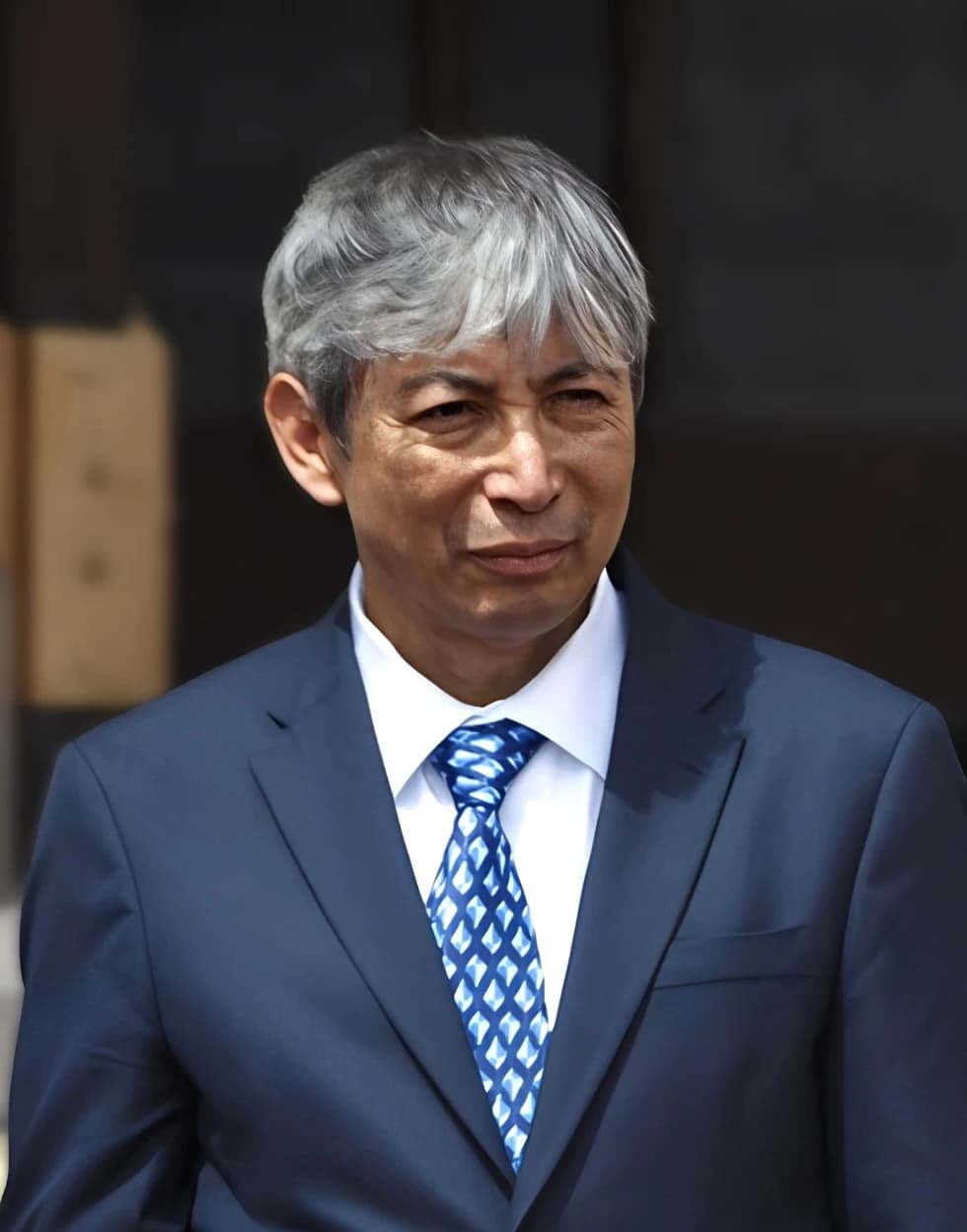
That was the core challenge lawmakers put to Economy Minister Óscar Lovera as he defended the spending plan before the Bicameral Budget Commission. For investors, the issue is bigger than one budget hearing. It goes to the heart of fiscal credibility in a country where imported goods still generate about 40% of tax revenue, and where the state is already being forced to ration cash against approved spending.
Sentiment Indicators
Lovera acknowledged that the exchange rate is hitting public coffers because the peso-dollar move affects import-related collections. He said domestic tax revenue is growing about 10%, but customs revenue is falling 15% to 16%, leaving overall collections up just 2.3% through September. That mix matters because it shows how a softer dollar can squeeze a government even when the economy is still expanding.
The minister told lawmakers the 2027 budget assumes revenue growth of 8% and could still work with the dollar around G. 6,000. But the more important message was his admission that not every approved line item can be funded. In his example, a budget of 100 may only be supported by cash flow of 85, leaving the rest stranded in the plan de caja. That is the reality investors should watch: authorization is not the same as payment capacity.
That gap has broad economic consequences. When the Treasury cannot fully finance spending, the pressure tends to show up in delayed infrastructure works, slower payments to suppliers and tighter room for hospitals, schools and other public services. Over time, those frictions can weigh on growth and make fiscal planning less predictable. For long-term investors, predictability matters as much as the headline deficit number.
The hearing also exposed how Paraguay’s spending commitments are widening beyond 2027. Lawmakers pushed Lovera on the durability of flagship programs such as Hambre Cero, old-age pensions and the fiscal pension system. On Hambre Cero, he said lower income from electricity sales to Brazil would need to be replaced, without giving a precise funding figure. On pensions for older adults, the government expects coverage to rise from 376,000 beneficiaries to 406,000 in 2027. That gradual expansion may help spread the cost, but it also locks in a larger permanent bill.
The Caja Fiscal remains another slow-burning risk. Lovera said the pension reform will reduce the future deficit, but by far less than the government originally hoped. The executive had aimed to cut the increase by 60%, yet changes during the legislative process reduced that effect to about 21%, according to the minister. He also said the 2027 budget assumes a 5% adjustment on the 2026 payroll mass. In other words, the reform is buying time, not solving the problem.
There is also a possible revenue lever lawmakers want the government to pull: tax exemptions and special regimes. Lovera said forgone revenue from exemptions and differentiated rates amounts to roughly 4% of GDP, against a tax burden of 11%. That is a meaningful pool of money, but the ministry did not offer a timeline or a revenue estimate for any overhaul. For investors, that absence is telling. The government knows where some of the pressure points are, but it is still short on a concrete financing roadmap.
The broader narrative here is simple: Paraguay’s fiscal challenge is shifting from whether it can spend to whether it can sustainably fund what it has already promised. A weaker dollar helps import prices, but it also reduces the tax take that finances the state. At the same time, social programs, pension obligations and power-related needs are all moving higher.
That combination does not make Paraguay uninvestable. In fact, countries that confront funding gaps early and clearly often end up stronger over time than those that paper over them. But it does mean investors should keep a close eye on revenue assumptions, customs collections and any move to broaden the tax base. The 2027 budget is not just a spending document. It is a test of whether the government can turn political promises into a credible cash plan.
| Entity | Gains | Losses |
|---|---|---|
| Paraguayan Treasury | ▲More room if revenue reforms materialize | ▼Cash strain from weaker customs income |
| Legislators | ▲Leverage to demand clearer fiscal plans | ▼Political risk if spending gaps widen |
| Public service recipients | ▲Potentially preserved programs if funding is secured | ▼Delays if the plan de caja tightens |
| Exporters and importers | ▲Potential clarity on exchange-rate effects | ▼Squeezed by lower-dollar tax backdrop and uncertainty |