Colombia’s peace court is heading into a politically charged budget fight after lawmakers accused it of spending more than 209 billion pesos on legal defense, rent, travel and events, a dispute that could trim nearly 100 billion pesos from the JEP’s 2027 funding.
Colombia JEP Budget Fight Over 2027 Funding Cut
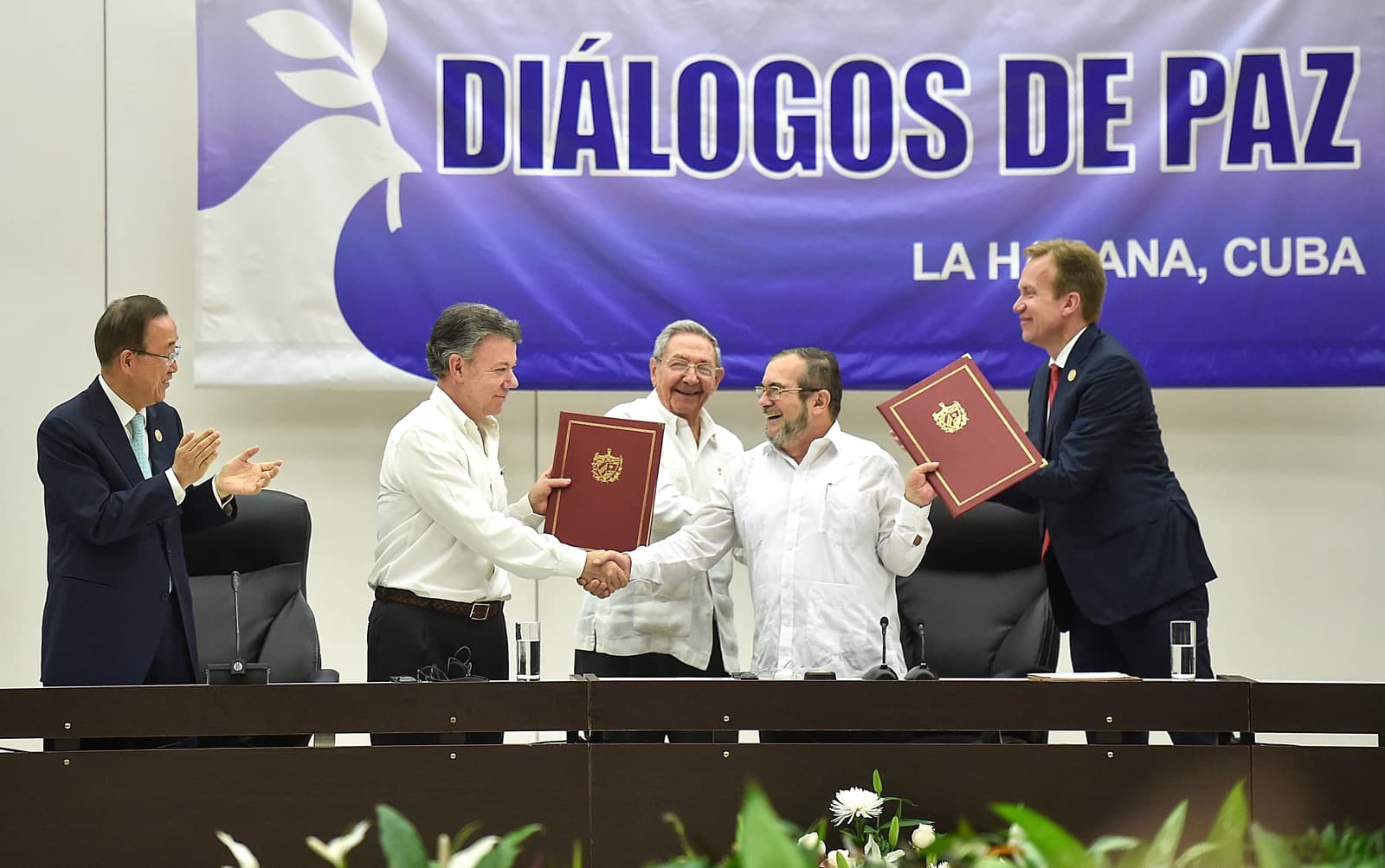
The issue matters because the JEP sits at the center of Colombia’s transitional justice model, and any reduction in its resources could slow hearings, sanctions, victim reparations and case processing just as the tribunal moves deeper into its most sensitive work on former FARC commanders. The debate also lands in a tight fiscal environment, where Congress is under pressure to curb operating spending across the state.
Senator María Clara Posada said the court has devoted 209.904 billion pesos to four questioned items: 40.365 billion pesos for legal defense for former FARC combatants who entered the transitional system, 114.202 billion pesos for office rent, 31.374 billion pesos for event logistics and 23.963 billion pesos for air tickets. She argued the cut should be at least 50% and said the JEP has not adequately explained how the money was executed.
For investors and public-finance watchers, the row is less about one line item than about the credibility of Colombia’s spending priorities. A larger budget for the JEP supports the legal architecture of the 2016 peace accord and reduces the risk of delays that can fuel political friction, but it also adds to a state budget already facing scrutiny over rigid expenditures and weak fiscal room.
The JEP pushed back, saying the 209.904 billion-peso figure does not represent payments to individual lawyers but rather convenios with Fundación Panamericana para el Desarrollo, or FUPAD Colombia, that include legal advice, technical defense and psychosocial support. It said the teams include lawyers, psychologists, analysts and advisers, and that the structure is meant to protect due process for both victims and comparecientes under the court’s legal mandate.
On the specific defense of the former FARC secretariat, the tribunal said the work is handled by two legal-defense lawyers, three in legal coordination, one additional coordination lawyer and one adviser, with monthly fees ranging from 8.54 million pesos to 10.41 million pesos. It argued that defense spending is an essential judicial guarantee, while also saying the public should scrutinize its finances with complete and contextualized information.
The next test is political, not judicial: the congressional economic commissions will decide whether the proposed cut advances in the 2027 budget process. If lawmakers press ahead, the JEP could be forced to prioritize narrower operations and defend its spending model more aggressively; if the cut is rejected, the institution keeps its funding but faces a more hostile political backdrop and continued questions over how much the peace process should cost.
| Entity | Gains | Losses |
|---|---|---|
| Colombian Congress | ▲Oversight leverage | ▼Political patience |
| JEP | ▲Budget stability if cut fails | ▼Funding if cut advances |
| Former FARC comparecientes | ▲Guaranteed defense if funded | ▼Access if resources shrink |
| Taxpayers/fiscal hawks | ▲Spending restraint if cut passes | ▼Institutional spending if status quo holds |