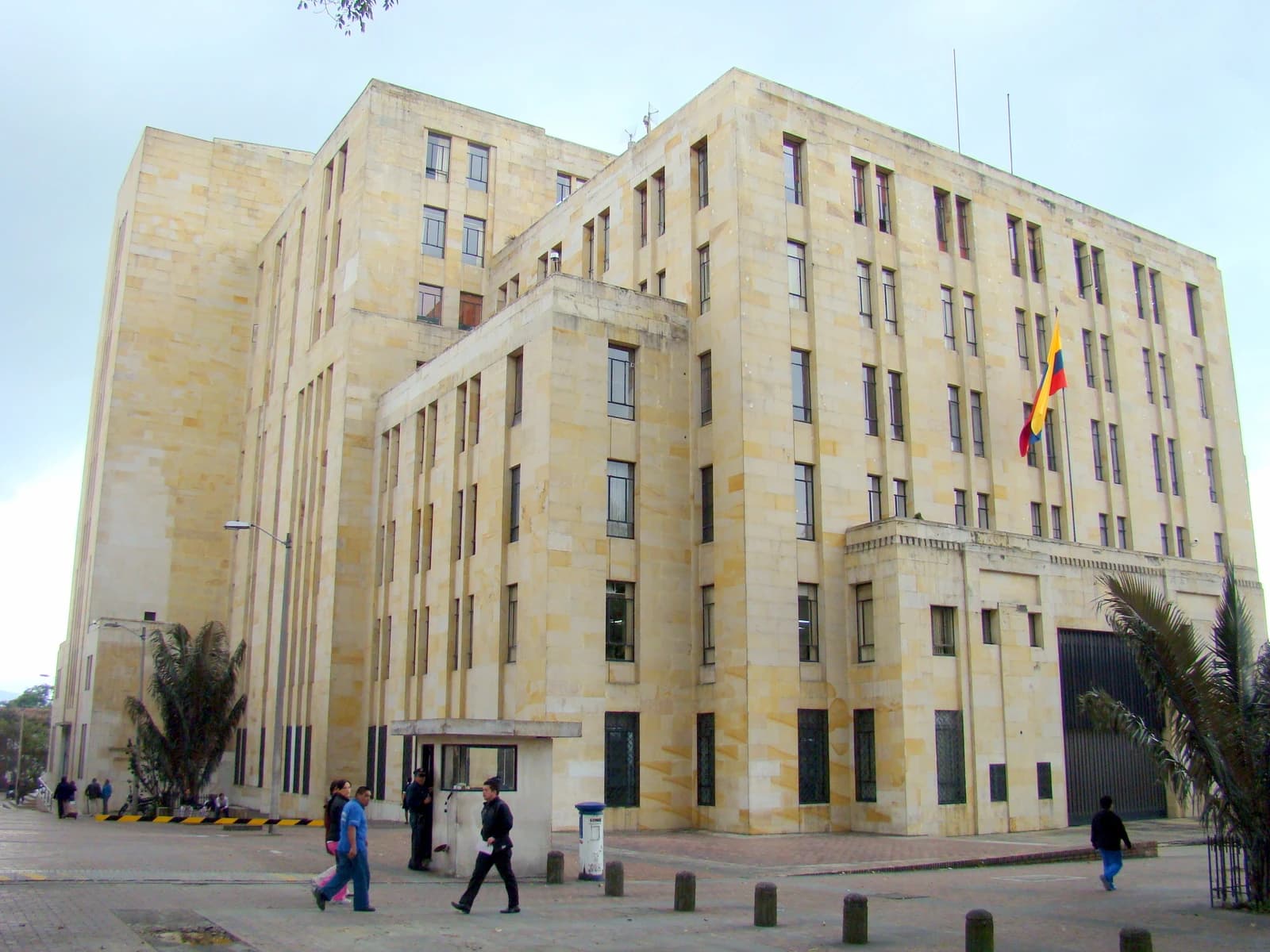
Colombia’s state pension administrator Colpensiones is facing a funding shortfall of as much as 5.4 trillion pesos in 2026, raising a politically sensitive question over whether the government must reallocate budget resources to cover December pensions and the year-end bonus for nearly 2 million retirees.
Colpensiones Faces 5.4 Trillion Peso 2026 Shortfall
The gap matters because pension payments are a priority item in the budget and a failure to fund them would immediately hit household income for a large and vulnerable base of beneficiaries. Officials and pension experts say an outright payment delay is unlikely, but the shortfall underscores pressure on public finances at a time when higher-than-expected wage growth and a pension system tilted toward minimum benefits are driving costs above budget assumptions.
Colpensiones said it needs about 58 trillion pesos for 2026, while payments made between January and July already total more than 40.07 trillion pesos, including 5.56 trillion pesos in July alone. On that math, the entity would have only about 18 trillion pesos left for the rest of the year, enough to get through November but leaving December pensions and the 13th monthly payment exposed unless the government adds funds.
The financing problem stems largely from a mismatch between the budget and the actual rise in Colombia’s minimum wage. Asofondos president Andrés Velasco said the 2026 budget assumed a 7.5% increase, but the final hike was 23.7%, lifting obligations for Colpensiones because roughly 60% of its pensions are tied to the minimum wage. That means higher contributions help, but not enough to offset the jump in benefit costs.
The issue is economically important well beyond the pension system itself. Colpensiones pays 1.94 million retirees, and 1.17 million of them receive the minimum wage, with another 408,993 receiving between one and two minimum wages. Together, those groups account for 82% of beneficiaries, so any funding strain lands directly on lower-income households that tend to spend quickly and locally. In macro terms, pension disbursements support consumption, especially late in the year, and any administrative disruption would ripple into retail sales and services.
For investors, the immediate focus is not on default risk but on fiscal execution. The government will likely have to shift spending or secure additional appropriations to avoid a December bottleneck, adding to scrutiny of Colombia’s budget discipline and the sustainability of social spending. That could matter for sovereign bond holders if it signals broader slippage in fiscal planning, and for local asset managers watching the pace of pension reform implementation and its impact on public accounts.
The dispute also highlights the political and legal limits around the government’s earlier idea of using 8.7 trillion pesos held in private pension accounts from workers who moved from the individual savings regime to the public system. That proposal was suspended by the Consejo de Estado, and lawyers say those funds remain protected under the pension reform law until the individual pension is fully crystallized. If that route stays blocked, the government’s only realistic option is a fresh budget allocation.
The broader narrative is that Colombia’s pension system is being forced to absorb rising benefit costs faster than its funding model was designed to handle. Fewer contributors, more retirees and a larger share of minimum-wage pensions leave the public system exposed to wage shocks, making year-end payments a recurring test for fiscal management.
| Entity | Gains | Losses |
|---|---|---|
| Colpensiones retirees | ▲Higher protection if funds are reallocated | ▼Risk of delayed year-end payments |
| Colombian government | ▲Avoids immediate payment disruption if it covers the gap | ▼Faces added budget pressure |
| Private pension funds / AFPs | ▲Keep client assets under legal protection | ▼Lose prospect of being tapped to plug the hole |
| Sovereign bondholders | ▲Benefit if the gap is resolved cleanly | ▼Face concern over fiscal slippage |