Public-sector workers in Peru will receive their September salaries on Monday and Tuesday through Banco de la Nación, a routine but economically important transfer that puts government payroll at the heart of household spending, bank liquidity and short-term cash flow across the country.
Peru public-sector salaries paid Sept. 21-22
For investors, the story is less about the calendar and more about what it represents: a steady monthly injection of income into the consumer economy. When the state pays teachers, health workers, cultural staff and election-related officials on a staggered schedule, it helps smooth cash circulation and reduce the strain that comes from everyone trying to withdraw at once. That matters in a country where public wages remain a meaningful pillar of day-to-day demand.
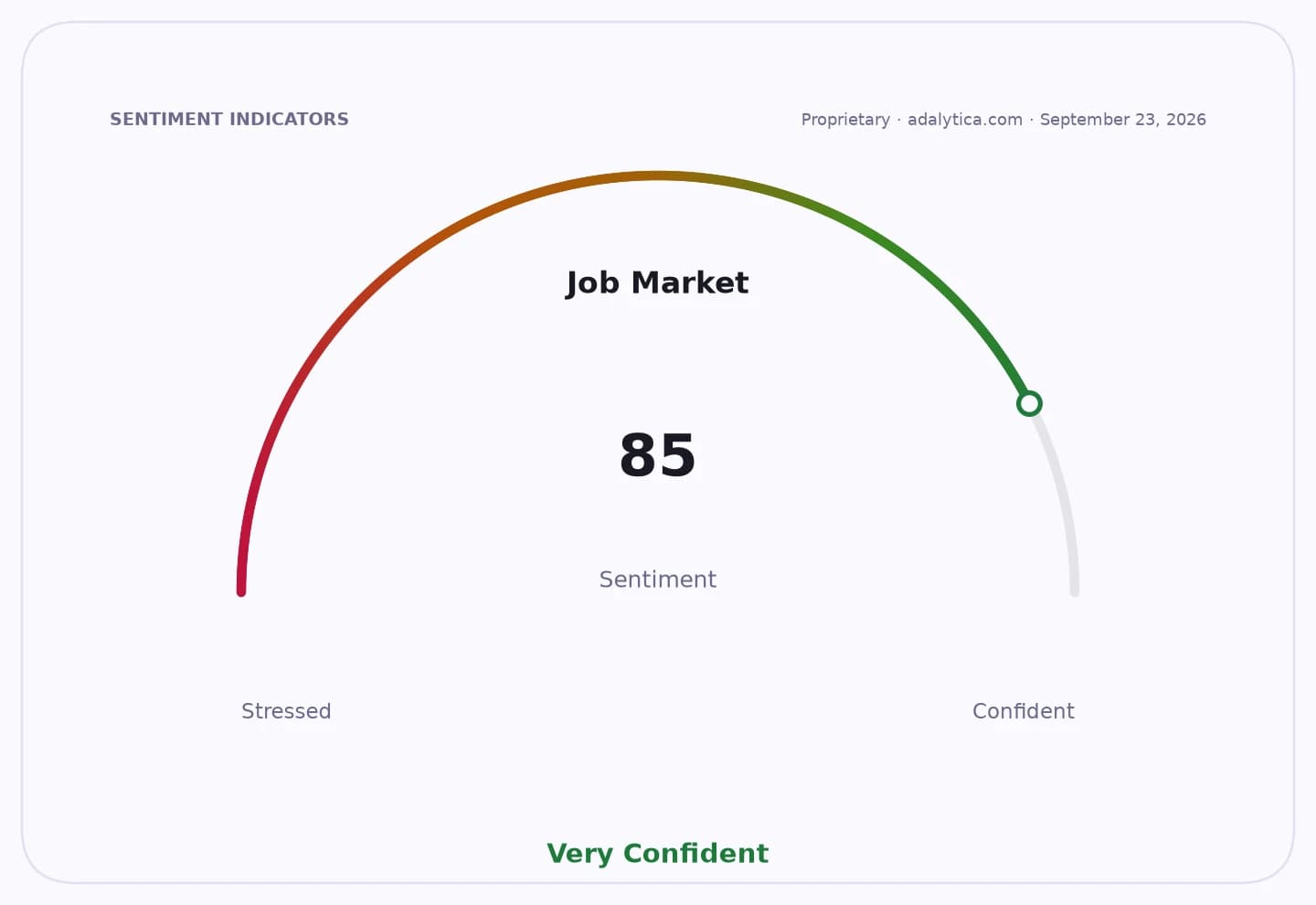
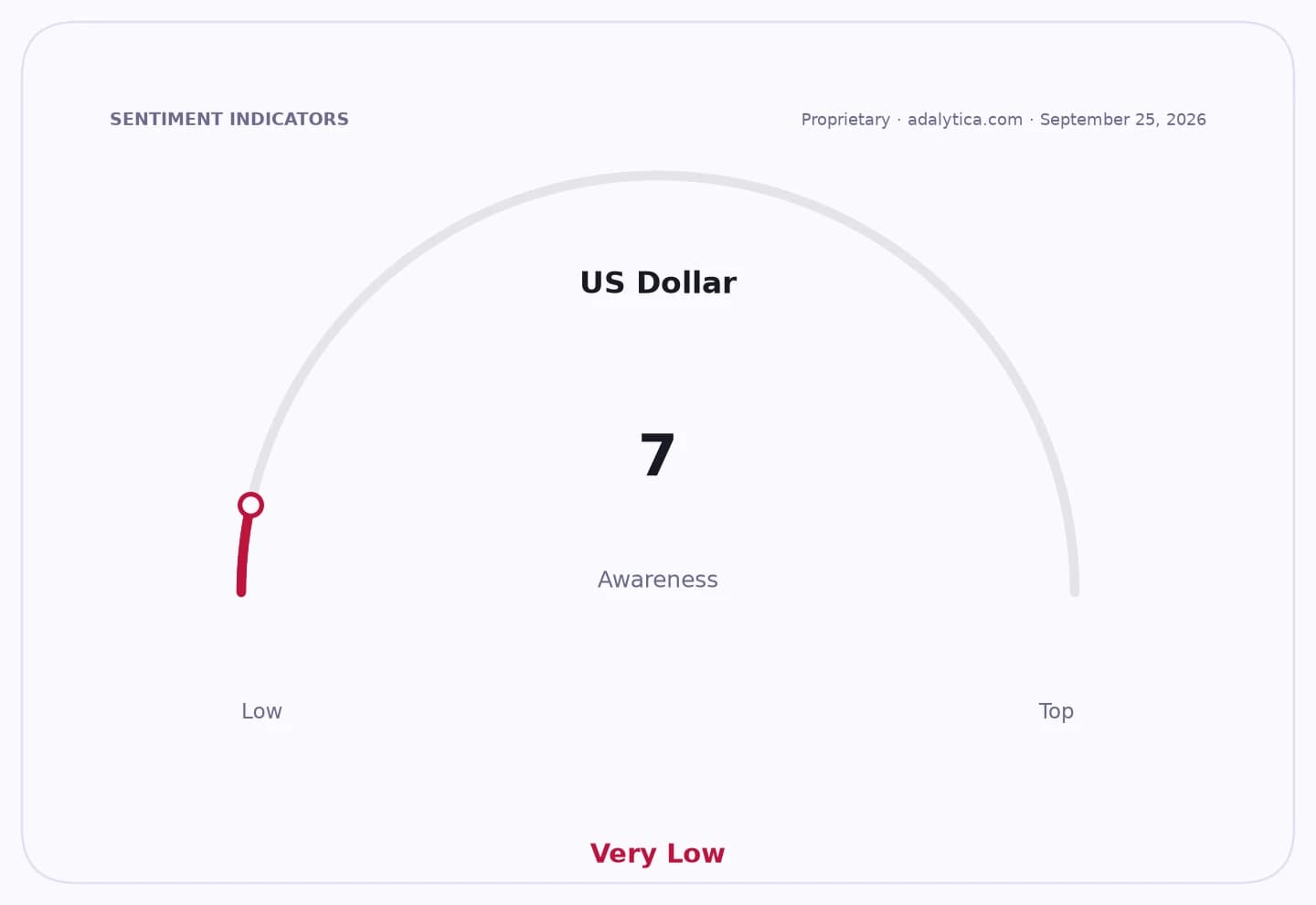
Sentiment IndicatorsⓘProprietary · adalytica.com · September 25, 2026
This is a snapshot — live sentiment, awareness and momentum for 130+ markets update continuously in the dashboard.Open AlphaPulse
On Sept. 21, workers at the Health Ministry, the Ministry of Women and Vulnerable Populations, the Culture Ministry, the Environment Ministry, the Labor Ministry and the civil registry Reniec are scheduled to be paid. On Sept. 22, the payroll wave extends to the Production Ministry, the Foreign Trade and Tourism Ministry, the election authority ONPE, the military justice system, the National Board of Justice, the electoral tribunal JNE and the Constitutional Tribunal.
The broader economic point is that public wages are not just an administrative line item. They are a direct transmission channel from the government budget into household consumption, and consumption is what keeps many local businesses moving. Retailers, food sellers, transport operators and service providers all benefit when public workers are paid on time. Banks and payment networks also benefit from the orderly flow, especially Banco de la Nación, which handles the disbursements.
The timing also arrives as labor income remains a key focus in Peru’s wider economic debate. Private-sector wage growth has been improving, and policymakers have been trying to encourage a healthier link between economic expansion and pay. Government payrolls, pension payments and other transfers are part of that same ecosystem: they stabilize incomes and help sustain spending even when private demand is uneven.
The National Pension Office, or ONP, separately began home pension deliveries on Sept. 14, with visits running through Sept. 23. That adds another layer of state-linked income support for older Peruvians, reinforcing the role of public transfers in supporting consumption.
For long-term investors, the takeaway is simple: recurring salary and pension payments are one of the quiet engines of domestic demand. They may not move headlines like interest rates or elections, but they matter for banks, retailers, consumer lenders and the broader health of the economy. If you invest in Peru or in companies exposed to local spending, this is worth watching as part of the country’s monthly liquidity cycle.
| Entity | Gains | Losses |
|---|---|---|
| Public-sector workers | ▲Timely salary access | ▼Payment delays if schedules slip |
| Banco de la Nación | ▲Transaction flow and deposits | ▼Operational pressure from mass payouts |
| Local retailers and service firms | ▲More household spending | ▼Slower sales if disbursements are disrupted |
| Government budget planners | ▲Orderly payroll execution | ▼Less flexibility in cash management |