Paraguay’s long-delayed bill to deindex the minimum wage from government fees and fines is slipping out of reach as lawmakers head toward a December recess, leaving workers exposed to another year in which wage gains can be offset by higher public charges.
Paraguay minimum wage deindexing bill stalls
The draft was supposed to reach Congress in September, but labor leaders say they still have not seen an official text from the Labor Ministry, despite months of talks in the Tripartite Consultative Council. With the legislature set to break from Dec. 21, 2026 until March 1, 2027, unions say the clock is running out on a reform they see as essential to preserving purchasing power.
Sentiment Indicators
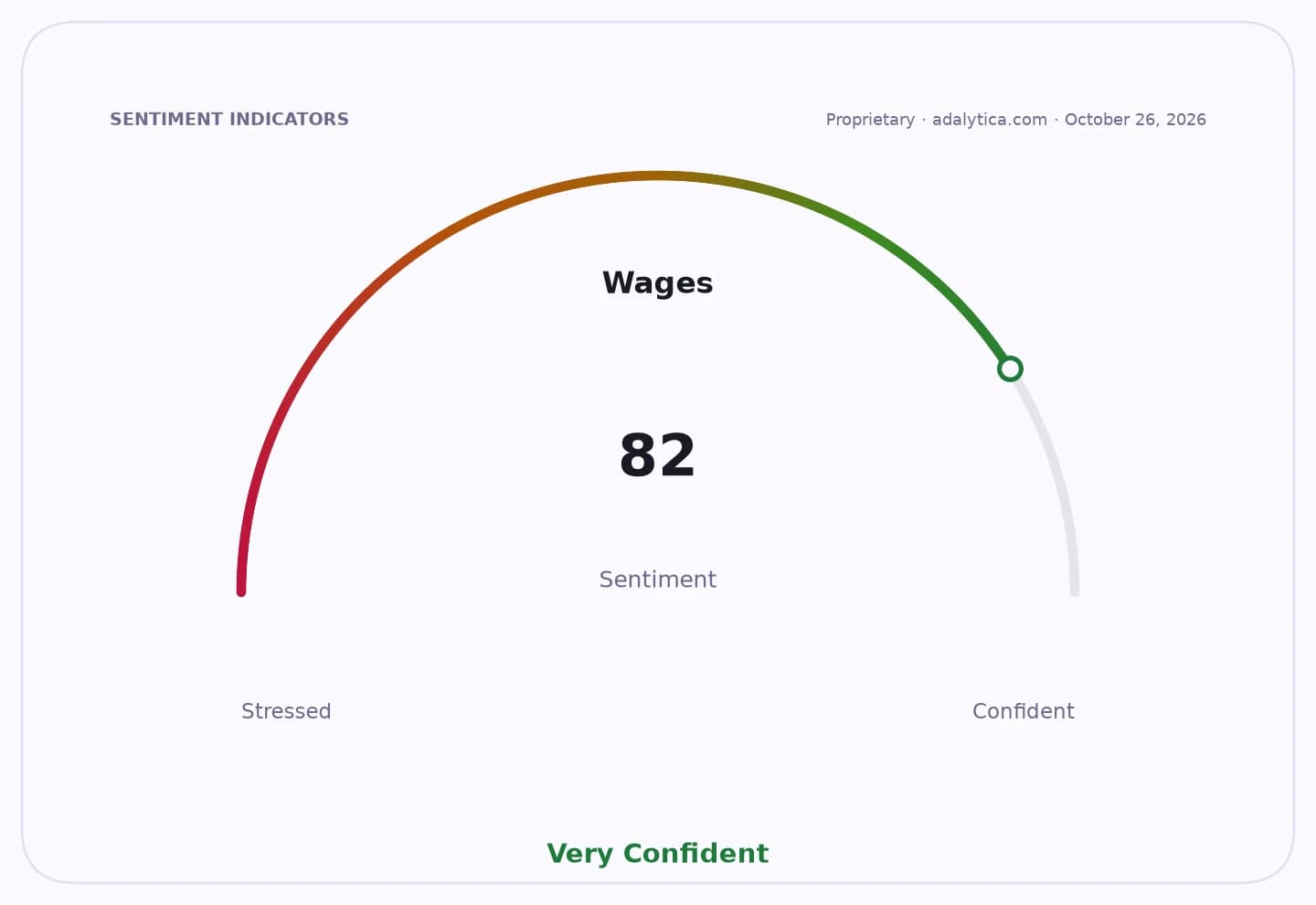
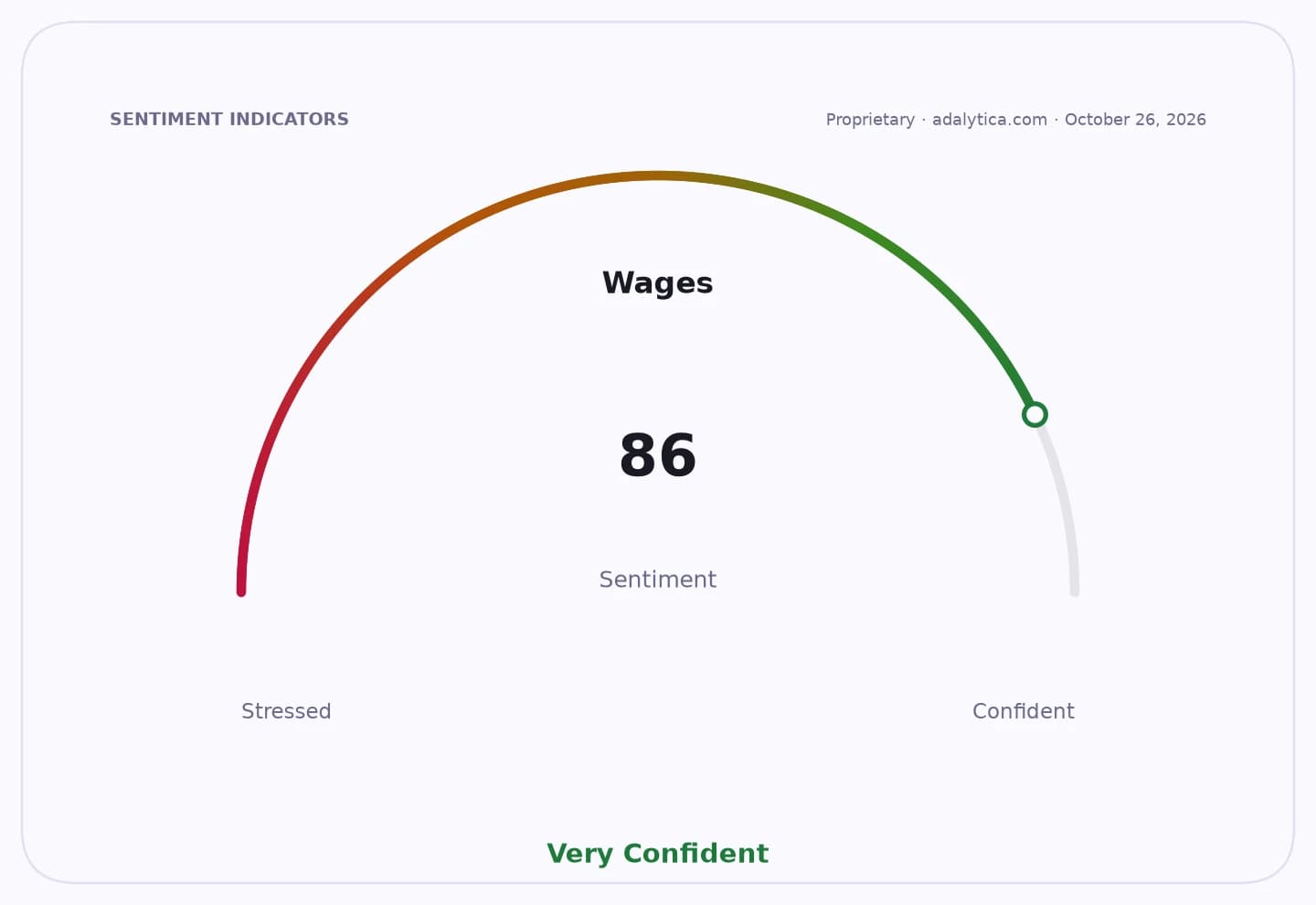
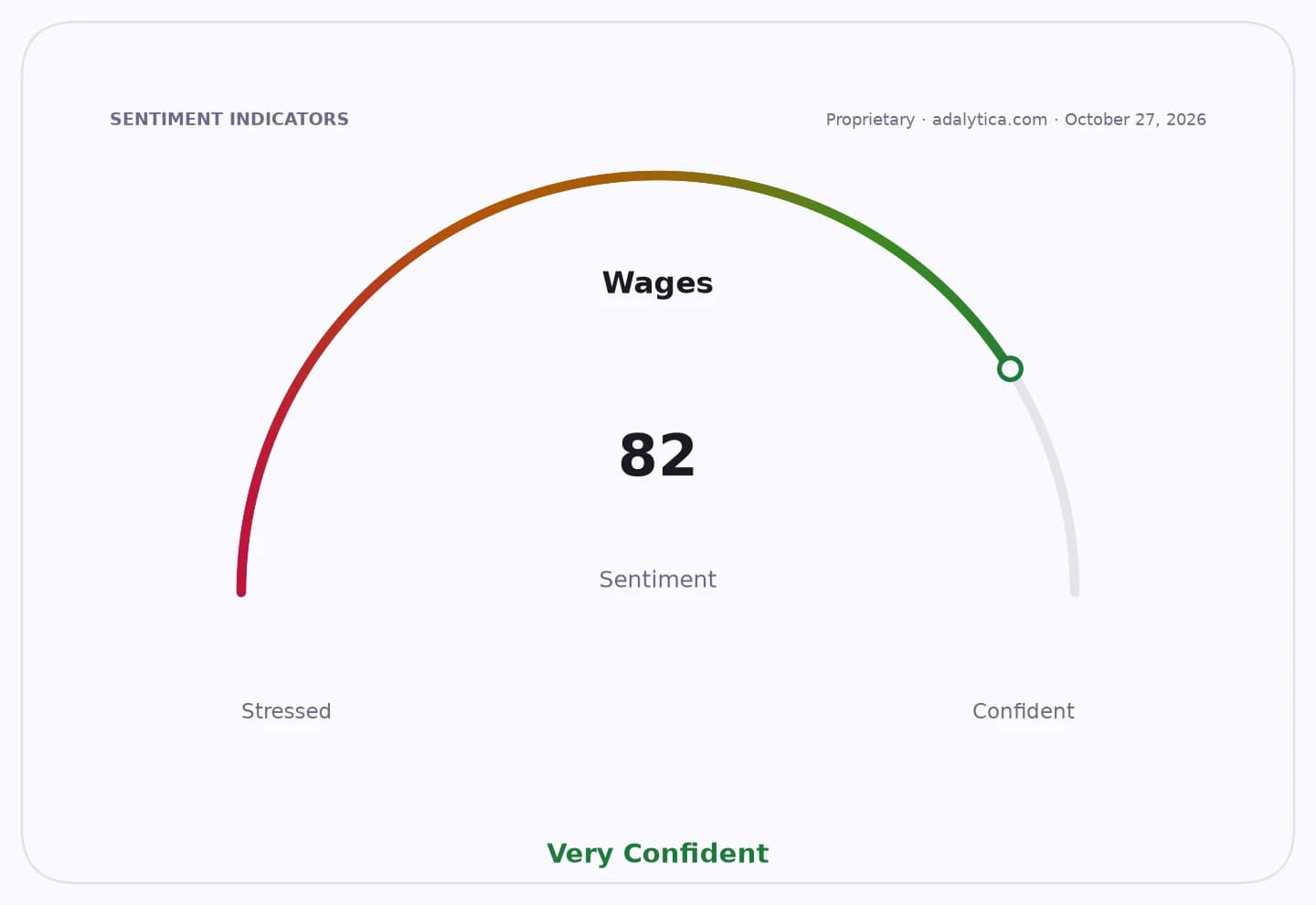
Wages
At issue is whether annual minimum-wage adjustments should remain tied to taxes, municipal fees, court costs and fines. Labor groups argue the current setup turns pay raises into a windfall for the state by pushing up charges that workers also have to absorb, weakening the real value of wage increases just as households are struggling with rising living costs.
The political impasse matters economically because it leaves the wage-setting framework unchanged ahead of next year’s labor negotiations. Paraguay’s wage debate is already sensitive: unions are pushing for a larger increase for 2027, while employers warn that steep hikes could pressure margins and unsettle business conditions. A broader reform that trims the pass-through from wage increases to public charges would soften some of that pressure on workers, but its absence keeps the conflict focused on headline pay alone.
CPI
For investors, the standoff is a reminder that labor costs and consumer demand in Paraguay remain uncertain. Companies exposed to domestic spending would benefit if real wages improved without a matching jump in fees and fines, but businesses facing higher payrolls without any policy offset could see margins squeezed. Retailers and consumer companies are especially sensitive to that balance, as are employers broadly in a labor market where wage policy can affect hiring and formalization.
The ministry has not publicly explained the delay and did not respond to questions about the bill’s progress. Union leaders say they have asked for the Tripartite Consultative Council to be reconvened, but say they have received no reply, increasing the odds that the proposal becomes, in their words, another broken promise.
With the parliamentary recess only weeks away, the immediate risk is not a surprise reform but a familiar one: another year of negotiations without a law. That would keep minimum-wage politics in the spotlight heading into 2027, along with broader disputes over cost-of-living measurement, social security and labor informality.
| Entity | Gains | Losses |
|---|---|---|
| Workers | ▲Better real wage protection | ▼Higher fees and fines |
| Government bodies | ▲Easier revenue collection | ▼Pressure to reform charges |
| Employers | ▲Policy certainty if talks stall | ▼Higher payroll-cost risk |
| Unions | ▲Leverage in wage talks | ▼Reform momentum fades |