Brazil’s move to scrap the six-days-on, one-day-off work pattern is set to reshape labor costs and scheduling across the economy, but most employees will not need to sign new contracts for the change to take effect.
Brazil Senate Approves Shorter Workweek Reform
The Senate approved the constitutional amendment by 75 votes to 1, clearing the biggest overhaul of Brazil’s working-week rules since the 1988 constitution. The measure preserves pay, lowers the legal weekly cap in stages and forces employers and unions to revisit collective agreements that clash with the new standard.
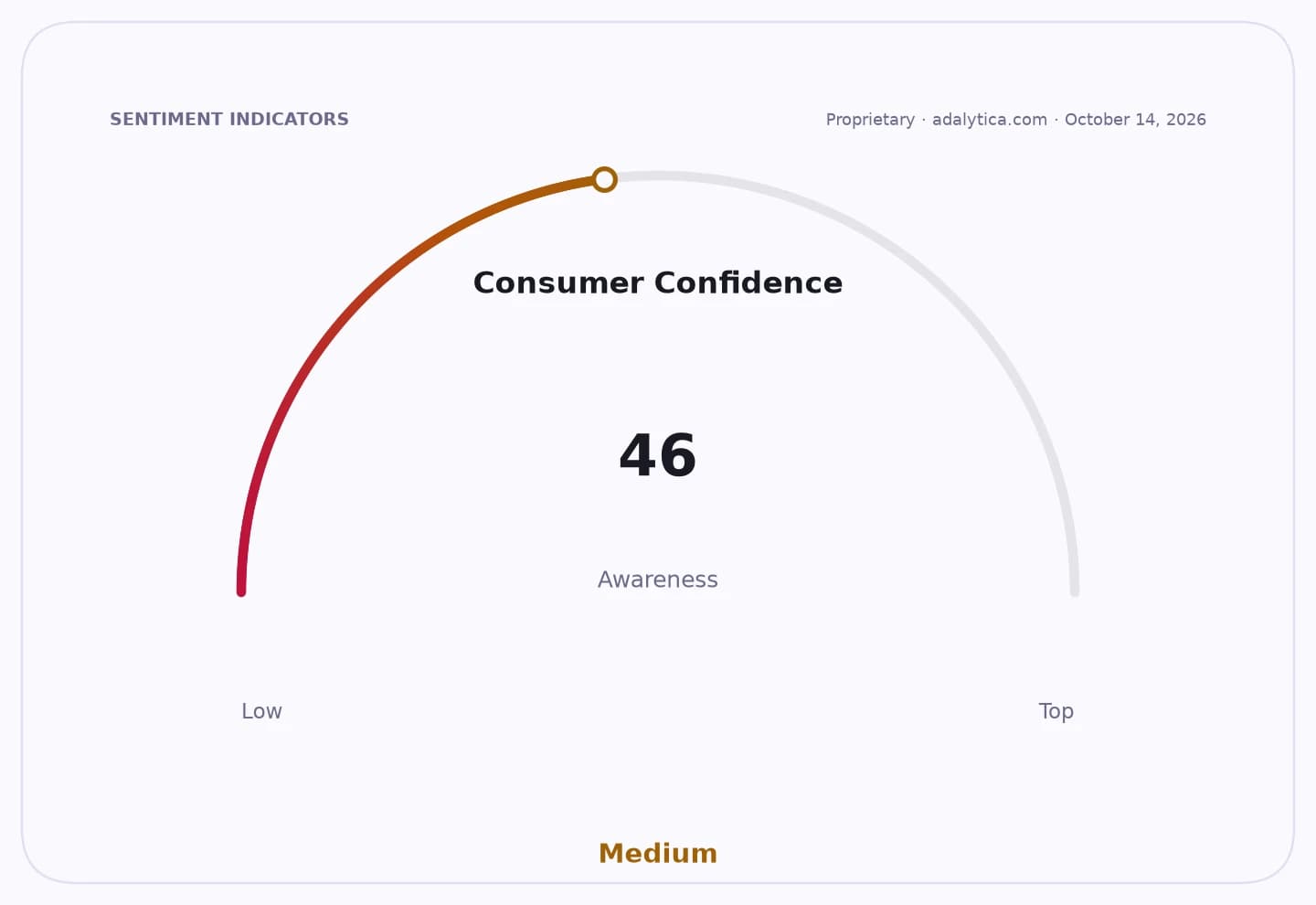
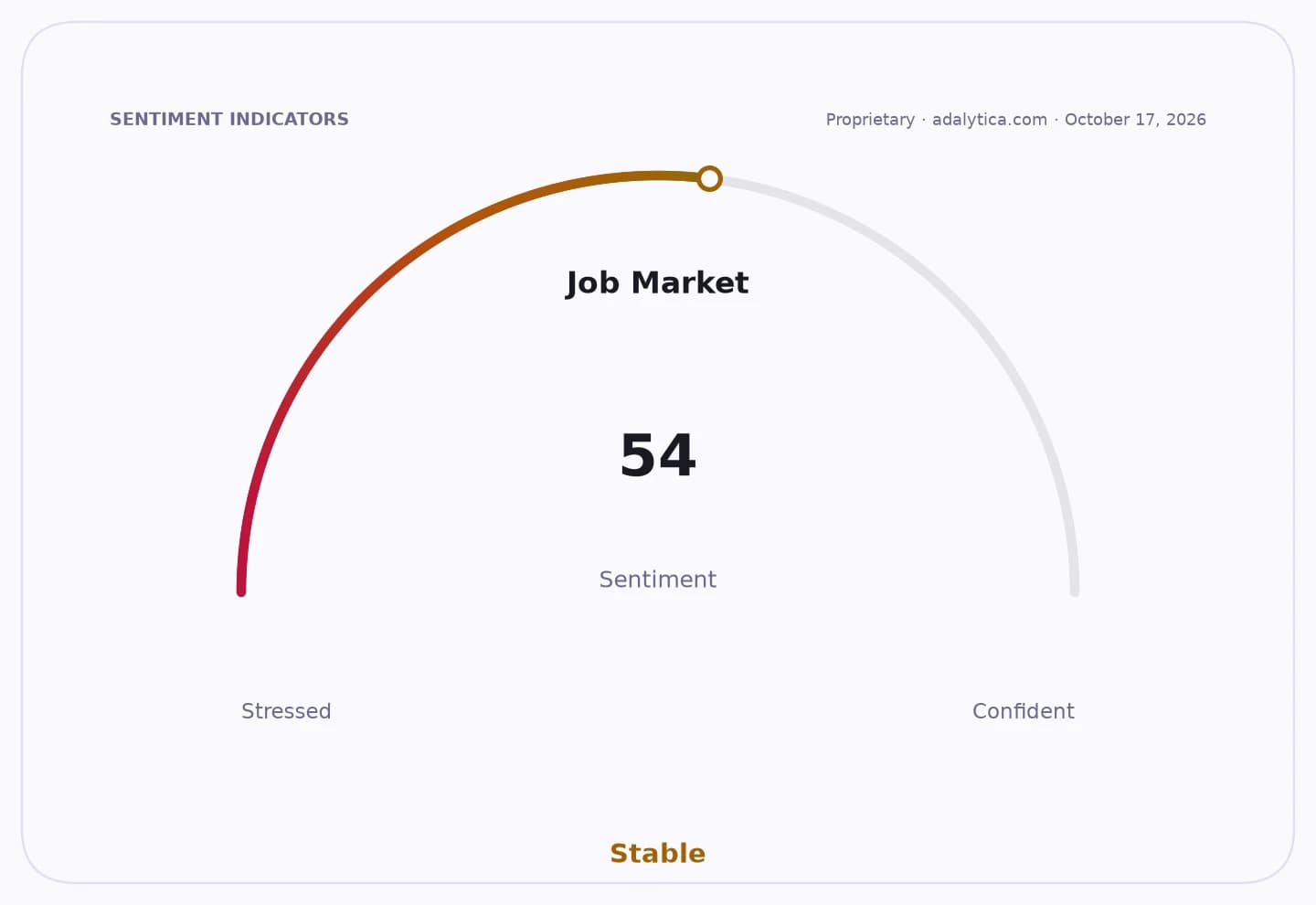
Sentiment IndicatorsⓘProprietary · adalytica.com · October 17, 2026
This is a snapshot — live sentiment, awareness and momentum for 130+ markets update continuously in the dashboard.Open AlphaPulse
For investors, the key issue is not simply a shorter week but how much of the adjustment gets absorbed by margins, staffing plans and public-sector budgets. The text keeps salaries unchanged even as weekly hours are cut from 44 to 42 after the amendment takes effect, then to 40 hours a year later. That means firms will have to deliver the same wage bill over fewer hours, a formula that typically raises unit labor costs unless productivity improves or pricing power offsets the hit.
Most private-sector workers under Brazil’s CLT labor code will see the shift applied automatically to existing contracts, without the need for a separate addendum. That reduces legal friction and should limit the risk of an immediate wave of renegotiations. But it does not eliminate compliance costs: employers will have to redesign schedules, payroll systems and shift coverage, while collective bargaining deals that conflict with the new rules will need to be amended.
The law also codifies two days of paid weekly rest for employees already working 40 hours or less, ending the six-day workweek as the national norm. For higher-income, “hyper-sufficient” workers with university degrees and pay above 2.5 times the social security ceiling, companies will have broader room to negotiate timekeeping rules, though the new rest-day guarantee still applies.
The public-sector impact could be slower but potentially more complex. Outsourced government contracts will require addenda to preserve budget balance, and the state will have up to a year to negotiate those changes before the shorter schedule becomes compulsory. That creates a cost-management challenge for ministries, agencies and contractors that may ultimately flow through to procurement prices.
The broader economic backdrop makes the reform even more sensitive. Labor tensions have been rising across the region, and Brazilian unions are likely to use the constitutional change as leverage in future bargaining rounds. For employers, the bull case is that the transition is phased and legally clear, giving companies time to adapt. The bear case is that a formal reduction in hours without a cut in pay becomes a structural pressure point for margins in labor-intensive sectors such as retail, services and outsourced public work.
In market terms, the amendment is likely to be read as mildly positive for workers and labor organizations, but potentially negative for businesses that rely on extended shifts and lean staffing. The main investor watchpoints are whether productivity can offset the higher labor intensity, how quickly collective agreements are rewritten, and whether the change feeds into broader wage negotiations at a time when labor relations are already tense.
| Entity | Gains | Losses |
|---|---|---|
| Workers | ▲More paid rest time | ▼None on pay |
| Employers | ▲Clear transition rules | ▼Higher labor costs |
| Public contractors | ▲Time to renegotiate | ▼Margin pressure |
| Labor unions | ▲Stronger bargaining leverage | ▼Less room for long shifts |