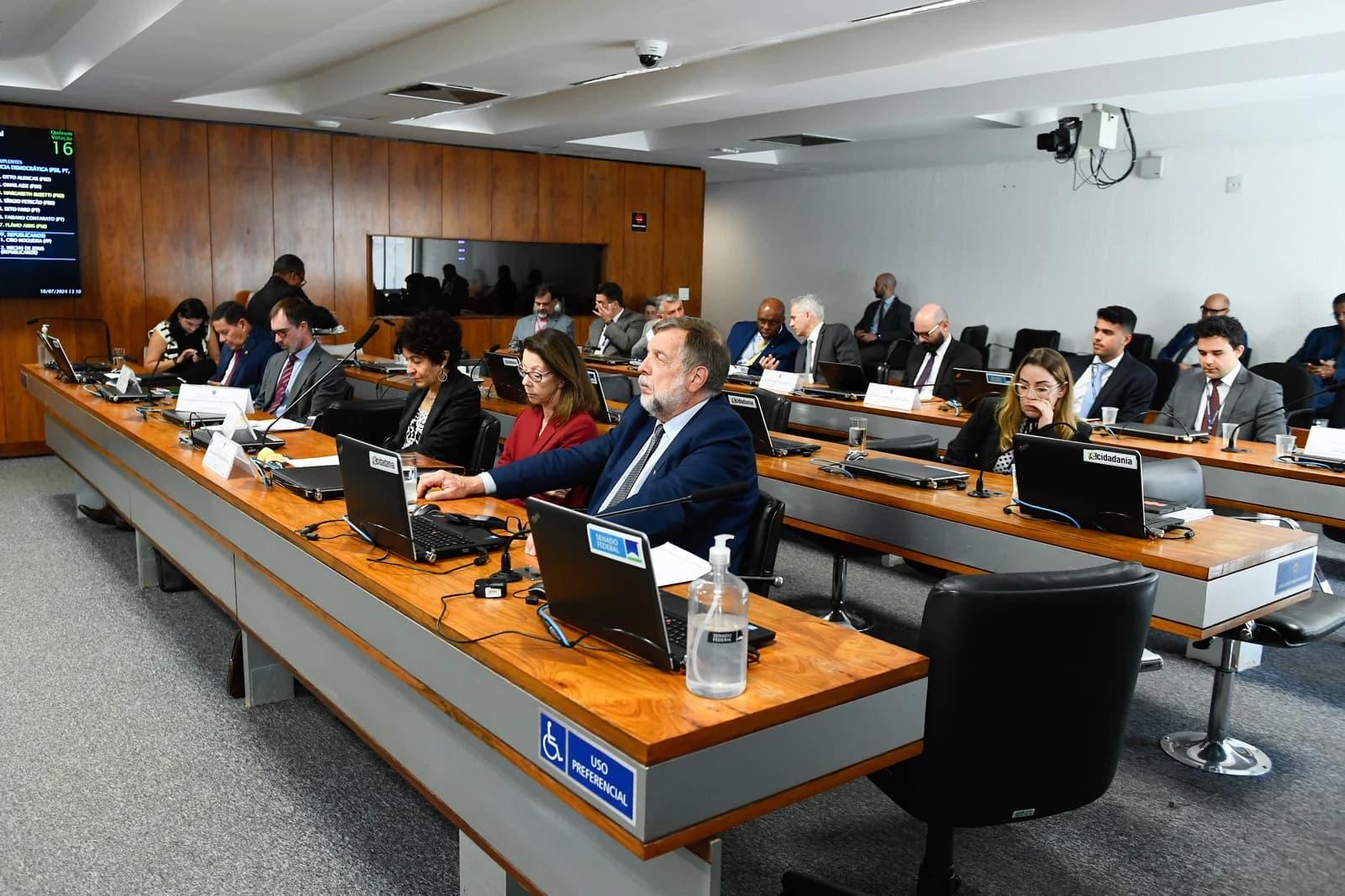
President Luiz Inácio Lula da Silva used the promulgation of Brazil’s constitutional amendment ending the 6x1 work schedule to claim one of his biggest political wins, casting the reform as a structural gain for workers and a signal of a more conciliatory relationship with Congress.
Brazil approves 40-hour workweek amendment

The change matters economically because it rewrites the terms of work for millions of Brazilians without cutting pay, forcing companies to absorb a shorter week through higher productivity, staffing changes or both. By lowering the maximum workweek from 44 hours to 40 and guaranteeing two paid days off, the amendment marks the first constitutional change to working hours since 1988 and could reshape labor costs, shift scheduling and consumer spending patterns across retail, services and public-facing industries.
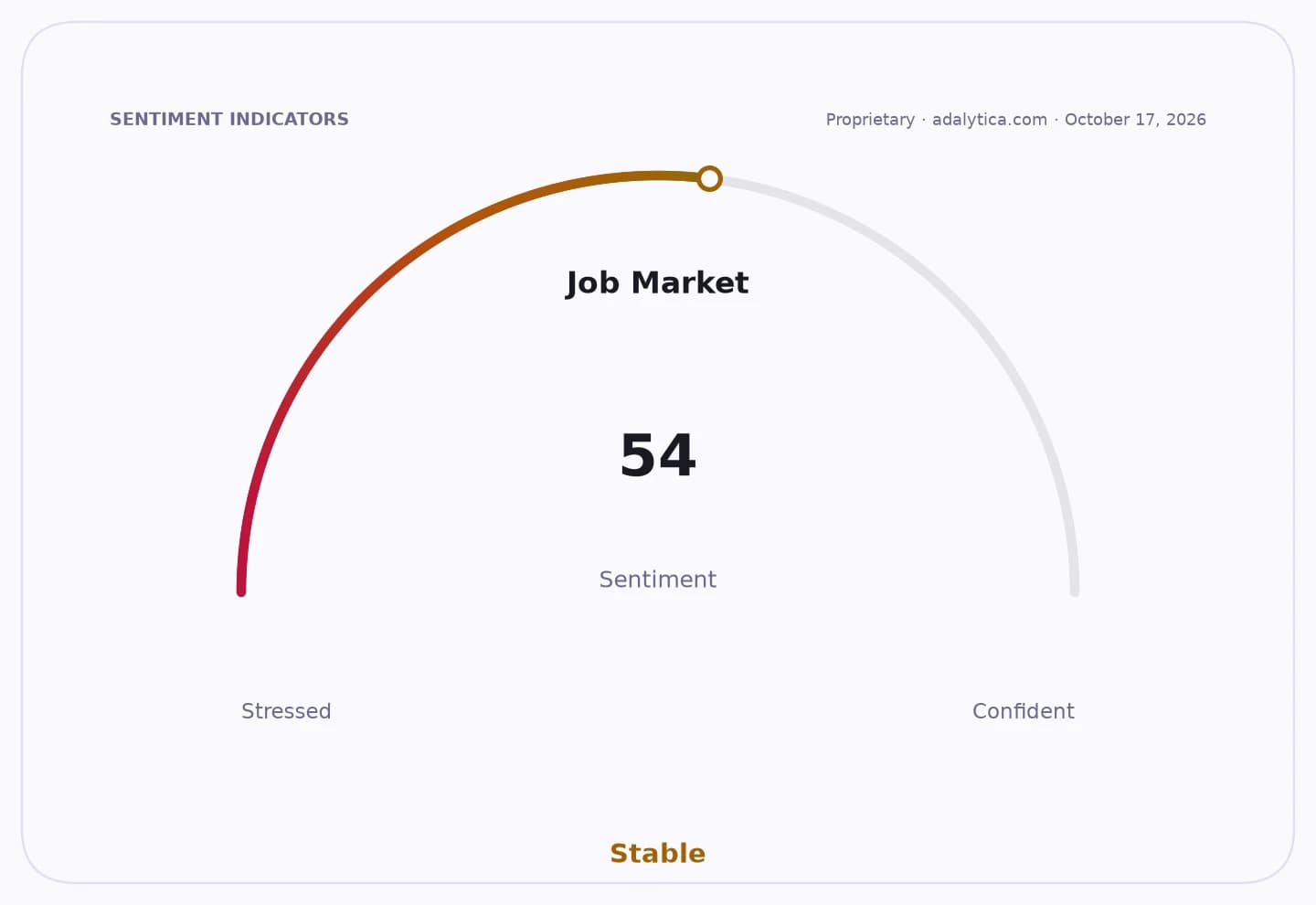
Sentiment IndicatorsⓘProprietary · adalytica.com · October 19, 2026
This is a snapshot — live sentiment, awareness and momentum for 130+ markets update continuously in the dashboard.Open AlphaPulse
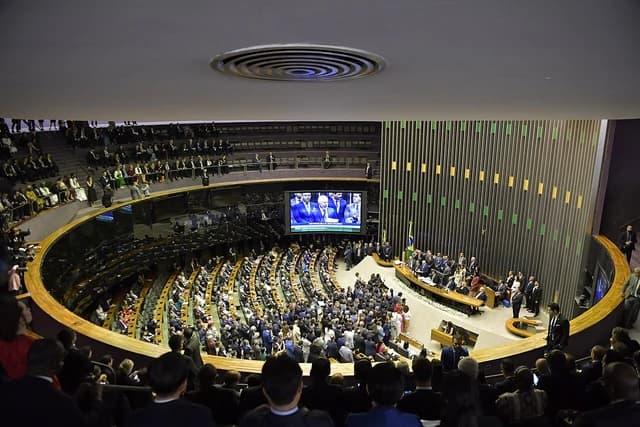
Lula thanked Chamber of Deputies Speaker Hugo Motta and Senate President Davi Alcolumbre, signaling that the government wanted to turn a hard-fought labor win into a broader institutional truce after repeated clashes with lawmakers. He called the vote a “historic” moment for Brazilian workers and said the constitution is now “more civic-minded,” a phrasing that underscored the political value of a measure that mobilized labor groups, students and other supporters outside Congress.
The president’s emphasis on the social dimension of the reform is also a reminder that its economic effects will not be evenly distributed. Women are likely to benefit most if shorter schedules ease the double burden of paid work and unpaid domestic labor, a point Lula highlighted in his remarks. For employers, however, the immediate challenge is operational: the law preserves wages while compressing hours, meaning any adjustment will have to come from efficiency gains, overtime management or hiring.

That is why investors should view the measure as more than a symbolic labor-rights victory. It introduces a new constraint on Brazilian labor supply at a time when companies are already managing tighter margins, higher compliance costs and uneven consumption demand. Sectors that rely heavily on shift work or low-margin labor may face the most pressure, while businesses with stronger pricing power or technology-enabled productivity gains are better placed to absorb the change.
For markets, the broader question is whether the amendment becomes a one-off social milestone or the start of a wider recalibration of Brazil’s labor framework. If implementation is smooth, the reform could support household well-being and possibly consumption by improving work-life balance without reducing income. If employers respond with hiring freezes, price increases or attempts to offset the change through productivity cuts elsewhere, the political victory could carry a slower-moving economic cost.
The immediate winner is Lula, who secures a campaign promise in constitutional form and briefly resets ties with the legislature. The longer-term test is whether the new five-day workweek can improve living standards without eroding corporate margins or labor-market flexibility.
| Entity | Gains | Losses |
|---|---|---|
| Lula government | ▲Political win | ▼Negotiating leverage if costs rise |
| Workers, especially women | ▲More rest, same pay | ▼Risk of weaker hiring |
| Employers in labor-heavy sectors | ▲Clearer rules | ▼Higher staffing pressure |
| Congress leaders Motta and Alcolumbre | ▲Institutional credit | ▼Blame if implementation frays |