Brazil’s Senate has approved the biggest reduction in working hours since the 1988 constitution, setting up a five-day workweek that could reshape labor costs, productivity and the political contest around President Luiz Inácio Lula da Silva’s re-election bid.
Brazil Senate Approves 40-Hour Workweek Reform
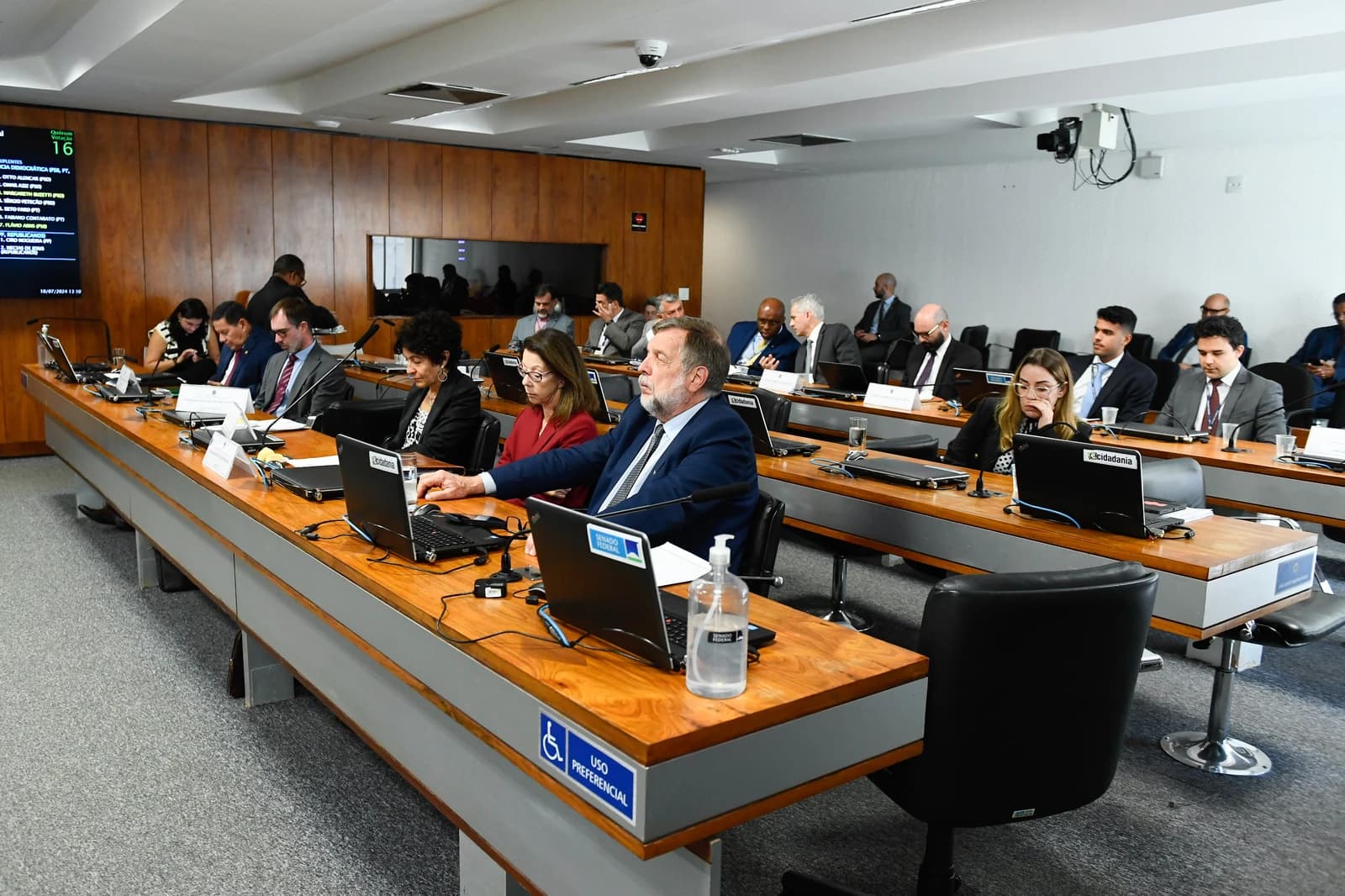
The constitutional amendment passed by 75 votes to one and now goes straight to promulgation because it was approved in identical form by the lower house in May. It cuts the maximum weekly work limit from 44 hours to 40 and ends the 6x1 schedule, under which workers get only one day off a week.
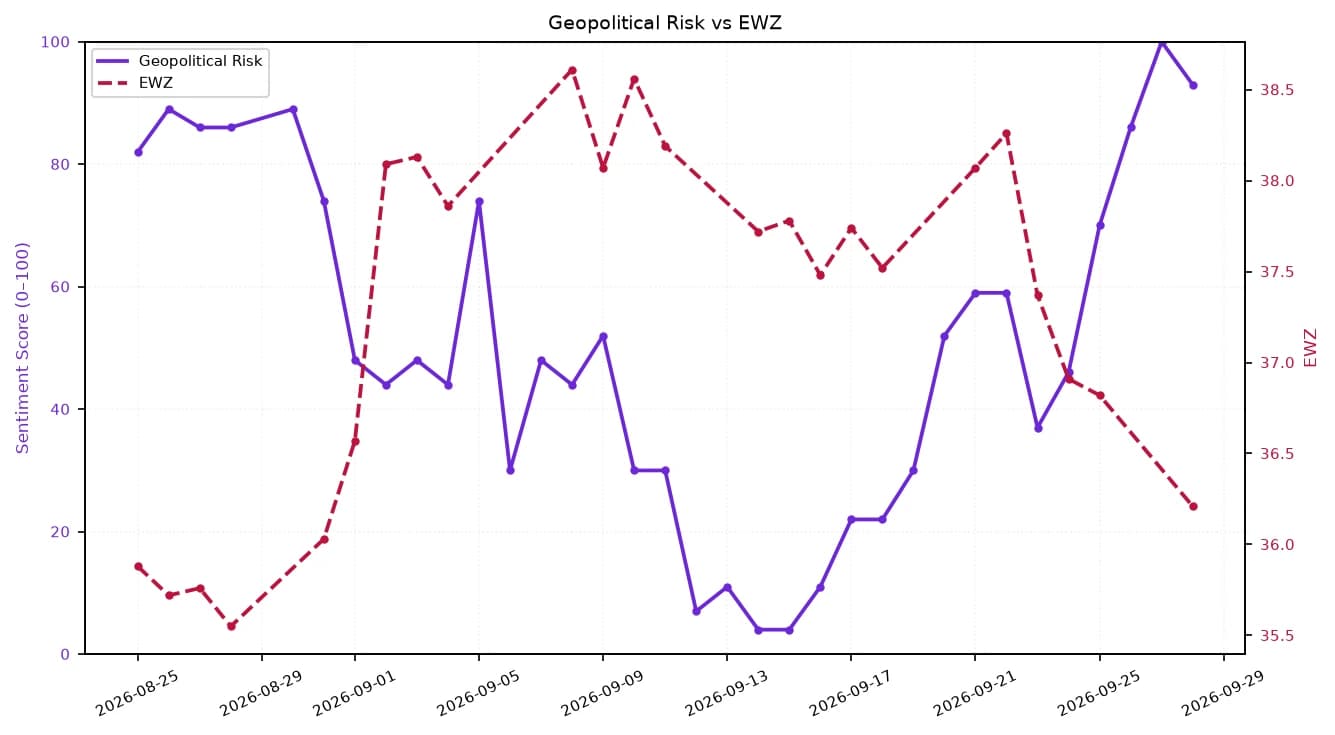
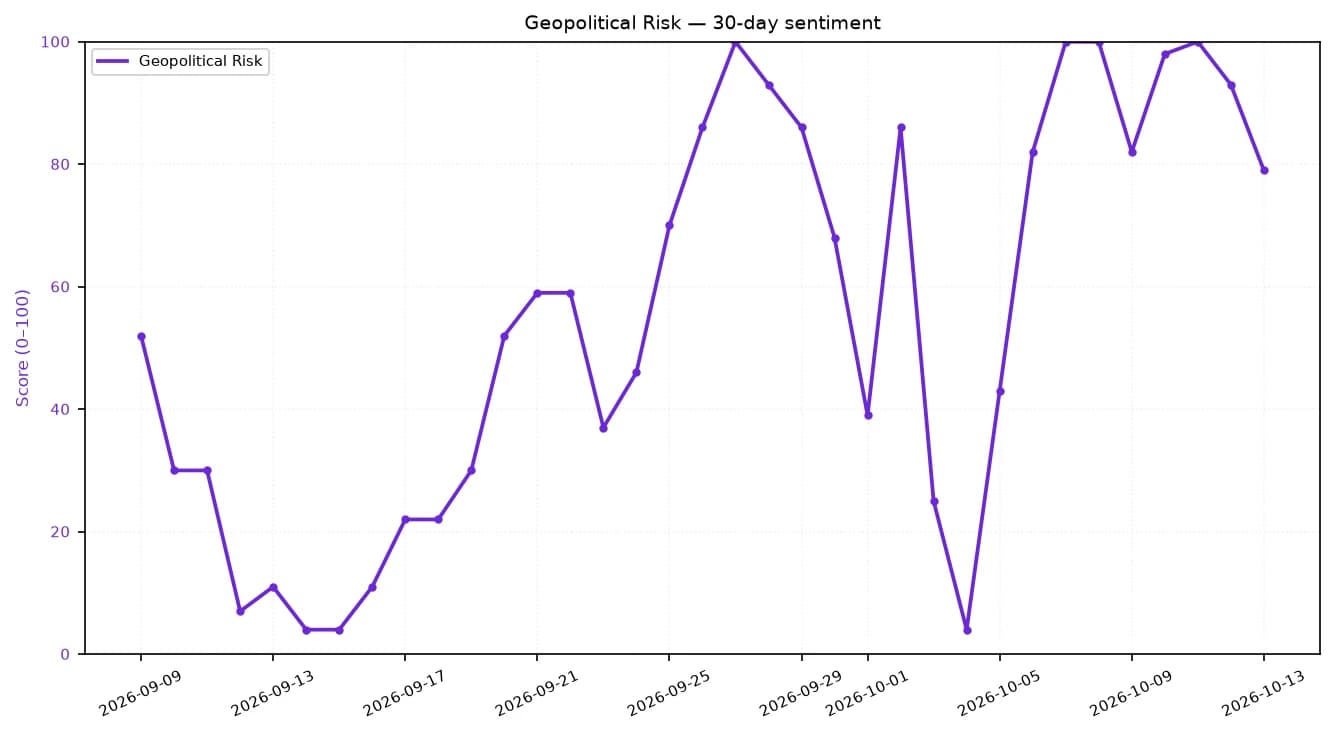
Sentiment IndicatorsⓘProprietary · adalytica.com · October 16, 2026
This is a snapshot — live sentiment, awareness and momentum for 130+ markets update continuously in the dashboard.Open AlphaPulse
Economically, the change is significant because it rewrites a central part of Brazil’s labor framework without reducing wages. The reform is expected to affect about 22 million workers and gives employers just 60 days to begin implementing the minimum two-day weekly rest requirement. The shift to 42 hours will also start after that transition, with the full 40-hour cap reached one year later.
For companies, the immediate issue is not only higher staffing needs, but the loss of flexibility in scheduling. Business groups have argued that the shorter transition period could raise unit labor costs and force prices higher for consumers. Some warn the measure could squeeze smaller firms already operating on thin margins. Supporters counter that better-rested workers should lift productivity and reduce turnover, softening the cost hit over time.
That debate matters to investors because Brazil’s labor market reform comes at a sensitive political and macroeconomic moment. The vote lands in the middle of a heated presidential campaign and gives Lula a tangible policy win tied to a popular worker-rights demand. It may help him with households and labor groups, even as opposition figures try to preserve an alternative model that would let employers choose between the traditional CLT regime and a more flexible hours-based system.
The market impact is likely to show up unevenly. Industries that depend heavily on shift work, retail and services face the greatest operating pressure if they cannot absorb the lost hours through efficiency gains or hiring. Exporters and capital-intensive companies may be less exposed than domestic labor-intensive businesses. The broader economy could feel the effect through payroll structures, pricing power and hiring patterns rather than through any immediate collapse in output.
There is also a clear political narrative behind the reform. The end of the 6x1 schedule began as a social-media campaign and grew into a national labor cause, giving Congress a rare chance to deliver a reform with strong public appeal. Flávio Bolsonaro’s decision to back the measure underscores how politically resonant the issue has become, even among rivals of Lula’s government.
For investors, the key question is whether the reform becomes a one-off political victory or the start of a broader recalibration of Brazil’s labor regime. If productivity gains materialize, the economic damage may be limited. If companies respond by cutting hiring, lifting prices or lobbying for a softer implementation, the measure could become a drag on margins and a new source of volatility for domestic equities.
| Entity | Gains | Losses |
|---|---|---|
| Workers | ▲More rest, same pay | ▼Less overtime flexibility |
| Lula government | ▲Political boost, labor-friendly cred | ▼Exposure if costs rise |
| Labor-intensive firms | ▲None immediate | ▼Higher staffing and scheduling costs |
| Domestic consumers | ▲Potentially better service quality | ▼Risk of higher prices |