Brazil’s next government will likely be pressed to choose between expanding oil production and delivering lower power and fuel costs, after Luiz Inácio Lula da Silva and Flávio Bolsonaro both backed more petroleum output without saying how they would structurally cut energy expenses.
Brazil Energy Policy Lacks Cost Plan

That gap matters because energy prices in Brazil are not just a household issue: they feed into inflation, industrial competitiveness and the fiscal math behind subsidies, taxes and state intervention. The programs point to a larger role for Petrobras, more transmission lines, batteries and, in Flávio’s case, a more market-led model with lower taxes and fewer cross-subsidies. But neither side lays out the sequencing, funding or regulatory changes needed to make cheaper energy happen without widening the budget hole.
Sentiment IndicatorsⓘProprietary · adalytica.com · October 15, 2026
This is a snapshot — live sentiment, awareness and momentum for 130+ markets update continuously in the dashboard.Open AlphaPulse
The political message is clear. Both candidates want Brazil to capture more value from its hydrocarbons at a time when the country could become one of the world’s five biggest oil producers if discoveries in the Equatorial Margin, including the Foz do Amazonas basin, are developed. Yet the programs stop short of naming that region, even though both candidates have publicly defended drilling there. The omission underscores the sensitivity of a project that could lift output and exports, while adding to environmental and licensing disputes.
For investors, the most immediate implication is that Brazil’s oil complex remains supported by policy rhetoric rather than clarity. Petrobras shares have already reflected the market’s preference for a production-friendly stance, with the stock climbing to 25.94 reais in recent trading from 12.91 reais less than a year ago. Technical indicators such as the 50-day and 200-day moving averages point to a strong uptrend, while the relative strength index remains elevated, suggesting the market has been pricing in a favorable policy mix. Chevron and Exxon Mobil have also risen on a broader crude upswing, but Brazil-specific policy remains a separate driver for Petrobras.
The backdrop is a still-firm oil market. WTI crude is trading around $95.79 a barrel in the latest forecast, up sharply from earlier this year, while Adalytica’s oil trade signals show “Extreme Greed” on sentiment. That helps explain why a pro-expansion message resonates politically: higher oil revenues can support growth, the trade balance and investment in refining, pipelines and gas infrastructure. But it also keeps fuel prices politically charged, especially after the Iran conflict tightened attention on supply risk.
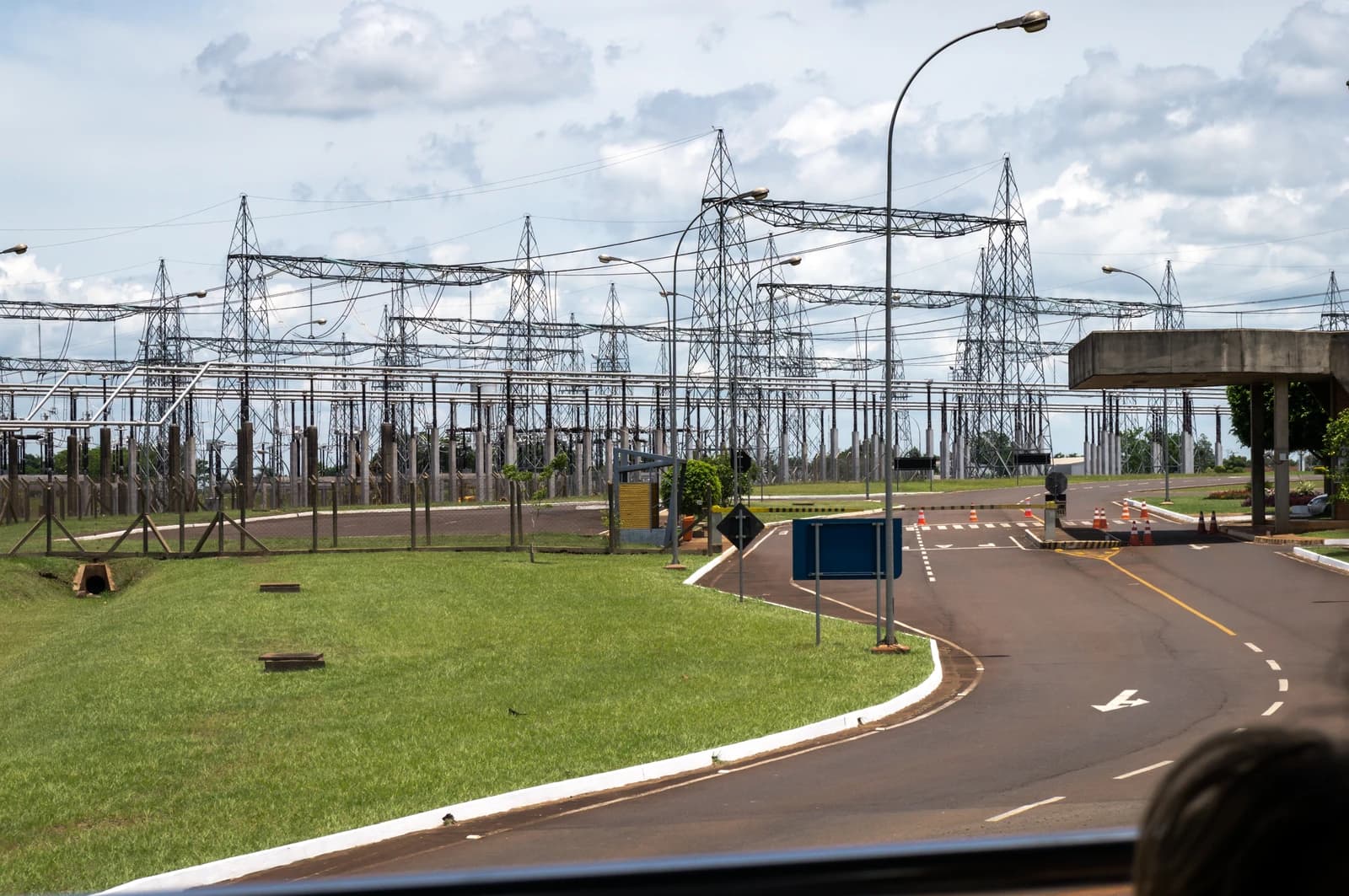
On electricity, both programs promise a cheaper and more reliable system, but the remedies are broad. Lula wants to continue transmission auctions, add batteries and preserve targeted relief such as Luz do Povo, while also expanding hydropower and speeding coal reduction. Flávio wants to rationalize levies and subsidies, reduce the CDE burden, cut taxes and keep social tariffs. The problem, say academics and sector specialists, is that neither platform explains how to preserve subsidy protections while stripping back the very charges that finance them.
That is where the economics become difficult. Brazil’s power system is heavily distorted by cross-subsidies and by curtailment, the forced reduction of renewable output when generation outpaces grid capacity or demand. The country’s renewable-heavy grid is attractive to investors, but the lack of storage, transmission and demand flexibility means more clean electricity can still be wasted. Lula’s camp says its plan includes dynamic tariffs, locational price signals and more industrial demand near supply centers. Flávio’s camp says it would lean on private capital, lower taxes and competitive gas pricing. Neither side has yet provided a detailed implementation map.
The bullish case is that a more assertive energy policy could unlock investment in pipelines, refineries, transmission and battery storage, while turning Brazil’s oil endowment into a financing source for industrial policy and the energy transition. The bearish case is that the next administration, regardless of winner, inherits a system where lower prices are promised but not funded, leaving Petrobras, consumers and the budget caught between political pressure and technical constraints.
For now, the market takeaway is not that Brazil lacks energy resources. It is that both leading political projects want to expand them, but neither has convincingly explained how to make the system cheaper, cleaner and fiscally manageable at the same time.
| Entity | Gains | Losses |
|---|---|---|
| Petrobras | ▲More production-friendly policy | ▼Greater political pressure |
| Consumers | ▲Possible future lower tariffs | ▼No near-term price clarity |
| Private energy investors | ▲More openings in grid and gas | ▼Regulatory uncertainty |
| Treasury/Budget | ▲Higher oil-linked revenues | ▼Subsidy and tax cuts |