Brazil’s government moved to lower fuel costs just over two weeks before a knife-edge presidential runoff, turning gasoline policy into a last-minute attempt to sway voters in a race that is already shaping up as a referendum on household inflation.
Brazil Fuel Tax Cuts Before Presidential Runoff

President Luiz Inácio Lula da Silva’s administration on Friday announced new fuel-tax cuts and extended subsidies aimed at reducing pump prices, a politically charged decision in a country where transport and energy costs quickly feed into the cost of living. The runoff pits Lula against Sen. Flávio Bolsonaro, son of former President Jair Bolsonaro, after Bolsonaro took about 2 million more votes in the first round.
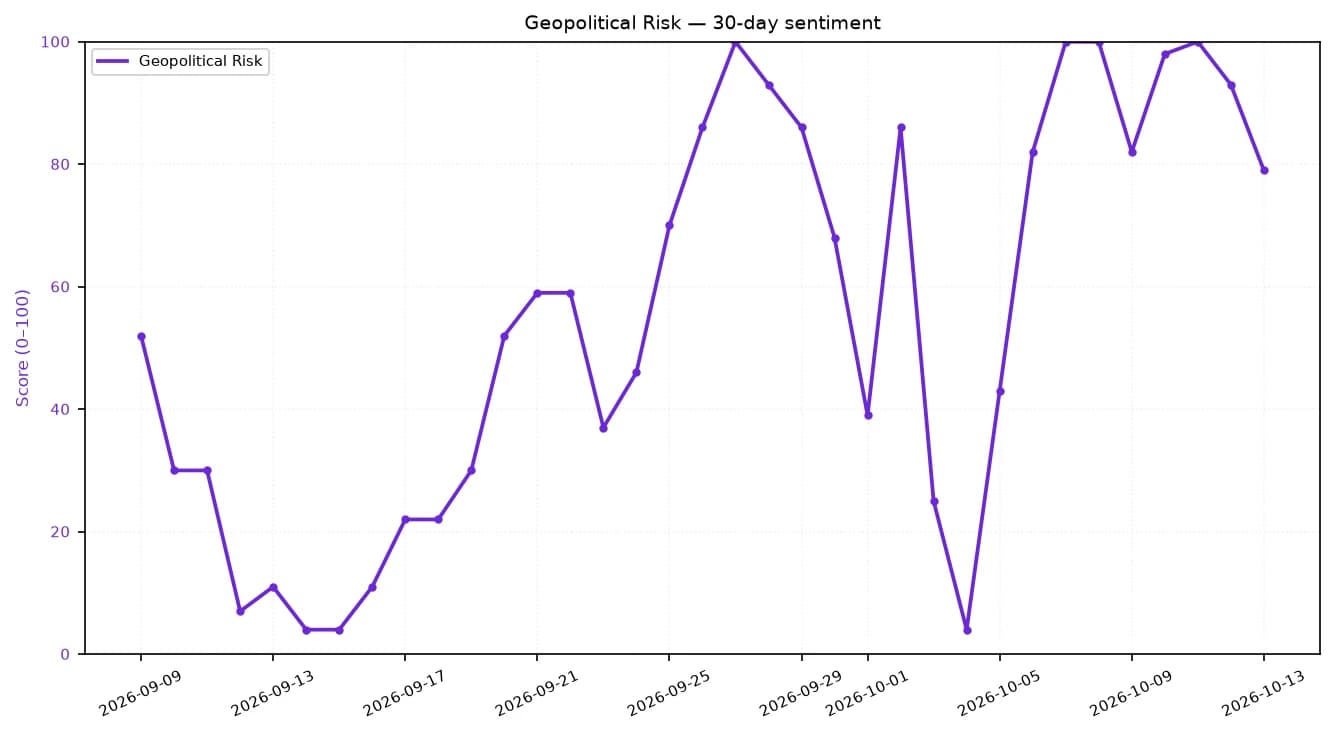
Sentiment IndicatorsⓘProprietary · adalytica.com · October 12, 2026
This is a snapshot — live sentiment, awareness and momentum for 130+ markets update continuously in the dashboard.Open AlphaPulse
The timing matters because fuel is one of the most visible gauges of economic pain for Brazilian consumers. Even small changes at the pump can affect sentiment across the broader economy by easing pressure on food, transport and discretionary spending. For a government trying to close a first-round vote gap, cheaper fuel is as much a macroeconomic tool as a campaign message.
For investors, the move underscores the tension between electoral strategy and fiscal discipline. Subsidies and tax relief may help near-term approval ratings, but they can also complicate the public-finance outlook if extended too far or if oil prices remain elevated. That dynamic is particularly relevant for Petrobras, Brazil’s state-controlled oil producer, whose shares have rallied sharply in recent months even as conventional technical indicators such as the 50-day moving average and RSI readings show the stock to be stretched.
Petrobras has already been receiving installments under Brazil’s gasoline and diesel subvention programs, according to recent filings, tying the company directly to the government’s effort to shield consumers from fuel inflation. The stock has climbed to 25.30 on the latest available data, well above both its 50-day and 200-day moving averages, suggesting investors have been pricing in a supportive policy backdrop and stronger operating conditions even as political risk remains high.
Oil-market conditions add another layer. USO, the oil ETF, has stayed elevated relative to its 200-day moving average, while conventional RSI readings point to a market that has cooled from earlier extremes but remains sensitive to supply and policy shocks. Any sustained push to suppress domestic fuel prices in Brazil can cushion consumers, but it does not remove the link to global crude costs — leaving the government exposed if oil rises again and subsidies become more expensive to maintain.
The broader narrative is straightforward: Lula is using fuel relief to turn a pocketbook issue into a voting issue. Whether that is enough to overcome Bolsonaro’s first-round advantage will depend not only on the politics of pricing, but on whether voters feel the difference quickly enough to matter before runoff day.
| Entity | Gains | Losses |
|---|---|---|
| Brazilian consumers | ▲Lower pump prices | ▼Less fiscal headroom |
| Lula government | ▲Electoral support | ▼Budget discipline |
| Petrobras | ▲Subvention payments | ▼Political pricing pressure |
| Bolsonaro camp | ▲— | ▼Lula gains on cost-of-living issue |