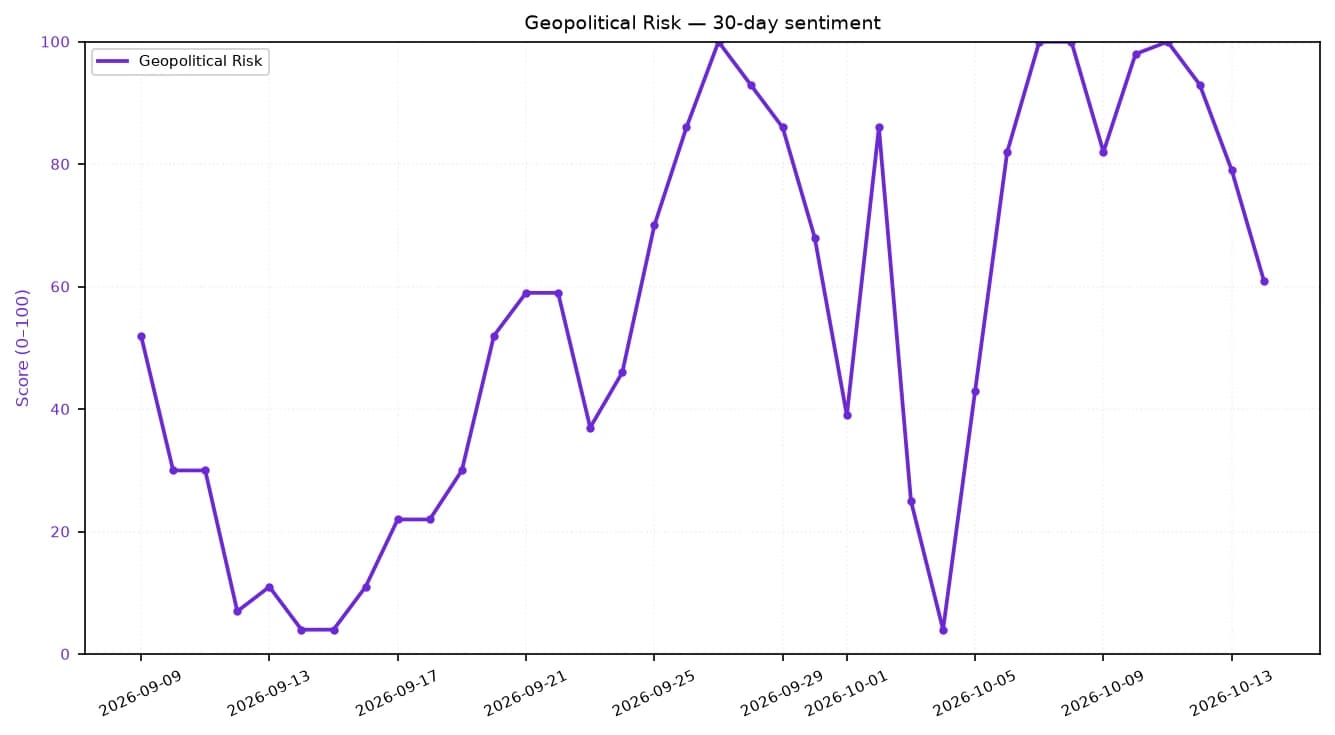
Brazil’s far-right presidential campaign is normalizing gun imagery among young voters, and that matters because it deepens the country’s political polarization just as violence risks are already rising across the 2026 election cycle.
Brazil Gun Imagery Raises Political Risk for Investors
The immediate concern is not just optics. When children are photographed with replica firearms at rallies, the campaign stops being mere messaging and becomes a force multiplier for a broader security narrative built around armed civilian mobilization. Human rights and legal oversight bodies have already opened formal investigations, underscoring that Brazil’s gun debate is now colliding with child-protection law, campaign regulation and public safety.
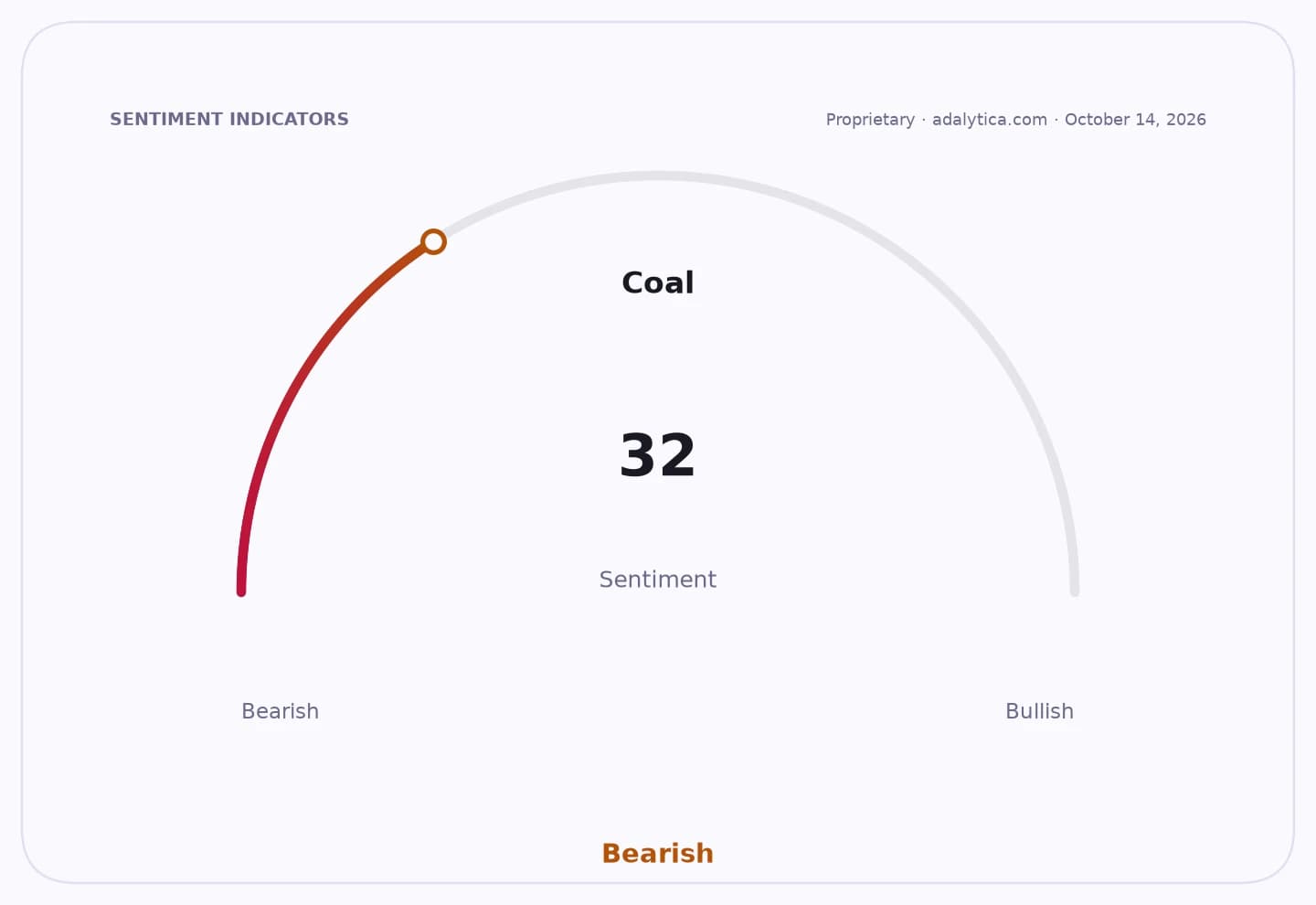
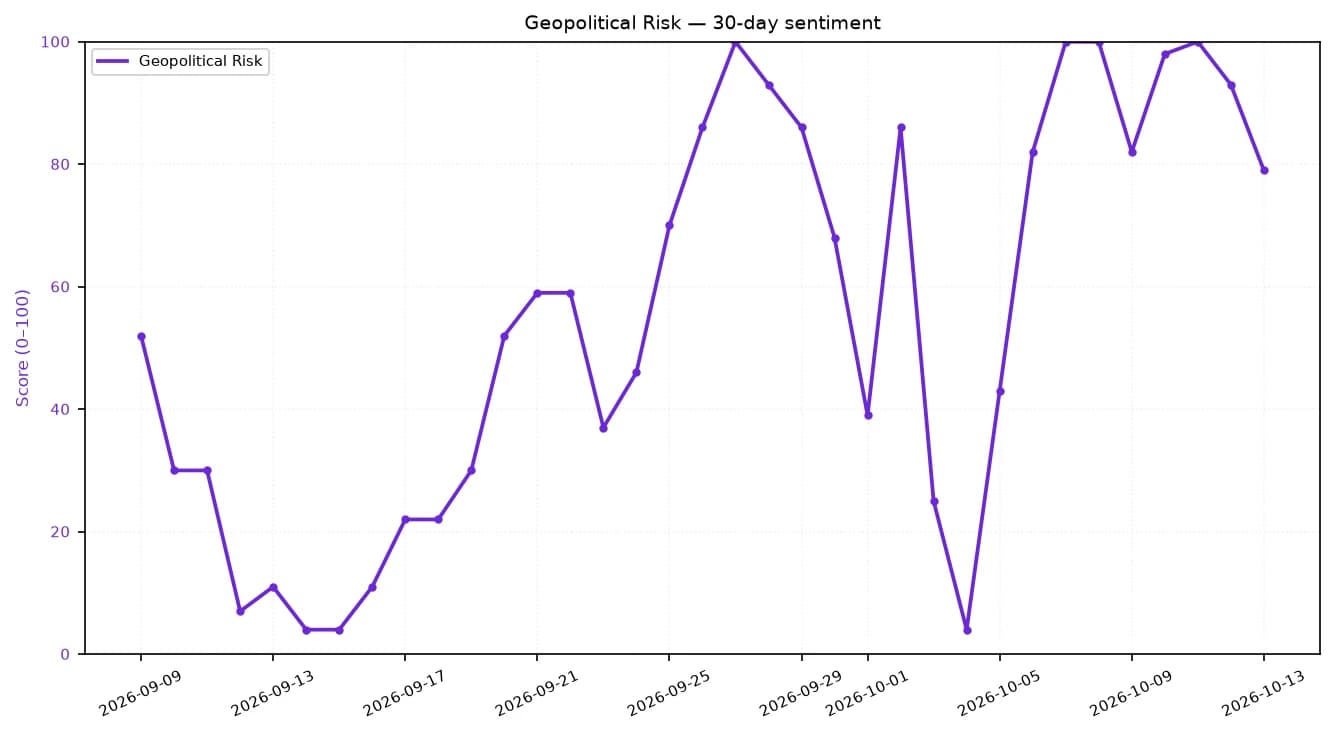
Sentiment IndicatorsⓘProprietary · adalytica.com · October 14, 2026
This is a snapshot — live sentiment, awareness and momentum for 130+ markets update continuously in the dashboard.Open AlphaPulse
That collision has real economic consequences. Brazil’s security environment is already strained, with 354 incidents of political violence recorded over the past two years, including threats, assaults and armed attacks on candidates, officials and organizers. In a country as large and politically fragmented as Brazil, that kind of escalation raises the cost of campaigning, increases pressure on police and courts, and can chill grassroots political participation. It also adds another layer of uncertainty for investors watching Latin America’s largest market, where stability matters for consumption, capex and foreign capital flows.
The policy divide is stark. Jair Bolsonaro’s movement built its base on conservative social values, agribusiness and the promise of arming citizens to fight crime. During his presidency from 2019 to 2022, executive decrees loosened gun and ammunition access, including a rule letting licensed owners buy up to 5,000 rounds per weapon a year, from 50 previously. Lula has moved in the opposite direction, suspending new civilian weapon registrations, tightening high-caliber ammunition sales and shifting oversight of collectors, marksmen and hunters to the Federal Police.
That makes the current campaign more than culture-war theater. It is a contest over the state’s monopoly on force and over whether Brazil’s response to insecurity will be institutional or private. For investors, that distinction matters because a looser gun environment tends to feed legal risk, rural conflict, indigenous land disputes and enforcement costs, while a tighter regime can favor formal policing, public-security spending and the companies tied to that broader state-led infrastructure.
The market is already signaling that Brazil risk is back in focus. EWZ, the main U.S.-listed Brazil ETF, has surged to $42.87, far above its 50-day moving average of $37.30 and 200-day average of $36.58, while the RSI at 75.8 points to an overbought reading. The leveraged BRZU fund has climbed to $131.06, also well above both its 50-day and 200-day moving averages, showing how quickly traders are pricing Brazilian political momentum — and how easily sentiment can turn if violence or regulatory backlash escalates.
That is why the real investment story is not the symbolism itself, but the second-order effect: a more volatile Brazil premium. The more campaign rhetoric normalizes guns, the more investors must price in social unrest, policy whiplash and institutional friction around land, policing and civil order. That can benefit security contractors, defense-adjacent suppliers and select domestic firms tied to public infrastructure and state spending, but it is a headwind for any asset class that depends on lower political risk premiums and smoother reform execution.
My view is that the market underestimates how durable this security narrative could become. The next catalyst is likely to be not another rally image, but the response: court rulings, electoral scrutiny, church condemnation, indigenous complaints and any spike in violence that forces Lula’s government to tighten enforcement further. If that happens, Brazil’s campaign story will stop being about culture and start being about the price of instability.
For investors, the takeaway is clear: stay selective on Brazil, respect the political risk premium, and look for beneficiaries of a more securitized state rather than assuming the rally in Brazilian risk assets can run unchecked.
| Entity | Gains | Losses |
|---|---|---|
| Bolsonaro campaign | ▲Energized base | ▼Legal scrutiny |
| Lula government | ▲Public-safety mandate | ▼Political polarization |
| Security contractors | ▲Higher demand | ▼— |
| EWZ/BRZU longs | ▲Momentum trade | ▼Overbought risk |