Brazil's government has asked federal police and prosecutors to investigate whether US government funds were used to support organizations opposing the country's Supreme Court, a politically charged allegation that could deepen tensions with Washington just days before elections.
Brazil probes alleged US funding of anti-STF groups
The request, filed by Attorney General Jorge Messias, goes to the Federal Police and the Federal Prosecutor's Office after a Guardian report said about $1 million was assigned to a project called "Combatting Lawfare and Censorship in Brazil." If confirmed, the spending would raise questions not only about foreign involvement in Brazil's domestic political debate, but also about the use of democracy and human-rights funding as a geopolitical tool in one of Latin America's largest economies.
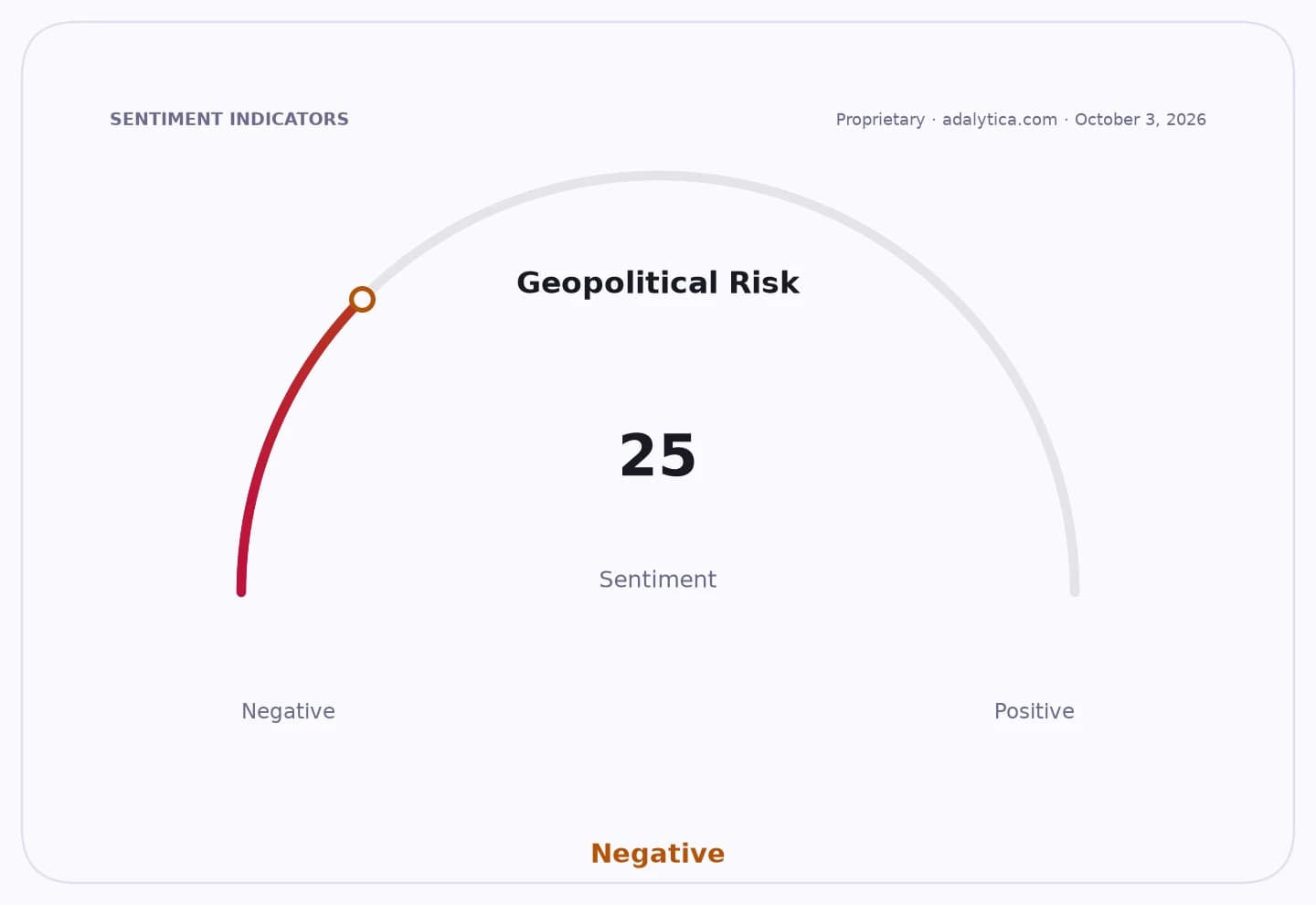
Sentiment IndicatorsⓘProprietary · adalytica.com · October 3, 2026
This is a snapshot — live sentiment, awareness and momentum for 130+ markets update continuously in the dashboard.Open AlphaPulse
The timing makes the case more consequential. Brazil is heading into a tense election period already shaped by fears of interference, institutional confrontation and deep polarization. A probe into alleged US-financed pressure campaigns against the Supreme Federal Court could further politicize the vote, feed nationalist rhetoric and complicate relations between the incoming government and the Biden administration, regardless of who wins.
Messias said differences between governments are normal in international relations, but argued that foreign political interests should not be allowed to interfere in the functioning of Brazilian institutions. The government is seeking to establish who received any money, who participated in the operation and whether the funds were used to influence political or institutional debate inside Brazil.
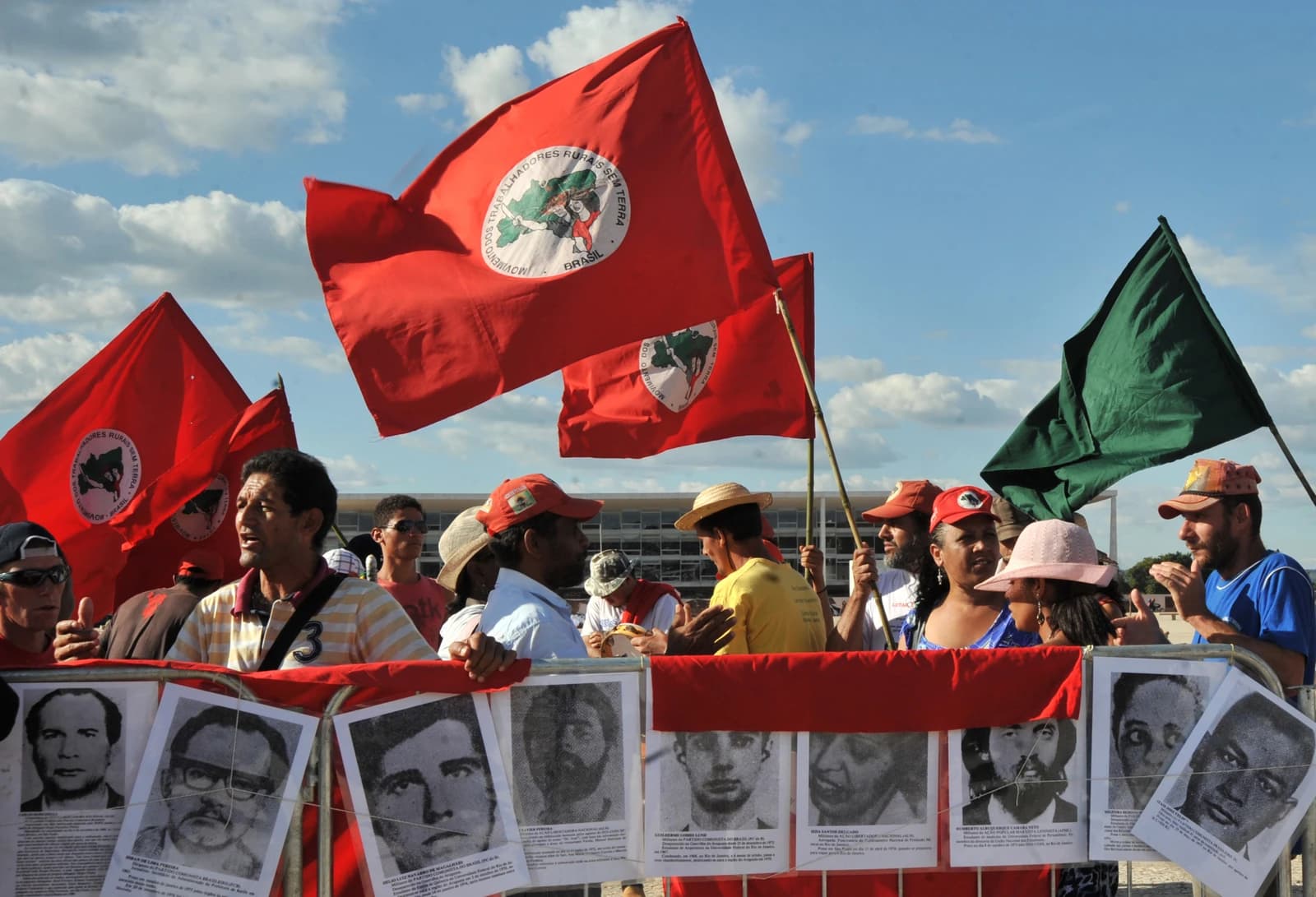
At this stage, the allegations remain unproven and no Brazilian candidates, parties or groups have been publicly identified as beneficiaries. But even the possibility of foreign financing is sensitive in a country where the judiciary has already been drawn into the center of political conflict. The Supreme Court has faced repeated attacks from allies of former President Jair Bolsonaro and others who accuse it of overreach and censorship.
For investors, the immediate impact is more about risk premium than direct market exposure. Brazil's institutions have been a key anchor for foreign capital, and any perception that the electoral environment is becoming more confrontational can weigh on sentiment toward the real, domestic equities and longer-dated local assets. The broader backdrop also matters: Brazil is trying to project policy stability to attract investment while navigating a highly charged political cycle that could shape fiscal policy, regulation and the judiciary's role in the economy.
If the probe finds evidence of improper foreign funding, it could intensify scrutiny of civil-society groups, invite retaliatory rhetoric from political factions and add another layer of uncertainty to an already volatile campaign. If it produces no clear evidence, the episode will still underline how foreign policy, institutional trust and election-year politics are becoming increasingly intertwined in Brazil's market narrative.
| Entity | Gains | Losses |
|---|---|---|
| Brazil's ruling institutions | ▲Assert oversight | ▼Face more politicized scrutiny |
| US government | ▲None if allegations are unproven | ▼Reputation if funding is confirmed |
| Brazilian anti-STF groups | ▲Greater visibility | ▼Risk of investigation |
| Investors in Brazil | ▲Clarity if probe narrows uncertainty | ▼Higher political-risk premium |