Brazil’s Congress is poised to deepen its control over the country’s agenda after elections, with the centrist Centrão bloc and its allies on track to hold a commanding majority in the Chamber of Deputies and gain ground in the Senate.
Brazil Congress Set to Gain Power After Elections
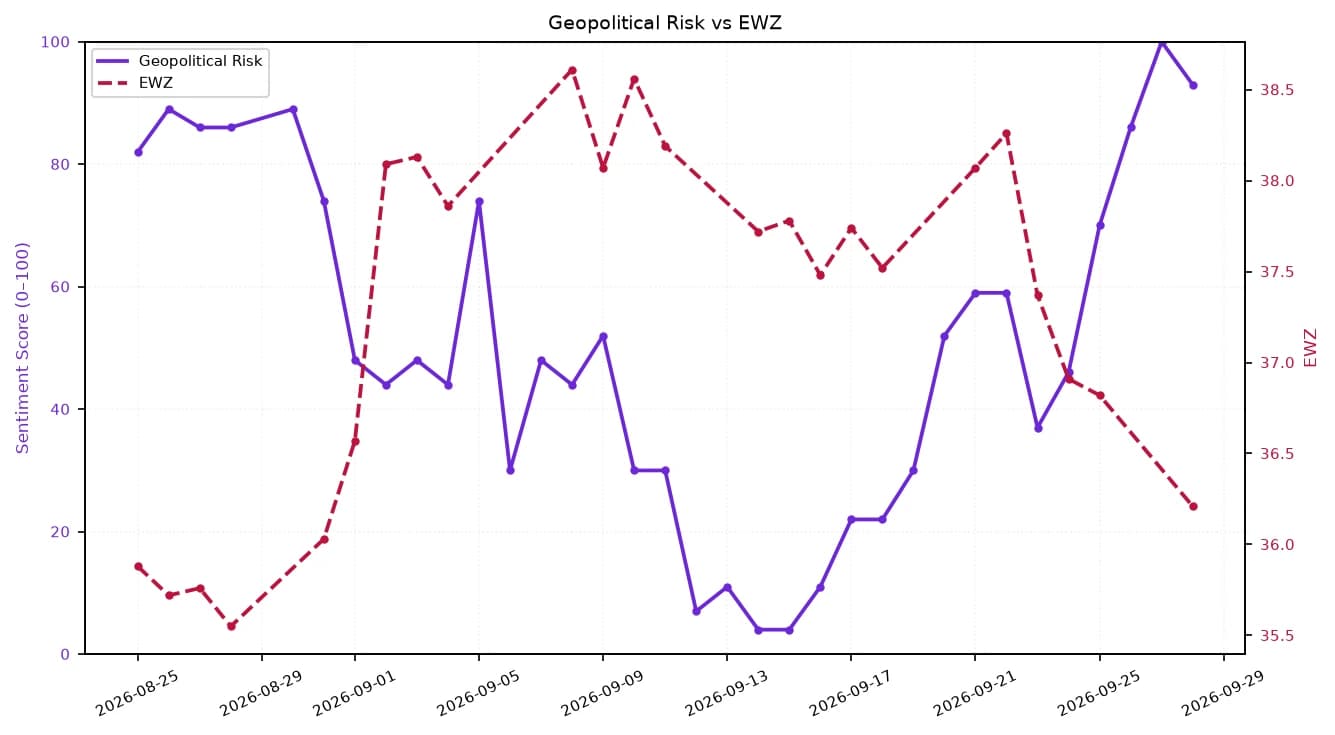
That matters because the balance of power in Brasília has already shifted away from the presidency, and the next government — whether led by Luiz Inácio Lula da Silva’s Workers’ Party or a rival right-wing coalition — may have even less room to govern without cutting deals with lawmakers. Investors watch that leverage closely because it shapes everything from fiscal policy and budget execution to state spending, regulatory appointments and the odds of political paralysis.
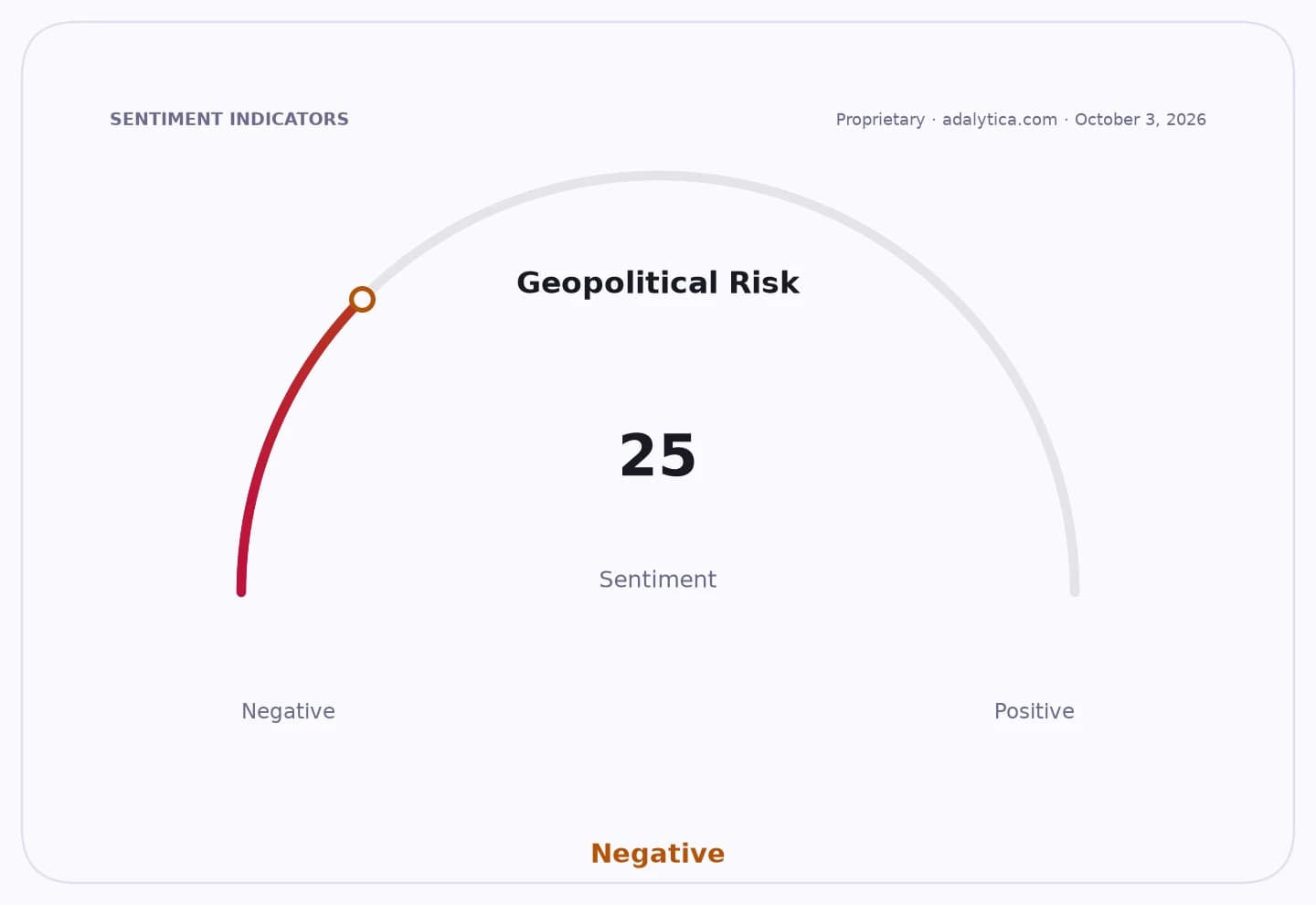
Sentiment IndicatorsⓘProprietary · adalytica.com · October 3, 2026
This is a snapshot — live sentiment, awareness and momentum for 130+ markets update continuously in the dashboard.Open AlphaPulse
The bloc centered on União Brasil, PP, Republicanos, MDB, PSD, Podemos and the PSDB-Cidadania federation is projected to control roughly 270 to 280 of the Chamber’s 513 seats, or about 53% to 55%, according to the polling aggregate cited in the report. Neuriberg Dias, who heads the Interunion Parliamentary Advisory Department, said the Centrão should be the largest bloc with more than 257 votes, the threshold needed to pass legislation, and could rise to as many as 330 deputies.
In the Senate, centrist and center-right parties are also set to strengthen. The Liberal Party linked to Flávio Bolsonaro is expected to expand from 15 senators to 24, while União Brasil could rise from three seats to as many as nine and the PP from eight to 10. The PT could edge up only modestly, to 11 senators from nine.
The political weight of Congress has been building since Jair Bolsonaro’s presidency, when lawmakers won control over a growing share of the budget through opaque discretionary funds used to secure support. Congress now oversees about 25% of discretionary federal spending, up from just 2% in 2015, giving legislators far more leverage over presidents than in the past.
For investors, that means Brazil’s policy path is likely to remain transactional rather than ideological. A stronger Congress can dilute presidential plans on taxes, spending and reform, but it can also make government more stable by forcing broader coalitions. The risk is a slower reform agenda and a more fragmented state, even as the market tends to reward any outcome that preserves governability and limits institutional conflict.
The backdrop is Brazil’s history of impeachment and corruption probes, which has made lawmakers unusually sensitive to who controls the executive branch and whether their interests are protected. With the election expected to strengthen the legislature rather than the presidency, markets will be watching post-vote coalition talks, cabinet appointments and any signal that the next administration can assemble a workable majority.
| Entity | Gains | Losses |
|---|---|---|
| Centrão bloc | ▲More seats and leverage | ▼Preserving reform momentum |
| Next president | ▲Coalition bargaining power if aligned | ▼Executive autonomy |
| Investors in Brazilian assets | ▲Potentially more governability | ▼Faster policy execution |
| PT and rivals | ▲Need broader alliances | ▼Cleaner legislative control |